




 Technology30 May 2026
AI Industry Drives Surge in Tech Prices: A Comprehensive Overview
Tech prices are escalating due to inflation and AI demand, causing a global memory crisis affecting laptops, smartphones, and gaming consoles.
Rising Tech Prices Driven by AI Demand
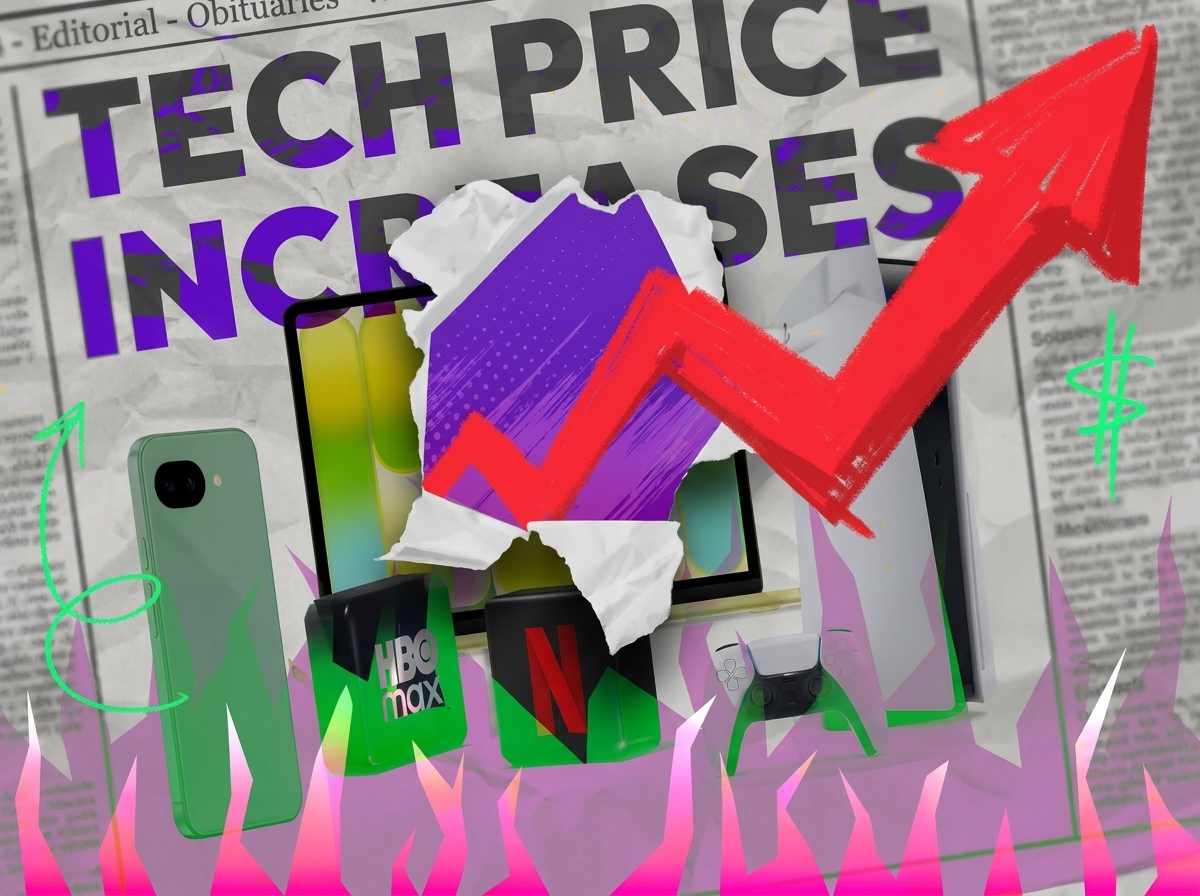
As the technology sector continues to evolve, consumers are facing significant price hikes in various devices due to a confluence of factors including inflation, tariffs, and demand from the burgeoning artificial intelligence (AI) industry. This price surge is now being referred to as "RAMageddon," highlighting the challenges associated with memory shortages that have impacted laptops, smartphones, and gaming consoles globally.
Recent analysis suggests that the memory supply constraints are likely to persist through 2026 and into 2027, with little expectation for significant reductions in prices until 2028. Jitesh Ubrani, a research manager with the International Data Corporation, noted that the AI industry's rapid growth is the primary driver of this tight memory market. "It's definitely the AI industry and the demand for AI rollouts that's driving this," Ubrani explained, emphasizing that the market dynamics would not ease dramatically for several years.
Impact on Consumer Electronics
The rise in tech prices varies significantly depending on the specific product configurations, as each device's components—such as processors, graphics cards, and RAM—can dramatically shift costs. A review of recent price changes indicates that consumers can expect to pay considerably more for essential tech devices:
- Laptops: Major brands such as Dell and HP have reported increases in the prices of laptops and PCs by as much as 30%. For instance, Dell's XPS 14 saw its starting price climb from $1,599.99 to $1,899.99.
- Smartphones: The price of devices like the Samsung Galaxy S26 jumped from $800 to $900, while Motorola's Moto G series has seen increases of approximately $100.
- Gaming Consoles: The average price of gaming consoles has surged by nearly 33%, with notable price hikes for the PlayStation 5, which increased from $499.99 to $649.99.
Consumers are not just concerned about higher upfront costs; they are also increasingly aware of the longer-term implications of AI’s influence on consumer pricing. According to Tinglong Dai, a professor at Johns Hopkins University, rising tech costs could precipitate a significant consumer backlash against the AI industry. "People may not care about memory supply chains in the abstract, but they do care when laptops, phones, and gaming PCs get more expensive," he stated.
Forecast and Consumer Sentiment
Supply chain experts are skeptical that tech prices will revert to pre-crisis levels, particularly as companies tend to be quicker to raise prices in response to increasing costs while being slower to reduce them. Ubrani remarked, "Component shortages do get resolved eventually... but it will likely take some time for those price declines to materialize into lower consumer prices."
Dai added that while consumers might find some new devices with enhanced specs at similar prices, significant markdowns on laptops, smartphones, or other tech are unlikely.
- Gaming Consoles: Increased by an average of 32.77%
- Phone Prices: Rose approximately 23.27%
- Laptop Prices: Increased around 25.27%
Streaming Services and Broader Trends
In addition to rising hardware costs, streaming apps have also seen price bumps, with services like Netflix and Amazon Prime introducing higher subscription fees in 2026. This broader increase across multiple platforms further compounds consumer concerns regarding the growing cost of technology and entertainment in tandem with an inflationary economy.
Conclusion
The realities of the tech market indicate that the AI industry is making a significant mark on product pricing, with consumers caught in the crosshairs. As businesses navigate this evolving landscape, it remains to be seen how they will respond to potential consumer pushback against increasing costs and whether regulatory actions will follow.
Overall, while supply chains may eventually stabilize, the implications of the AI-driven demand will likely linger, reshaping how consumers view their tech investments in the future.
Popular news
New York has declared a disaster emergency over rising measles cases, especially among under-immunized populations, with 108 confirmed cases.




Subscribe to
our news
Get the most important updates and top stories in your inbox.