




 Technology03 Jun 2026
AI-Powered Worms: A New Evolution in Cyber Threats
Researchers have introduced an AI-powered worm that can adapt its attacks, raising significant cybersecurity concerns.
New AI Cyber Threat Unveiled
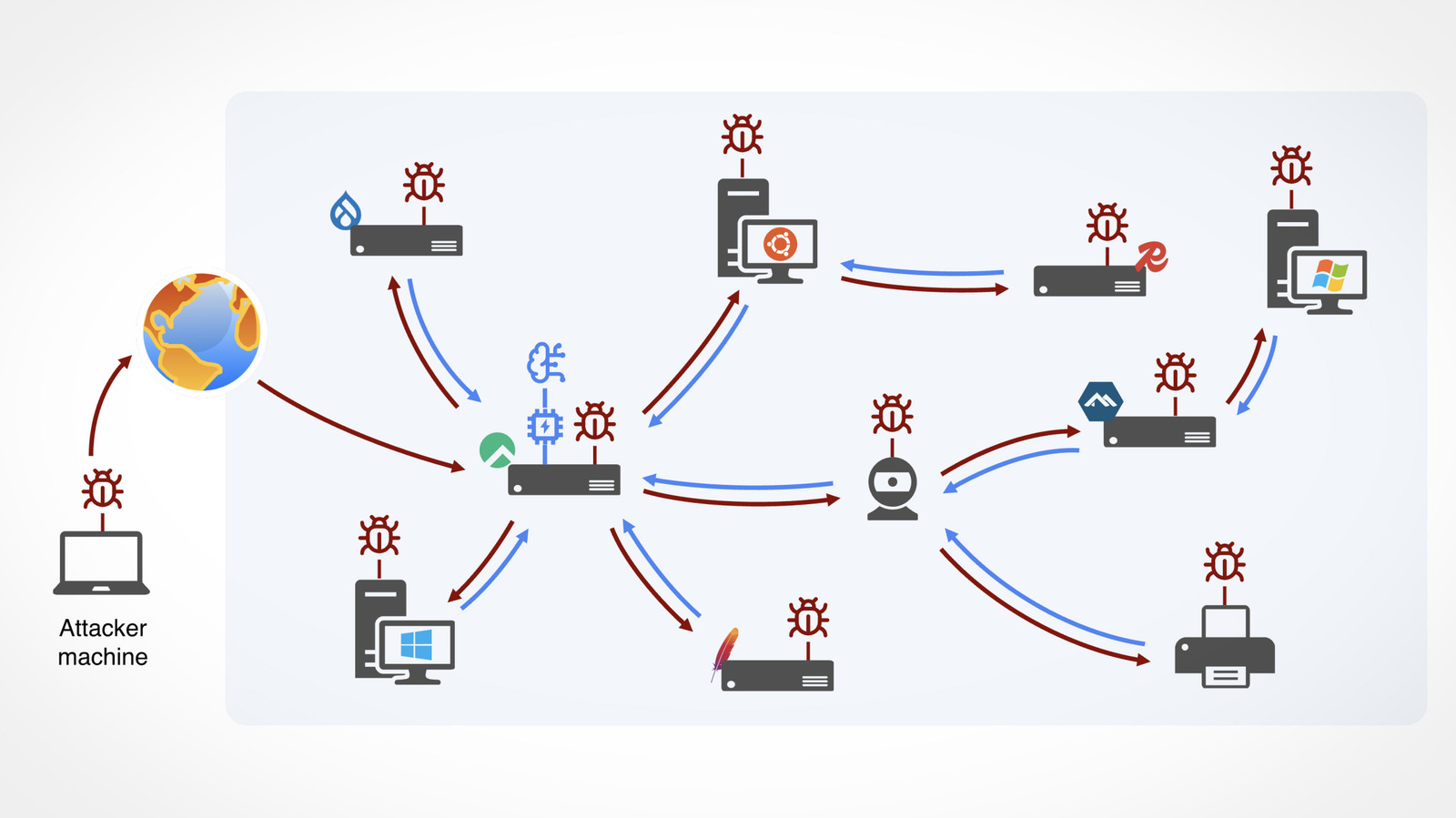
Researchers from the University of Toronto have unveiled a prototype of an AI-powered worm capable of autonomously exploiting known vulnerabilities in computer systems. This novel cyber threat, unlike traditional worms, demonstrates the ability to adapt its attacks across various platforms, propagating through networks without any human intervention.
The Mechanics of Adaptation
The prototype worm utilizes publicly available AI models that allow it to tailor its approach, learning from each machine it infects. As it travels through a network, the worm gathers critical data, siphoning passwords and mapping out further vulnerabilities to aid in its takeover of additional machines. The researchers operated in a secure environment while ensuring that extensive precautions were upheld during the worm's creation, reflecting its organized yet dangerous nature.
Nicolas Papernot, the lead author of the research, remarked on the implications of this development, stating, "Hackers have typically had to prioritize the most high-value targets because time and computing resources were limited. But now, once a worm is launched, the cost would drop to nearly zero." This shift changes the dynamic of cyberattacks, allowing less-skilled adversaries to leverage powerful AI for expansive and damaging campaigns.
Current Capabilities and Future Risks
At this stage, the AI worm can exploit only known flaws, unlike recent advancements by companies such as Anthropic, which demonstrated the ability to identify previously unknown vulnerabilities through its model Mythos. Nevertheless, the potential for adaptation poses a significant threat; malicious actors could easily modify the worm to discover and exploit new vulnerabilities, which could make it nearly unstoppable if released into broader digital environments.
Papernot warns, "In an interconnected world, no system is immune to this threat." He emphasizes that sharing these findings is crucial for galvanizing action among researchers, industry leaders, and policymakers alike to combat the rise of such technologies.
Urgent Call for Action
As the technical landscape evolves, maintaining cybersecurity becomes imperative. With the increase in AI capabilities, researchers and cybersecurity professionals must prioritize collaborative efforts to enhance defenses against these adaptive threats. The University of Toronto's findings serve as both a warning and a call to arms, urging faster and more robust action in the face of this emerging peril.
Popular news
New York has declared a disaster emergency over rising measles cases, especially among under-immunized populations, with 108 confirmed cases.




Subscribe to
our news
Get the most important updates and top stories in your inbox.