




 Business24 May 2026
Alabama Schools and Toyota Bridge Skilled Labor Gap Amid AI Concerns
Huntsville's new Inditech program trains students for high-paying, automation-resistant jobs, addressing a critical skilled labor shortage.
Addressing the Skilled Labor Shortage in America
In the face of growing automation, a skilled labor shortage looms over the United States, particularly in the blue-collar sectors. The Huntsville Center for Technology (HCT) in Alabama is taking proactive steps to bridge this gap, equipping high school students with essential skills for careers in industrial maintenance through its innovative "Inditech" program. This initiative, developed in collaboration with Toyota Alabama and backed by significant investment, aims to prepare the workforce for a future where skilled trades remain indispensable.
Huntsville Center for Technology: A New Era of Education
The Inditech Program
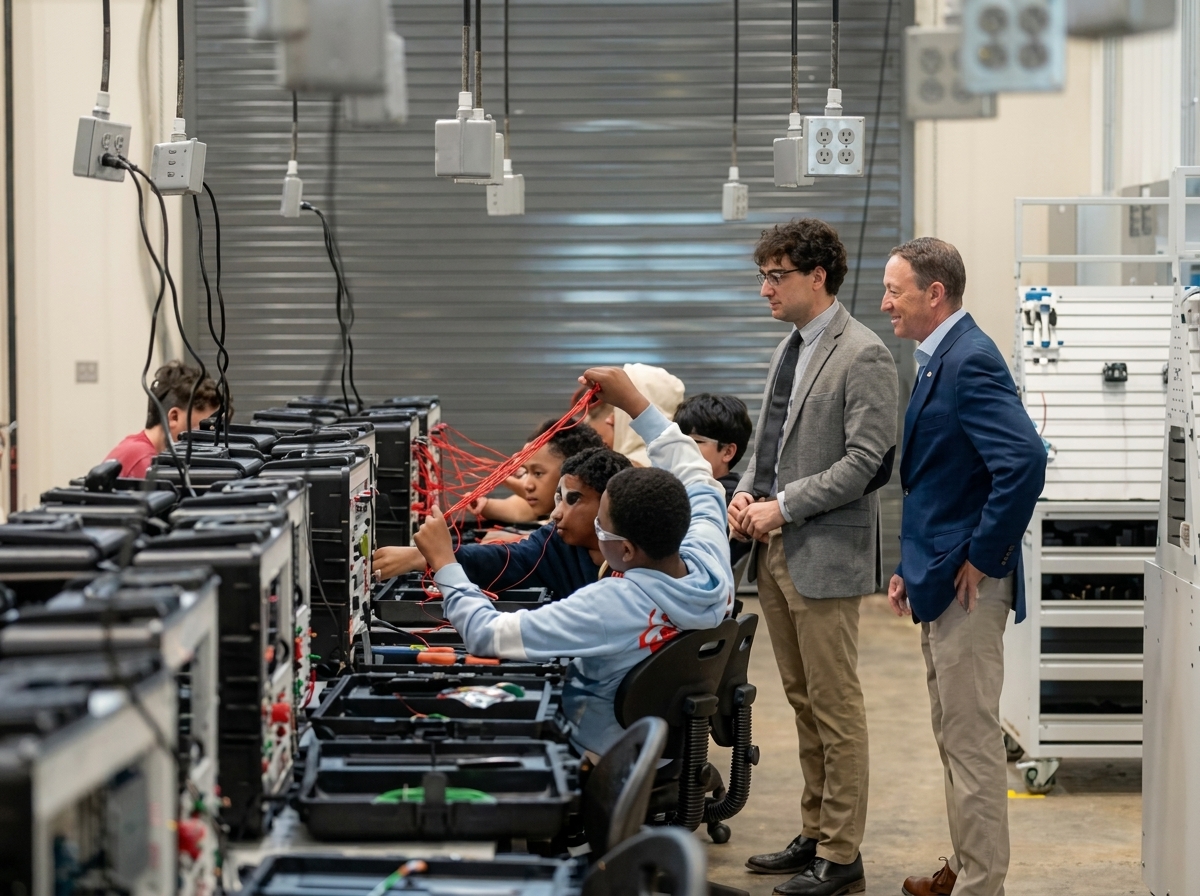
The newly built HCT features a $40 million facility designed to enhance vocational training for students. The school allows students to receive industry-standard training while continuing their high school education. As principal Zac McWhorter explained, the Inditech program emerged from direct consultations with Toyota, identifying the urgent need for industrial maintenance workers in the region.
With Toyota’s Huntsville facility playing a central role in their North American operations, this partnership is crucial for meeting the town's employment demands. The program not only prepares students for immediate job prospects but also aims to combat the broader challenge facing the nation: the urgent need for skilled laborers as many professionals head toward retirement.
A Response to Diminishing Trade Workers
According to estimates, the U.S. faces a potential annual loss of up to $1 trillion due to skilled labor shortages, with projections indicating a need for approximately 1.9 million manufacturing workers by 2033. This urgency is further amplified as technology companies, particularly in AI and data centers, seek to expand their workforce with qualified electricians and construction workers. Ford’s CEO Jim Farley highlighted the significant shortfall in workers critical to what he terms the "essential economy," stressing the importance of revitalizing these sectors.
Economic Realities: Wages and Opportunities
In spite of these challenges, the prospects for students entering skilled trades are looking bright. Instructors like Jack Crowley emphasize that HCT’s industrial maintenance training allows students to potentially earn over $40 an hour following a two-year degree and minimal experience. With many current blue-collar job candidates nearing retirement age, programs like Inditech are essential in fostering a new generation of skilled tradespeople—providing pathways to stable, high-paying jobs without the burden of significant student debt.
Collaborative Efforts: Beyond HCT
HCT is not alone in its mission to bolster the workforce. Organizations such as Lowe’s and BlackRock are also investing resources to enhance vocational training and attract talent to the skilled labor market. Additionally, influential figures such as Mike Rowe, the host of Dirty Jobs, are stepping in to offer scholarships aimed at encouraging young individuals to pursue careers in skilled trades.
Future-Ready Skills at the Alabama School of Cyber Technology and Engineering
Just a short distance from HCT, the Alabama School of Cyber Technology and Engineering (ASCTE) offers an equally compelling approach to preparing students for roles in the high-tech domain. Executive Director Matt Massey outlines how the school links education with hands-on experience in partnerships with major companies such as Raytheon and Deloitte, emphasizing the need to ready students for jobs that do not even exist yet. This forward-thinking curriculum aims to cultivate skills such as systems thinking and collaboration which are essential in a tech-driven future.
Conclusion: Preparing for Tomorrow's Workforce
HCT and ASCTE's programs reflect a growing recognition of the imperative to cultivate skilled workers amid prevailing concerns about automation. As industries evolve and certain white-collar roles face obsolescence due to AI, the opportunities in skilled trades present promising alternatives for today’s youth. The appeal of stable, lucrative careers is drawing many to these educational programs, ensuring that the future workforce is equipped for success in a changing economy, both in traditional trades and high-tech fields.
Popular news
Nuveen acquires Schroders, creating a $2.6 trillion asset management powerhouse.





Subscribe to
our news
Get the most important updates and top stories in your inbox.