




 Health01 Jun 2026
Alzheimer’s Blood Test in Midlife Could Aid Early Detection of Cognitive Decline
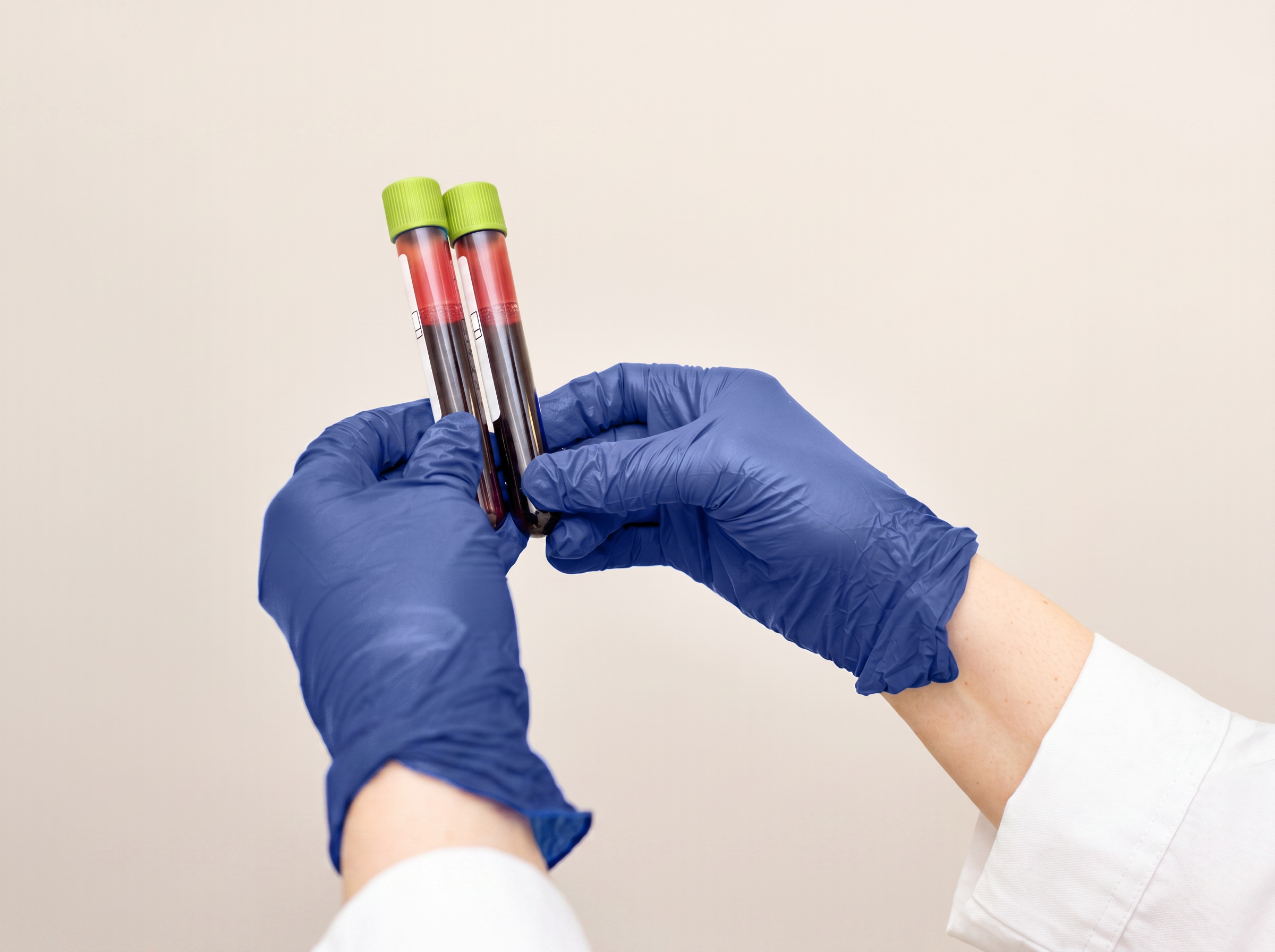
Blood tests measuring Alzheimer's biomarkers may help detect cognitive decline in midlife adults, paving the way for early intervention strategies.
Study Reveals Blood Tests May Detect Early Alzheimer’s Symptoms
Recent research published in The Lancet suggests that blood tests analyzing specific biomarkers related to Alzheimer’s disease could assist in detecting early cognitive decline among adults aged 53-69. This innovative approach could help in developing timely intervention strategies aimed at enhancing brain health and potentially delaying the onset of dementia.
The Role of Biomarkers in Alzheimer's Detection
As scientists delve deeper into the complexities surrounding Alzheimer’s disease, the focus has shifted towards identifying early indicators of cognitive impairment. With advancements in biomarker blood tests, healthcare providers are increasingly utilizing these tools to give a clearer picture of a patient’s risk for Alzheimer’s during its earliest stages.
The study, funded primarily by the National Institutes of Health (NIH), analyzed data from the U.S. Coronary Artery Risk Development in Young Adults (CARDIA) Study, examining approximately 1,300 participants with an average age of 61. Findings revealed that 6% of this group exhibited elevated levels of beta-amyloid and tau proteins—both recognized as hallmarks of Alzheimer's disease.
Findings on Cognitive Function and Risk of Decline
Participants with higher levels of these biomarkers demonstrated markedly poorer cognitive function. According to the research, those identified with high beta-amyloid and tau levels were two to four times more likely to experience rapid declines in verbal memory and processing speed over a five-year period.
Dr. Kristine Yaffe, a distinguished professor at the University of California, San Francisco (UCSF) and senior author of the study, stated, "If these biomarker blood tests are positive, they're associated with worse cognition and greater decline compared to those who tested negative."
Importance of Early Detection and Lifestyle Modifications
The implications of these findings extend beyond mere diagnosis. Researchers advocate that early detection through these blood tests empowers individuals to adopt lifestyle modifications that could decrease their risk of Alzheimer's and other forms of dementia. Regular monitoring and health adjustments could drastically influence the trajectory of cognitive health.
"Detecting these proteins early allows for lifestyle changes, and individuals can be closely monitored by their clinicians, enhancing preventative strategies against cognitive decline," explained Dr. Yaffe.
Understanding the Limits of Positive Biomarker Tests
While a positive result from a biomarker test can signal an increased risk for Alzheimer’s disease, it does not conclusively indicate an inevitable dementia diagnosis. Dr. Dung Trinh, Chief Medical Officer at the Healthy Brain Clinic, emphasizes the importance of understanding that a positive result does not predict future symptoms with certainty.
"It merely suggests that Alzheimer’s-related biology is present, which necessitates a proactive approach towards modifiable risk factors like hypertension, cholesterol levels, and lifestyle habits," Dr. Trinh explained.
Conclusion: A Path Towards Empowered Health Decisions
The advent of blood tests for Alzheimer’s biomarkers presents an opportunity for patients and healthcare providers to engage in more meaningful conversations regarding brain health. As the research field evolves, experts stress that the focus should remain on prevention and proactive management rather than panic about possible outcomes. These tests can facilitate a path toward a healthier, more informed approach to cognitive health as society grapples with the growing impact of dementia.
This ongoing exploration into early detection exemplifies the critical need to address Alzheimer’s disease before it manifests significantly, supporting the adage that prevention is better than cure.
Popular news
New York has declared a disaster emergency over rising measles cases, especially among under-immunized populations, with 108 confirmed cases.





Subscribe to
our news
Get the most important updates and top stories in your inbox.