




 Technology17 Apr 2026
Analysts Navigate Dangers of Spoofed Tankers in the Strait of Hormuz
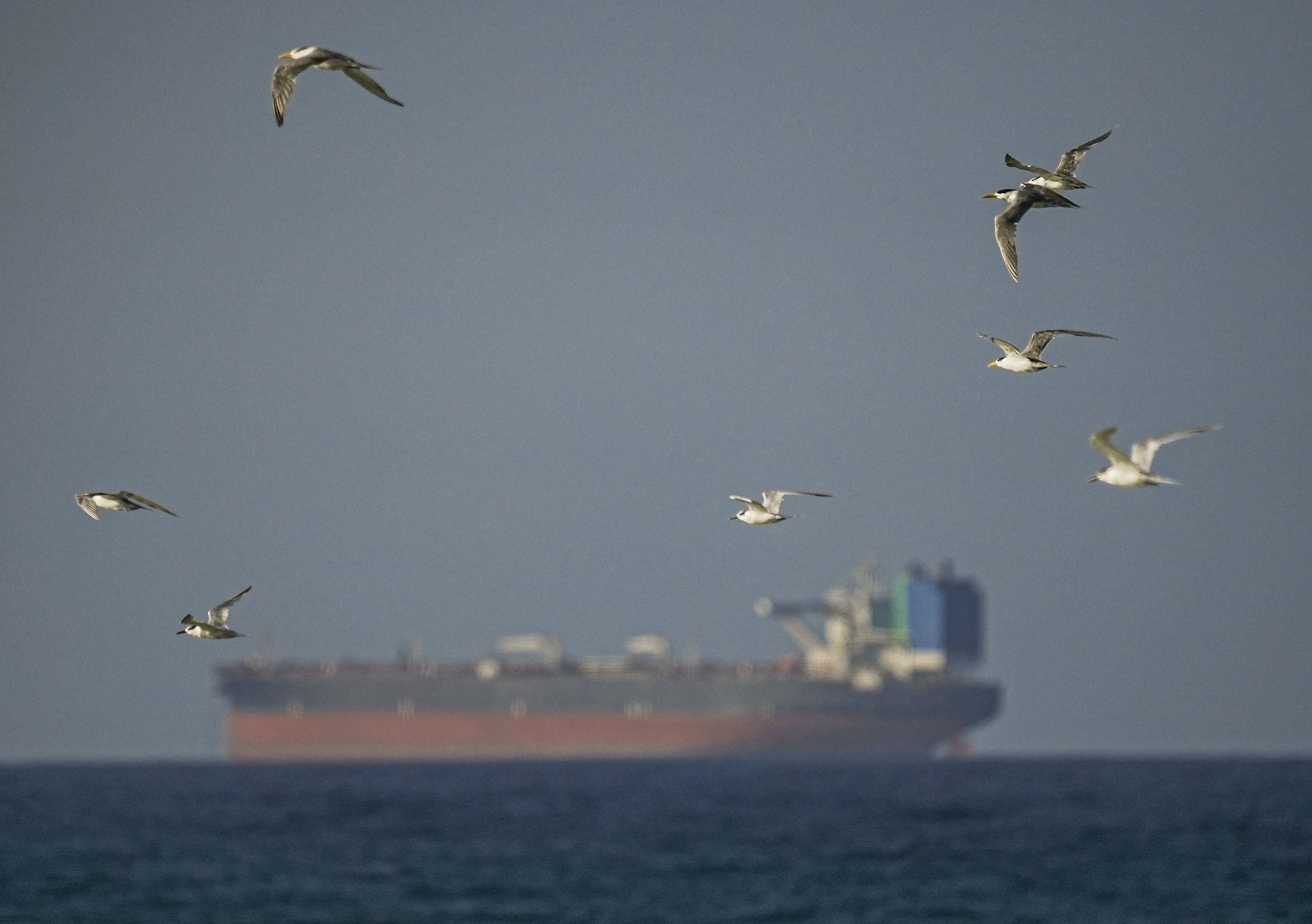
Disappearing vessels in the Strait of Hormuz are being tracked by analysts using advanced technologies amidst rising geopolitical tensions.
Increasing Maritime Disruptions in the Strait of Hormuz
The Strait of Hormuz, a critical chokepoint for global oil trade, is experiencing heightened disruptions as geopolitical tensions rise between Iran, the United States, and Israel. Analysts, led by Michelle Wiese Bockmann at Windward AI, are on the frontline, tracking a phenomenon that has become alarmingly common: ships turning off their transponders to engage in illicit activities.
The Challenge of Spoofed Signals
This tactic has been seen for years, often as a means to circumvent international sanctions, particularly those targeting Iranian oil exports. According to Wiese Bockmann, these so-called "shadow fleets" regularly switch off their vessel monitoring systems, which normally broadcast critical data such as names, locations, and IMO (International Maritime Organization) identifiers. With recent reports indicating that over half of the ships in the strategic waterway have had their signals jammed, the challenge for maritime analysts has intensified significantly.
Innovative Tracking Methods
To counter these deceptive practices, Bockmann and her team utilize an array of technologies. While traditional satellite imagery has formed the backbone of maritime monitoring, advancements are being made due to the recent limitations imposed by U.S. satellite firms on high-resolution images. Samir Madani, cofounder of TankerTrackers.com, has noted a shift towards older but reliable satellite data sources as well as partnerships with other Western suppliers to maintain visibility in the region.
Utilizing Advanced Technologies
Windward AI combines several technological sources to paint a comprehensive picture of maritime activity. The company employs:
- Electro-optical imagery to capture visible and near-infrared light data.
- Synthetic-aperture radar, which can operate in adverse weather conditions.
- Radio-frequency signals to receive data wirelessly.
These various inputs are integrated with extensive databases, including ship registries and even "human presence signals" from mobile devices on board, allowing analysts like Bockmann to make informed assessments about the real-time movements of vessels.
The Stakes of Accurate Tracking
The stakes in this maritime cat-and-mouse game are monumental. With approximately 20% of the world's petroleum passing through the Strait of Hormuz, any disruption can lead to severe implications for global oil markets. Moreover, misidentified vessels may collide or run aground, increasing the risk of disastrous oil spills that can have catastrophic environmental consequences.
Ongoing Commitment to Maritime Safety
In the wake of escalating military actions, like the recent US strikes against Iran, Bockmann has dedicated extended hours to track these elusive vessels. As she puts it, tracking these ships is akin to managing a group of unruly children, always evading capture.
By integrating historical data and even conducting manual sleuthing, she reveals new shipping routes being exploited for sanctioned oil transfers. Yet, despite her team's efforts, total visibility is still an elusive goal, particularly with Iranian vessels employing every deceptive tactic imaginable.
As the situation evolves, the demand for accurate maritime intelligence will only grow, highlighting the crucial work that analysts like Michelle Wiese Bockmann do to keep global shipping lanes—and the oil supply—secure and operating safely.
Popular news
A small plane crash while touring the Nazca Lines in Peru has resulted in 13 fatalities, including tourists and crew.


Subscribe to
our news
Get the most important updates and top stories in your inbox.