




 Technology18 Jun 2026
Ancient Plague Strikes Hunter-Gatherers in Siberia 5,500 Years Ago
5,500 years ago, a plague outbreak in Siberia killed hunter-gatherers, revealing early strains of Yersinia pestis. Discoveries challenge historical views.
The Discovery of Ancient Plague Outbreaks
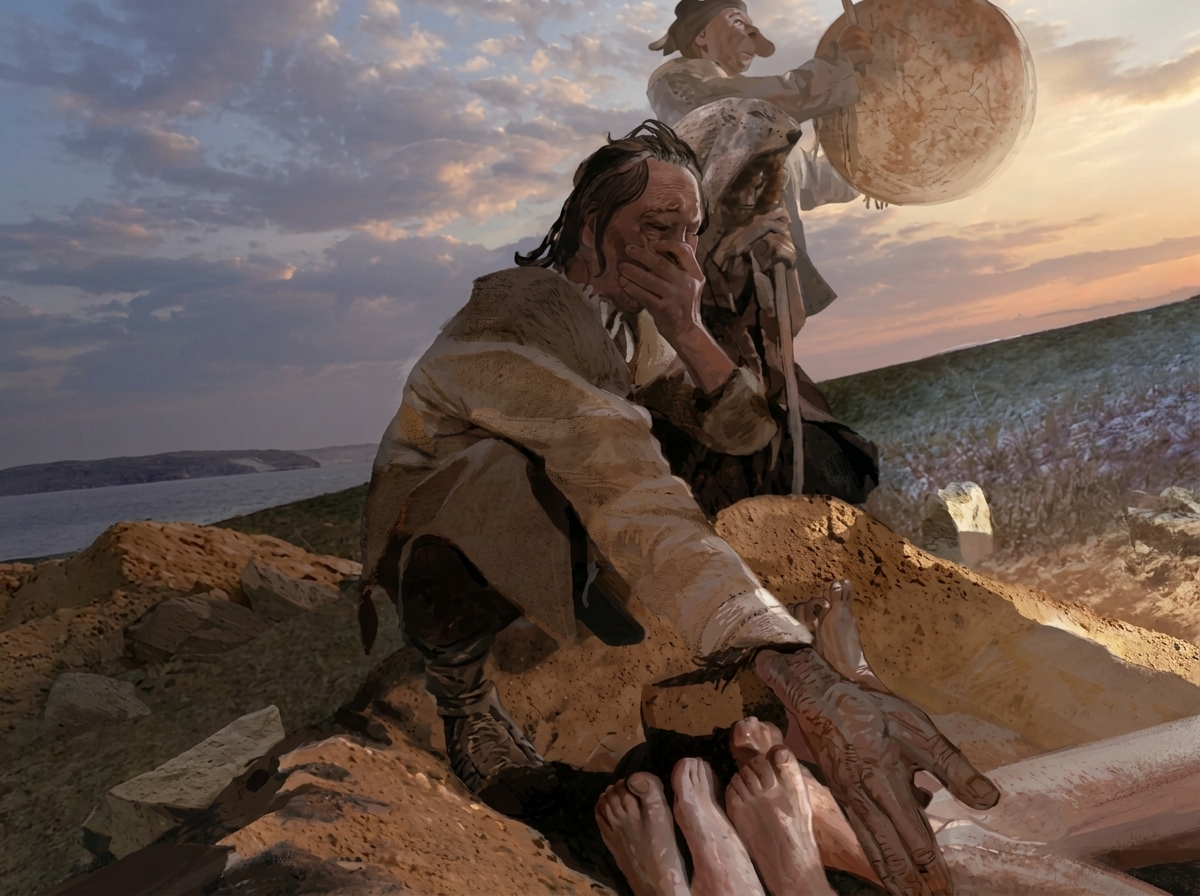
Researchers from the University of Oxford have made a groundbreaking discovery that sheds light on the history of plague outbreaks. Evidence indicates that a strain of the plague, tied to the bacteria Yersinia pestis, decimated hunter-gatherer communities in southeastern Siberia approximately 5,500 years ago. This discovery is significant as it marks the earliest known occurrence of plague among humans, predating the onset of agriculture and the rise of urban settlements.
Research Findings from Lake Baikal
The archaeological team, led by ancient DNA researcher Ruairidh Macleod, meticulously sequenced DNA from the teeth of individuals buried in four ancient cemeteries around Lake Baikal, Russia. Their work revealed that these human remains carried the oldest strain of Y. pestis ever recorded, providing crucial insights into the timeline of plague's impact on human populations.
Shifting Historical Perspectives
Historically, scientists have posited two main theories regarding the early strains of the plague. The prevailing belief was that these early forms lacked lethal characteristics that would make them dangerous, and that the plague as we recognize it began only after the establishment of agricultural societies with high population densities, where rats and domestic animals would facilitate its spread.
New Insights into Disease Evolution
This latest research challenges those assumptions by demonstrating that Y. pestis was capable of infecting and killing hunter-gatherers long before the advent of farming. Such findings suggest a nuanced history of human diseases, indicating that the threat posed by plague emerged much earlier than previously thought. The implications of this research extend beyond Siberia, as it requires a reevaluation of how early human populations interacted with pathogens as they transitioned from mobile hunter-gatherer lifestyles to more settled forms of living.
Conclusion: A New Chapter in Plague History
As the researchers continue to analyze the genetic material from these ancient remains, a broader understanding of the evolution of the plague and its impact on human societies may emerge. The findings from southeastern Siberia not only illustrate the ancient roots of one of history's deadliest diseases but also highlight the need for continuous exploration into the interrelationship between humans and infectious diseases throughout history.
Popular news
A small plane crash while touring the Nazca Lines in Peru has resulted in 13 fatalities, including tourists and crew.




Subscribe to
our news
Get the most important updates and top stories in your inbox.