




 Business24 Apr 2026
Asia Turns to Coal Amid Iran Crisis, But Nuclear Power is the Future
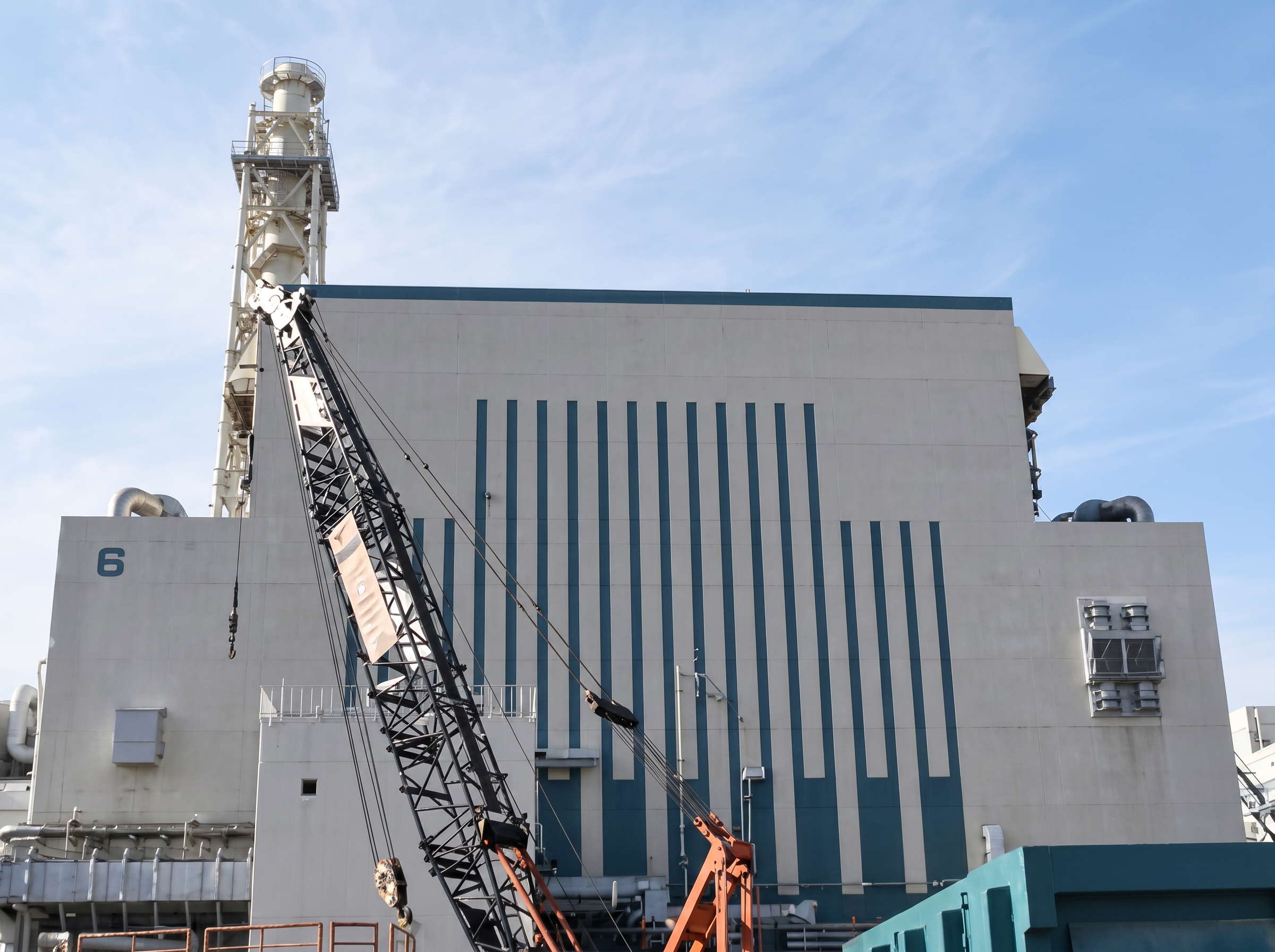
As the Iran crisis disrupts energy supplies, Asian nations turn to coal, yet nuclear power emerges as the ultimate solution for energy resilience.
Energy Crisis Triggered by Strait of Hormuz Closure
The ongoing crisis stemming from the closure of the Strait of Hormuz has sent shockwaves across Asia, where energy security is increasingly at risk. The waterway, crucial for transporting oil and gas, faced a shutdown that lasted nearly two months, prompting Asian countries to urgently recalibrate their energy strategies. Last year, nearly 90% of oil and gas shipments through this strait were destined for Asia, making its closure a significant concern for policymakers.
Coal as a Stopgap for Energy Supply
In response to the disrupted supply chains, nations including the Philippines, Japan, Thailand, and South Korea have turned to coal as an immediate solution to stabilize power supplies. Despite having made prior commitments to reduce emissions, these countries are temporarily ramping up coal usage to offset the volatility experienced in oil and natural gas markets.
For instance, the Philippines is reconsidering its energy policies, while Japan has lifted certain restrictions on coal power plants to address the immediate demand. Similarly, Thailand and South Korea have delayed coal plant shutdowns to cope with the ongoing energy crisis. With coal exporters like Indonesia increasing their production, the region is seeing a surge in coal utilization just as prices are rising due to geopolitical tensions.
Short-Term Strategy vs. Long-Term Plans
While the response of pivoting to coal may appear to be a step back in meeting climate goals, experts argue that the true long-term strategy for Asia lies in nuclear energy. Recognized as a reliable and low-carbon alternative, nuclear power is seen as essential for creating a stable energy supply.
Governments face challenges in moving away from fossil fuels, as they are deeply entrenched in the energy infrastructure of Asian economies. The reliance on fossil fuels not only poses environmental concerns but also represents a strategic vulnerability amid geopolitical instability.
Nuclear Energy: A Sustainable Solution
The Case for Nuclear in East Asia
While renewables such as solar and wind will continue to gain traction, they alone cannot compensate for the reliability needed in baseload power generation, where nuclear energy excels. Notably, the closing of the Strait of Hormuz has reinforced the argument for nuclear as a safeguard against future fossil fuel supply disruptions.
Asian governments must confront various obstacles to expedite the transition to nuclear energy, particularly in developing nations where technical expertise and financing options may be limited. Establishing a robust nuclear regulatory framework and fostering public trust in nuclear safety are critical steps that decision-makers must prioritize.
Enhancing Energy Collaboration and Infrastructure
To facilitate a cleaner energy transition, Asian governments should adopt a multi-faceted approach, focusing on:
- Strengthening regional cooperation to foster energy trade, such as through initiatives like the ASEAN Power Grid, which allows for cross-border electricity distribution.
- Investing in modernized electrical infrastructure to support new energy projects.
- Creating a favorable policy environment to attract long-term investments in clean energy technologies.
Governments are also encouraged to enhance public relations campaigns to mitigate fears surrounding nuclear energy, underscoring its necessity for energy security. Effective public engagement can help secure citizen support, avoiding pitfalls similar to those experienced in countries like Germany.
Conclusion
While the Iranian conflict has led to a temporary reversion to fossil fuels, the long-term trajectory for East Asia is likely focused on nuclear energy solutions. The urgent need for a diversified and resilient energy mix is evident, reinforcing the notion that nuclear power will play a central role in the region’s energy landscape moving forward. As discussions around energy security intensify, it is crucial that Asian nations prioritize long-term stability over short-term fixes, paving the way for a sustainable energy future.
Popular news
A small plane crash while touring the Nazca Lines in Peru has resulted in 13 fatalities, including tourists and crew.




Subscribe to
our news
Get the most important updates and top stories in your inbox.