




 World14 Apr 2026
Asia’s Stock Markets Surge as Oil Prices Decline Amid US-Iran Negotiation Hopes
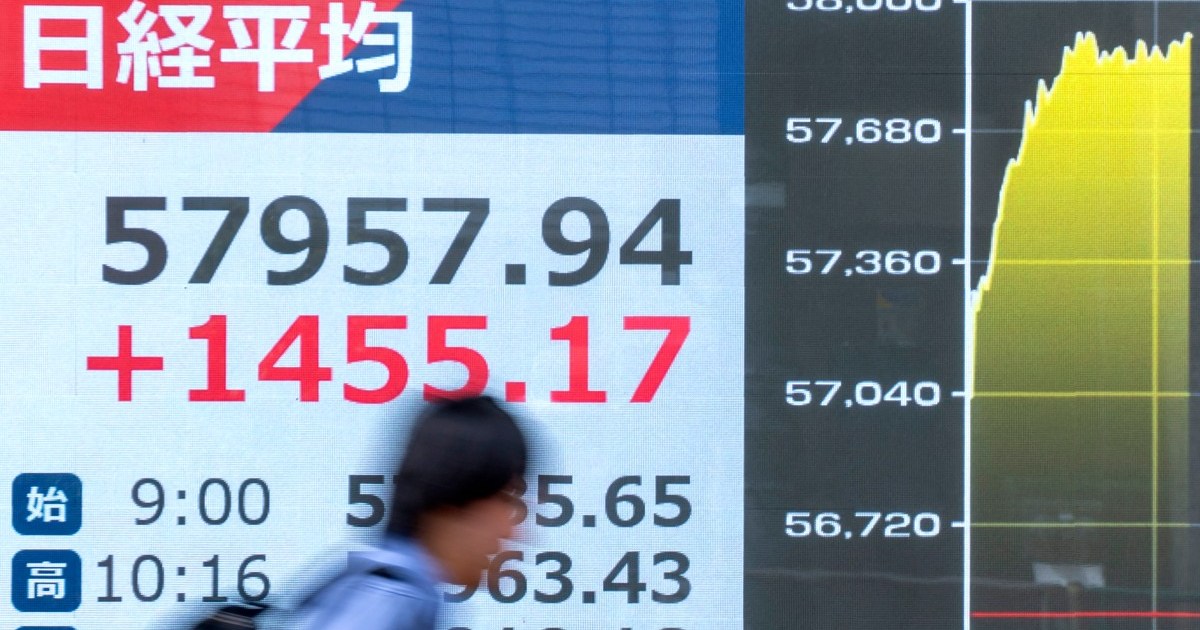
Asian stock markets surged on Tuesday due to hopes for US-Iran talks, while oil prices dipped significantly amid geopolitical tensions.
Asian Markets Rally
Asian financial markets experienced a notable surge on Tuesday, buoyed by renewed optimism surrounding discussions between the United States and Iran. Japanese stocks, led by the Nikkei 225, rose 2.5%, while South Korea's KOSPI climbed 3.7%. The positive sentiment is largely attributed to comments made by US President Donald Trump, who indicated that Iranian officials have expressed a desire to negotiate a potential deal.
Positive Market Movements
In a statement from the White House, Trump remarked, "We’ve been called by the other side, and they would like to make a deal very badly." These comments ignited hopes for a resolution to ongoing tensions between the two nations, stimulating market activity across Asia. Other markets followed suit, with Singapore's Straits Times Index and Hong Kong's Hang Seng Index also notching gains of approximately 0.6% and 0.4%, respectively.
The favorable trading conditions came in the wake of a 1% increase in the S&P 500 during the previous trading session in the US, which further fueled investor confidence in regional stocks.
Oil Prices Plummet
Amidst the positive news for stocks, oil prices took a dip, with Brent crude dropping nearly 1.5% to fall below $98 a barrel. This decline is particularly striking given prior concerns over a potential US naval blockade of Iranian ports following Trump's recent remarks. These tensions have already complicated the global energy landscape, with analysts warning that such a blockade could exacerbate existing energy shortages.
The recent threat, which involved restricting access to the vital Strait of Hormuz – a key channel for approximately one-fifth of global oil and gas shipping – had previously propelled Brent crude prices above $103 per barrel. However, the US military later clarified that the blockade would solely apply to vessels navigating in and out of Iranian ports, which helped ease some immediate market fears.
Impact of Increased Military Presence
Since the onset of the conflict on February 28, Iranian actions have significantly disrupted maritime traffic through the Strait of Hormuz, with only 21 vessels reported moving through the strait on a recent Sunday, compared to an average of 130 daily trips before the escalation of hostilities. This drop in shipping activity has raised alarms about energy supply constraints, creating volatile conditions in the global market.
Despite the decrease in oil prices, the overall positive sentiment in Asian stock markets suggests a cautiously optimistic outlook as both investors and analysts await further developments in US-Iran negotiations.
Popular news
A small plane crash while touring the Nazca Lines in Peru has resulted in 13 fatalities, including tourists and crew.





Subscribe to
our news
Get the most important updates and top stories in your inbox.