




 Business04 May 2026
Big Money Rallies Behind Autonomous Vehicles with Waymo Leading the Charge
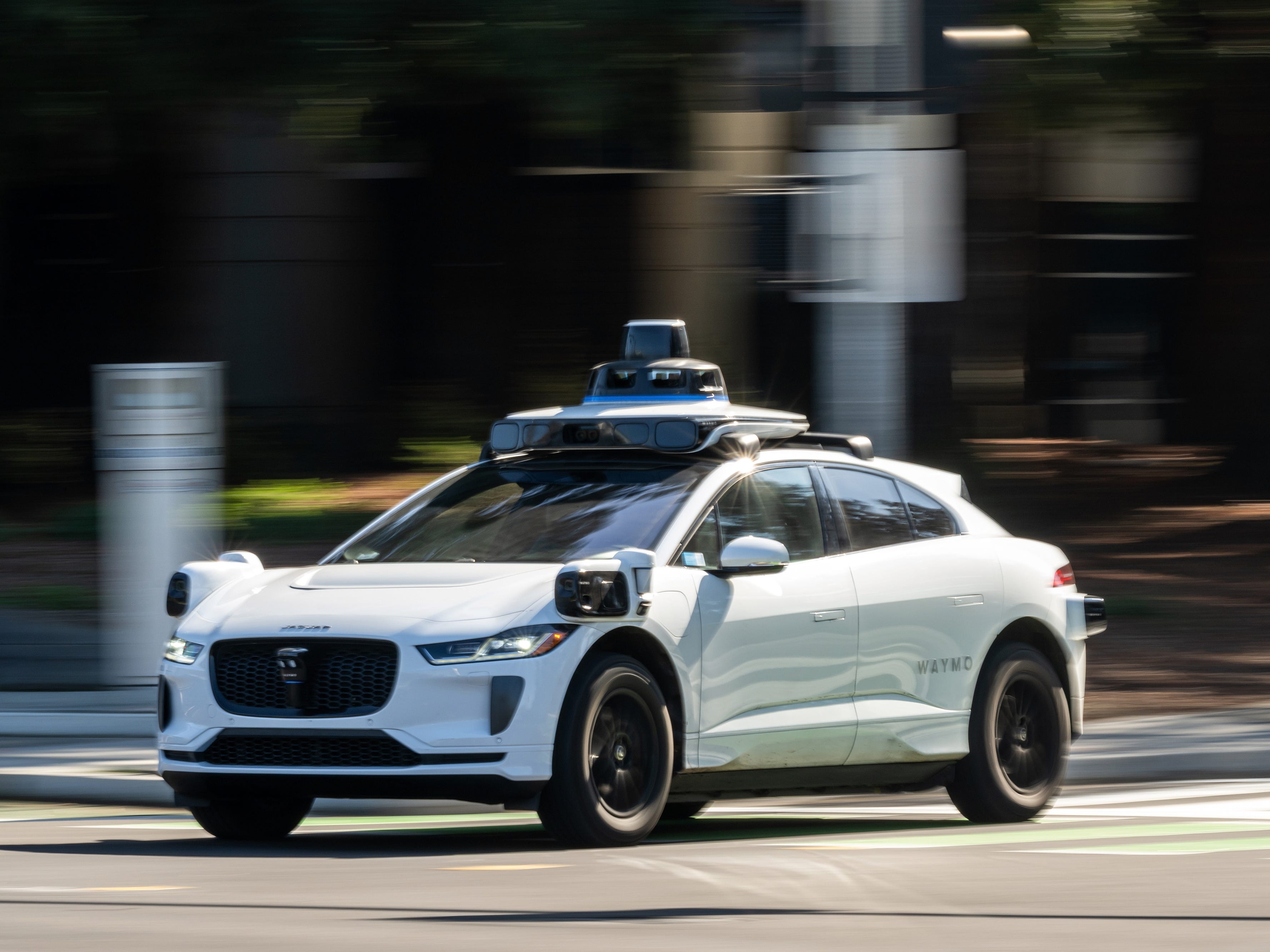
2026 marks a significant shift in autonomous vehicle funding, with Waymo dominating nearly $19 billion in investments this year.
Record Venture Capital Funding in the Autonomous Vehicle Sector
The autonomous vehicle (AV) industry experienced a remarkable surge in venture capital funding in 2026, reaching nearly $19 billion globally. This influx of capital, the highest seen in over a decade, has underscored a significant shift within the sector, with an overwhelming majority funneled toward a select few companies, notably Alphabet's Waymo, which raised a staggering $16 billion just in February.
According to data from PitchBook, this $19 billion figure is not only arresting but reveals a maturation phase within the AV industry, as a diminished number of competitors vie for investor attention.
A Closer Look at Funding Allocations
The capital from 2026 diverges dramatically from past funding trends. Historically, prior to this year, the peak for VC funding dates back to 2021, when less than $9 billion was raised across 94 deals. In contrast, just a handful of companies are now receiving substantial financial backing, leading some analysts to label this trend as indicative of an evolving market landscape.
The majority of the investment activity this year revolves around Waymo, which has consistently been at the forefront of autonomous driving technology. Notably, it significantly outpaced other players in the field, with the remaining funding distributed among just ten other deals. Prominent among these is UK-based self-driving startup Wayve, securing $1.5 billion, and Waabi, an autonomous trucking enterprise venturing into robotaxi services, which raised $750 million.
Implications of the Funding Landscape
Experts suggest that this concentrated investment strategy is a deliberate response from wary investors who have learned from previous cycles. Hugh Nguyen, a KPMG partner specializing in mergers and acquisitions in the automobility sector, remarked, "Investors learned from the 2019 capital cycle that spreading bets across companies chasing similar milestones carries risk, so the concentration we see today reflects discipline as much as it does confidence."
This perspective is further fortified by insights from Ro Gupta, CEO of Toyota's Woven Capital. He noted that this pattern aligns with typical industrial maturation cycles, in which a few robust players eventually dominate the market, securing funding to address secondary issues related to fleet management and operational efficiencies.
Looking Ahead
The trend indicates a potential phase of consolidation as the AV industry continues to forge its path toward mainstream acceptance. While innovation remains vital, the current funding landscape suggests that investors are prioritizing stability and proven solutions over the multitude of startups eager to enter the market.
As 2026 progresses, further developments in the autonomous vehicle sector will likely reveal the long-term impact of this concentrated funding strategy, paving the way for an industry defined by a small yet powerful group of major players.
Popular news
A small plane crash while touring the Nazca Lines in Peru has resulted in 13 fatalities, including tourists and crew.





Subscribe to
our news
Get the most important updates and top stories in your inbox.