




 Technology27 Apr 2026
Brain Implant for Depression to Begin Human Trials Following FDA Approval
A new brain implant is ready for human testing, promising hope for severe depression treatment, pending FDA approval.
Introduction
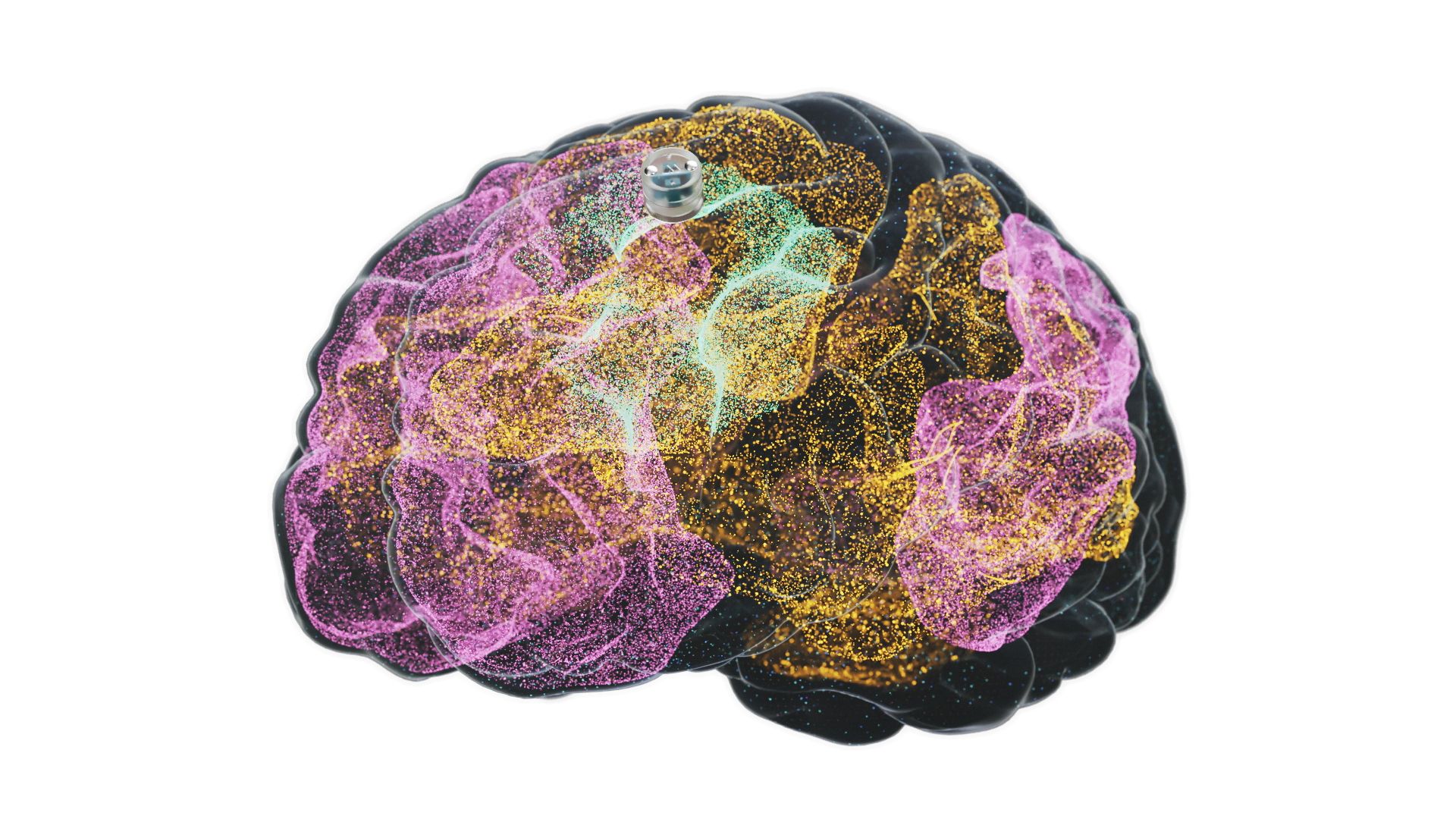
Motif Neurotech has received the green light from the U.S. Food and Drug Administration (FDA) to begin human trials for an innovative brain implant designed to target severe depression. This groundbreaking device, roughly the size of a blueberry, is positioned just above the brain's protective membrane, where it stimulates the underactive central executive network. This stimulation aims to promote neuroplasticity, offering new hope for patients who have not found relief through traditional medication.
Device Functionality and Treatment Method
The implant, which the Houston-based startup plans to deploy in outpatient procedures, uses advanced magnetoelectric technology. Patients will wear a specially designed cap that delivers a tailored stimulation regimen to the implant while they go about their daily lives. According to Jacob Robinson, Motif’s cofounder and CEO, regular electrical stimulation is intended to enhance connectivity within the central executive network, thereby improving cognitive function in individuals suffering from depression.
The Clinical Study
The initial clinical study aims to assess both the safety of the implant and its effectiveness in minimizing symptoms of depression among about ten participants over a 12-month period. During this time, researchers will also evaluate improvements in overall quality of life, levels of anxiety, and cognitive functions. Robinson anticipates that patients might start showing signs of improvement within the first ten days of therapy, transitioning to using the cap less frequently as treatment continues.
Future Prospects
As part of its future developments, Motif Neurotech envisions a device that can monitor and record brain activity over time, providing healthcare professionals with objective data to personalize treatment further. This could be a breakthrough in psychiatric treatment, where objective measures of patients' mental states have been largely unavailable. Such advancements may allow for a more tailored approach to managing conditions like depression, which affects millions.
Background and Context
Electrical stimulation techniques for treating depression have historical precedence, dating back to the early 20th century with electroconvulsive therapy (ECT). The FDA has previously approved other methods like transcranial magnetic stimulation (TMS), which, while effective, requires extensive treatment sessions. The push towards developing user-friendly and less invasive cerebral improvement options reflects a growing recognition of the need for effective solutions for treatment-resistant depression.
In 2021, research indicated that nearly 9 million adults in the U.S. were receiving treatment for major depressive disorder, with around 3 million classified as experiencing treatment-resistant depression.
Conclusion
Motif Neurotech’s groundbreaking approach could represent a turning point in the treatment of severe depression, offering a potential lifeline to countless individuals struggling to control their symptoms. As the trial phases commence, the eyes of the scientific community will be on the results, hoping for successful outcomes that will pave the way for broader applications in neurotechnology and mental health treatment.
Popular news
A small plane crash while touring the Nazca Lines in Peru has resulted in 13 fatalities, including tourists and crew.





Subscribe to
our news
Get the most important updates and top stories in your inbox.