





 Business30 Apr 2026
Brent Crude Oil Prices Surge Amid U.S.-Iran Tensions
Brent crude hits a four-year high, adjusting down as U.S.-Iran tensions escalate. Analysts warn of supply disruptions following military threats.
Brent Crude Oil Prices Surge Amid U.S.-Iran Tensions
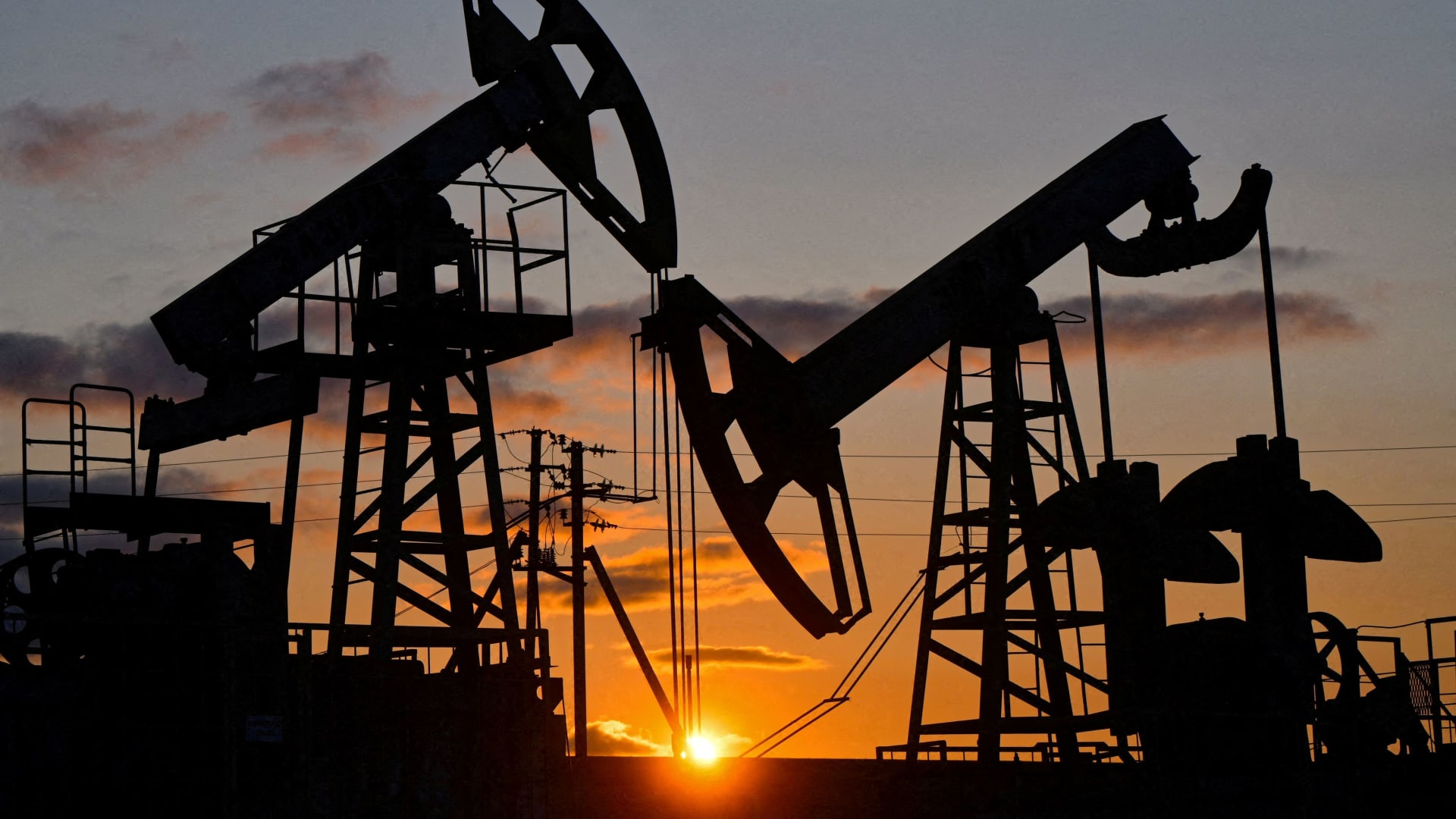
Brent crude oil prices skyrocketed to a four-year high of $126 per barrel on Thursday, driven by intensifying concerns regarding potential military action by the United States against Iran. As geopolitical tensions mounted, prices saw a slight retraction, settling at $121.56 per barrel by the afternoon, still marking a 3% increase for the trading session.
Response to Military Briefings
The surge followed reports, initially detailed by Axios, that the U.S. Central Command was set to present options for military action against Iran to President Donald Trump. These developments have raised alarm over the possibility of renewed armed conflict, further complicating negotiations surrounding Iran's nuclear program.
According to previous statements by Trump, he rejected Tehran's proposal to reopen the Strait of Hormuz, maintaining that the U.S.-imposed blockade on Iranian oil exports will persist until a comprehensive nuclear deal is reached. The ongoing blockage and conflict are hindering oil flows, prompting fears of supply disruptions.
Market Implications and Price Predictions
The spike represents a continuation of Brent's remarkable climb, having gained approximately 60% since the onset of the U.S. and Israeli-led military activity against Iran began on February 28. Analysts from Goldman Sachs reported an alarming drop in oil exports through the strategic Strait of Hormuz, which now account for only 4% of their normal levels.
Warren Patterson, head of commodities strategy at ING, pointed out the market's shift from over-optimism to the sobering reality of supply disruptions in the Persian Gulf. He stated, "The longer this disruption persists, the less the market can rely on inventory, and the greater the need for further demand destruction. The only way to drive this would be through higher oil prices."
Strategic Responses and Market Dynamics
In a response that underscores his hardline stance, Trump recently posted on Truth Social, warning Iran to "get smart soon," in a post characterized by an AI-generated image portraying aggressive imagery. As the conflict drags on, Bill Perkins, chief investment officer at Skylar Capital Management, commented that oil markets are struggling with a mix of physical disruptions, geopolitical uncertainties, and investor sentiment. He noted, "We're kind of far apart from a deal, and maybe hostilities are needed to open up the Strait of Hormuz."
Despite having strategic reserves and existing crude in transit aiding in pricing stability, increasing pressure on product markets is evident with notable hikes in diesel prices. If disruptions continue, Perkins forecasts that oil could soar to between $140 and $150 a barrel, although such elevated prices would ultimately lead to reduced demand.
Looking Ahead
Goldman Sachs has also identified potential downside risks, estimating that global oil demand in April may fall by approximately 3.6 million barrels per day compared to February, particularly affecting jet fuel and petrochemical feedstocks. As the situation remains fluid, the oil market faces critical moments ahead that will be closely monitored by traders and analysts alike.
Popular news
A small plane crash while touring the Nazca Lines in Peru has resulted in 13 fatalities, including tourists and crew.




Subscribe to
our news
Get the most important updates and top stories in your inbox.
