




 Business29 Apr 2026
China Secures Another Currency Victory Over the U.S. Dollar in Trade
China's use of the renminbi in global trade grows as BHP agrees to pricing in yuan, signaling a deeper shift away from the U.S. dollar.
China Expands Renminbi Use in Iron Ore Trade
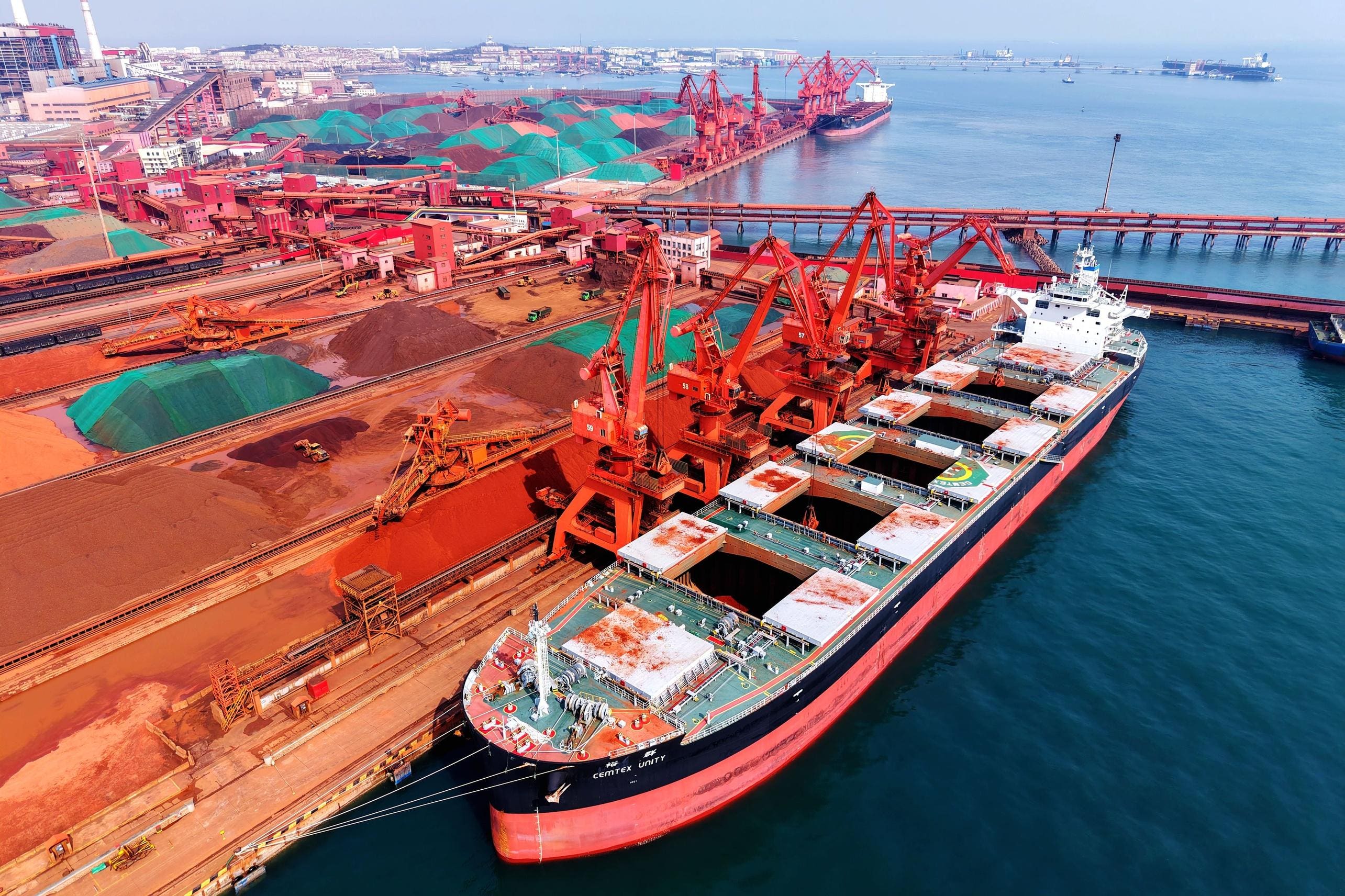
In a notable shift in global commodity trading practices, China has made strides in enhancing the role of its currency, the renminbi, particularly in iron ore transactions. After a protracted seven-month negotiation with BHP, Australia's largest mining company, a new agreement was established that allows for some shipments to be priced in renminbi, thus reducing reliance on the U.S. dollar.
The Background of the Shift
Historically, all iron ore sold by BHP to China has been priced in the U.S. dollar. However, the recent agreement signifies a changing landscape, where a portion of these transactions will now be settled in Chinese currency. This decision mirrors China’s broader strategy aimed at decreasing dollar dependency in international trade, particularly in commodities where it is the leading consumer.
The move is not an isolated incident but part of a long-term effort by China to establish greater control over commodity pricing and trade dynamics. This initiative resonates with other efforts to de-dollarize, including increased offshore borrowing in renminbi noted by several international banks.
The Pressure from China’s Commodities Purchasing Agency
The issue between BHP and China escalated as the China Mineral Resources Group (CMRG), a new state-backed agency, sought to gain a foothold in pricing negotiations. BHP initially pushed back against pricing changes; however, pressure from CMRG intensified, culminating in product bans and a firm stand-off.
Key Developments in Negotiations
In early April, a breakthrough occurred when BHP's outgoing CEO Mike Henry and his successor met with Chinese officials in Beijing. This encounter paved the way for a renegotiated sales agreement that would implement a framework based on a new index for pricing iron ore. Moreover, BHP has agreed to provide a 1.8% discount on the iron ore supplied to Chinese steel mills, sweetening the deal further.
The CMRG is expected to play a pivotal role in future commodity contracts, leveraging its influence to secure terms more favorable to Chinese enterprises, which could lead to further pricing changes in other sectors, such as oil and natural gas.
Future Implications for Global Trade
With this new agreement, other Australian miners, including Fortescue and Rio Tinto, who have already started using Chinese pricing systems, may follow suit or face similar pressures. Moreover, the introduction of the Beijing Iron Ore Port Spot Price Index as a valid pricing measure might prompt other countries to reassess their approaches to trade with China, slowly moving toward pricing commodities in renminbi as contracts mature.
This development could mark a crucial turning point in international trade relations, with China's influence expected to extend further as it entrenches the renminbi in more global transaction frameworks and contracts.
Popular news
A small plane crash while touring the Nazca Lines in Peru has resulted in 13 fatalities, including tourists and crew.





Subscribe to
our news
Get the most important updates and top stories in your inbox.