



 Technology27 May 2026
China Tightens Control on AI Talent Amid Global Demand
China enforces travel restrictions for AI experts, aiming to retain talent amidst global competition.
Stricter Travel Restrictions for AI Professionals
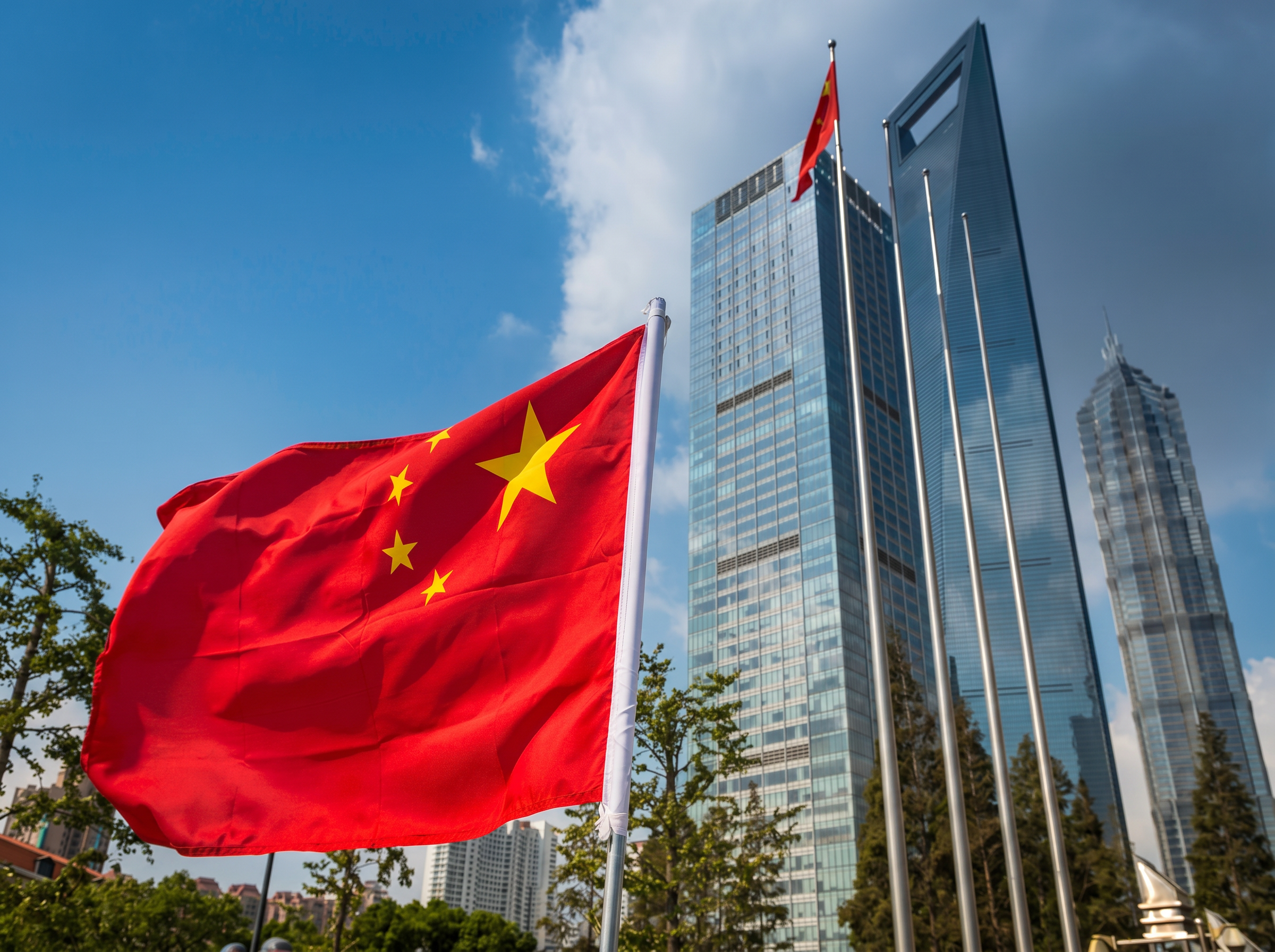
China's leading AI researchers, startup founders, and executives are facing increased travel restrictions, requiring government approval before they can leave the country. This move is part of Beijing's broader strategy to retain its top AI talent, giving rise to concerns about a potential brain drain as the global demand for artificial intelligence expertise continues to surge.
According to a report by TechCrunch, these restrictions come in the wake of rising nationalism regarding high-tech advancements and a heightened focus on national security. In March 2025, the Wall Street Journal reported that Chinese authorities began advising prominent AI figures to avoid traveling to the United States, indicating a significant shift in how the country manages its competitive edge in AI.
Context Behind the Restrictions
The tightening of travel regulations reflects China's efforts to protect its intellectual assets in a field that is rapidly evolving. Recent analyses reveal that the performance gap between China's AI models and those developed in the U.S. has narrowed significantly. A report from Stanford indicates that by March 2026, this gap had reduced to just 2.7%, down from approximately 31% in 2023, raising questions about how long the U.S. can maintain its edge in AI innovation.
In light of these developments, the restrictions appear to be particularly targeted following the scrutiny of the Manus-Meta deal. The Financial Times reported that the Chinese government has barred the co-founders of AI startup Manus from leaving the country while regulators investigate whether Meta’s acquisition of the company violates national foreign investment regulations.
U.S. Investment Curbs and National Security
Alongside travel restrictions, China is also tightening its grip on foreign investment in the AI sector. Recent reports suggest that the Chinese government intends to require approval for U.S. firms seeking to invest in notable Chinese AI startups, including companies like Moonshot AI and ByteDance. This reflects a growing apprehension regarding national security and the potential implications of foreign capital on domestic technological advancements.
These measures follow earlier economic countermeasures introduced by Beijing, which included export controls on 14 rare earth materials critical to high-tech manufacturing. Moreover, state-funded data centers have been barred from utilizing foreign-produced AI chips, further illustrating China's intent to cultivate a self-sufficient tech ecosystem.
Conclusion: The Competitive AI Landscape
The competitive landscape in artificial intelligence continues to heat up, with the U.S. still leading in terms of model quality and high-impact patents. However, as China's AI capabilities rise and its regulatory frameworks become more stringent, observers are left pondering the future of AI innovation and dominance. The race for AI supremacy between the East and West has never been more intense, setting the stage for significant developments in the years to come.
China's efforts to maintain control over this pivotal sector not only demonstrate its commitment to becoming a global AI powerhouse but also raise critical questions about collaboration, boundaries, and the future of international tech relations.
Popular news
New York has declared a disaster emergency over rising measles cases, especially among under-immunized populations, with 108 confirmed cases.




Subscribe to
our news
Get the most important updates and top stories in your inbox.