




 Business19 May 2026
Chinese Brands Set to Challenge Starbucks and Nike in Global Markets
Chinese brands are expanding globally, aiming to rival Starbucks and Nike with innovative strategies and competitive pricing, paving their path to success.
The Rise of Chinese Brands
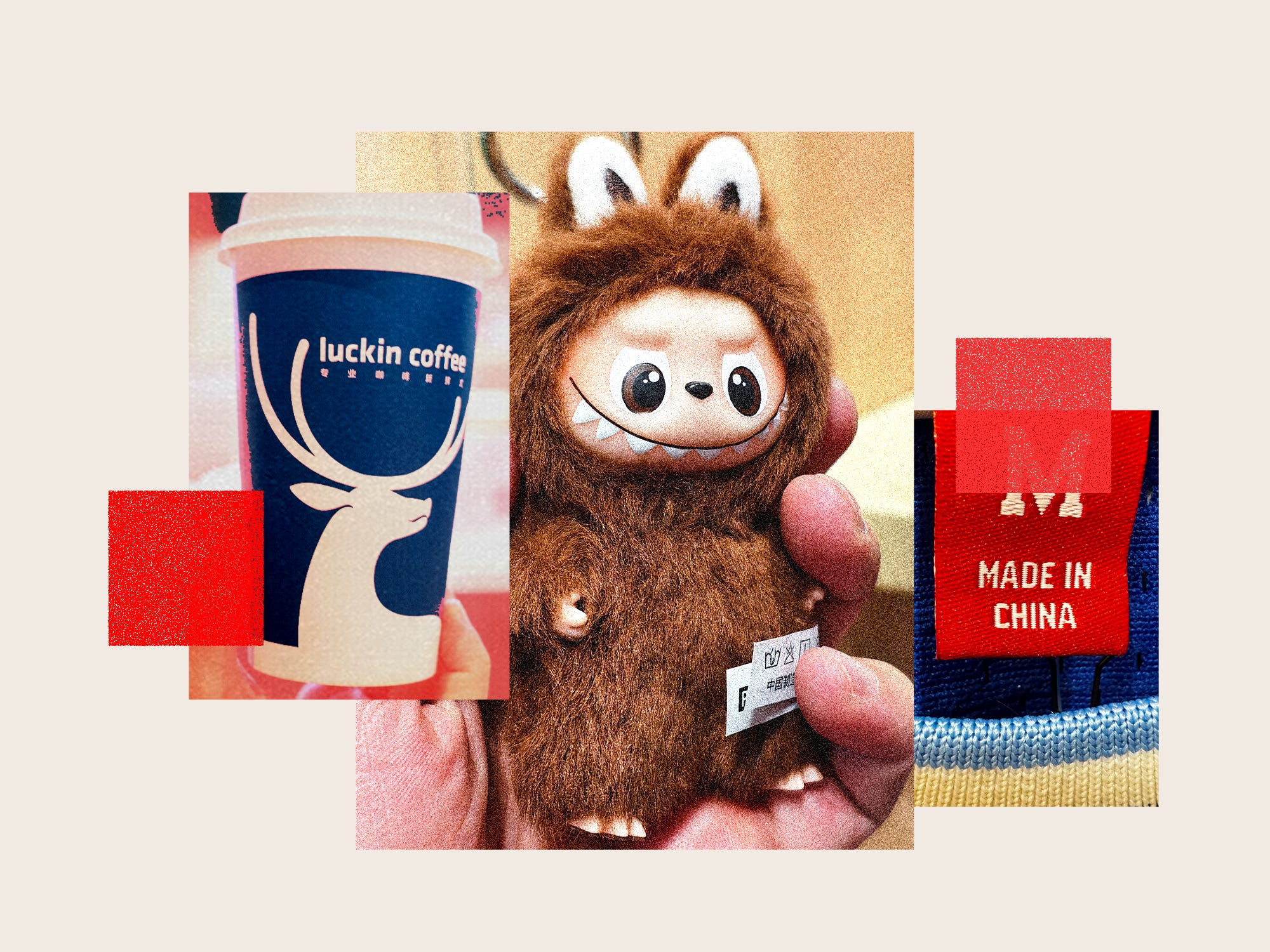
For decades, the label "Made in China" has graced a wide array of products worldwide, from electronics to clothing. However, a shift is underway as prominent Chinese brands like Luckin Coffee, Pop Mart, and Songmont are stepping into the spotlight, vying for a share in lucrative global markets traditionally dominated by giants like Starbucks and Nike.
According to Nirgunan Tiruchelvam, head of consumer and tech equity at Hong Kong's Aletheia Capital, these brands have become significant threats in the consumer sector. “They are already a major threat,” he noted, highlighting the competitive edge these brands are carving out for themselves in Western markets.
Competing Head-On with Established Giants
Luckin Coffee's Innovative Approach
Luckin Coffee is a frontrunner in this movement, actively testing markets long held by Starbucks. The brand has introduced ingenious app-based ordering options and exciting limited-time flavors, such as blood orange cold brew in the U.S. and pandan coconut latte in Southeast Asia. This innovative strategy aims to create a different coffee experience that resonates well with local tastes.
Pop Mart's Cultural Transformation
On a parallel track, Pop Mart is transcending its origins as a toy company to become a global cultural phenomenon. By leveraging the appeal of its adorable collectibles, notably Labubus, the brand is making significant inroads into international markets. Pop Mart's success demonstrates how brands can evolve and capture consumer interest by reinventing their identities.
Fashion Brands: Entering the Global Arena
Clothing brands like Songmont are also jostling for attention, competing against global mid-range players like Zara by focusing on lower prices while infusing a sense of cultural heritage and significance into their designs. This multi-faceted strategy positions these brands uniquely in the eyes of global consumers.
Navigating the Complex Landscape of Global Trade
While the efforts of these brands are commendable, they are not without challenges. China’s economic slowdown and a declining birthrate complicate the domestic market landscape, prompting many companies to turn their sights abroad for growth. The intensifying domestic competition has resulted in price wars that could squeeze profit margins, necessitating the need for innovative global strategies.
Crafting a Unique Brand Identity
Creating a brand that stands not just for low prices but also for identity and passion is crucial. Eunkyu Lee, a marketing professor at Syracuse University, emphasizes that successful Chinese brands need to develop unique narratives to shift consumer perception from mere price to desirability.
Cultural Acceptance and Global Appeal
Chinese companies are adopting different strategies to integrate into international markets. Some, like Li-Ning, leverage sponsorship deals with NBA players to boost their visibility, while others, including Songmont, embrace their rich cultural identity. This duality allows brands to resonate with the global audience, particularly among younger consumers who seek novel, cool, and fresh experiences.
Political Hurdles and Market Adaptability
Despite ongoing trade tensions and heightened scrutiny on Chinese companies, the desire for these brands remains robust. Tariffs have impacted companies like Shein and Temu, yet these brands adapt by localizing their operations in response to market dynamics.
Lee asserts that while politics may pose challenges, it will not prevent consumers from embracing these brands. "These brands are largely detached from political issues," he explains, indicating a separation between consumer choices and political narratives.
Conclusion: The Future of Chinese Brands
As Chinese brands continue to innovate and carve out their identity in global markets, their ability to foster long-lasting consumer loyalty rather than temporary interest will be vital. The path to achieving premium brand recognition lies in successfully blending desire with cultural significance.
Time will tell whether these brands can shift global perceptions from low-cost alternatives to coveted cultural icons, underscoring a transformative phase in international consumer markets.
Popular news
Nuveen acquires Schroders, creating a $2.6 trillion asset management powerhouse.





Subscribe to
our news
Get the most important updates and top stories in your inbox.