




 World21 May 2026
Colombia's Presidential Race Plagued by Escalating Violence Ahead of Elections
Rising violence grips Colombia's presidential race, shaping candidates' responses as elections approach.
Rising Violence in Colombia's Presidential Race
As Colombia gears up for its presidential elections on May 31, 2026, a surge in violence looms large over the political landscape. Recent bombings and the assassination of a leading candidate have underscored a deteriorating security situation, casting a pall over the campaign. Notably, the recent attack on ruling party Senator Alexander Lopez marks one of the most dramatic escalations in the conflict, leading to a deeper polarization of the electoral discourse.
Attack on Senator Lopez
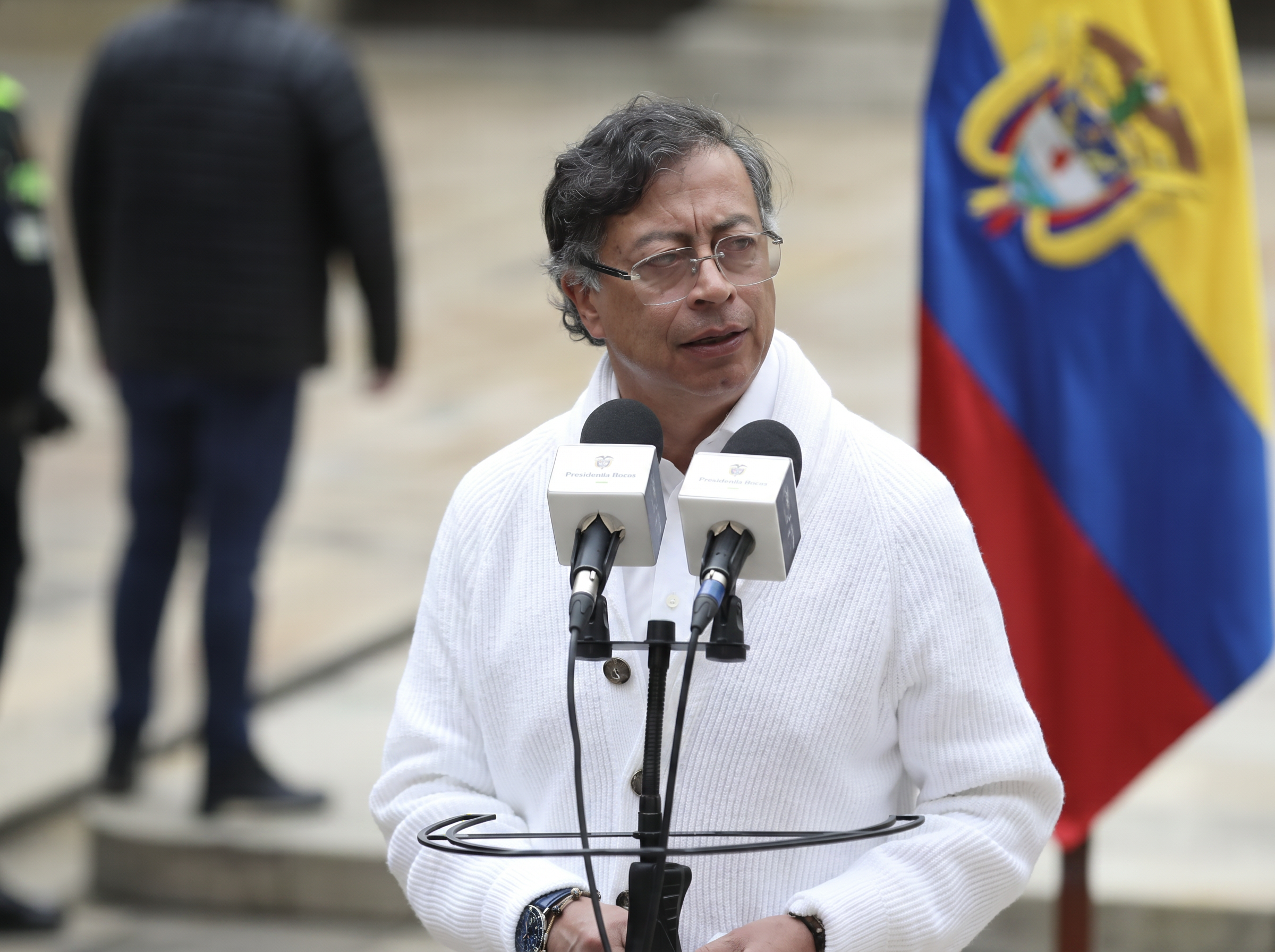
On Tuesday, Lopez's motorcade was ambushed while traveling through a highway in Colombia's southwestern region, known for its tumultuous history with armed groups. President Gustavo Petro condemned the attack, attributing it to a drug-trafficking organization aiming to undermine the electoral process. This incident has drawn attention to the resurgence of violence in a country that has faced years of conflict with guerrilla groups such as the Revolutionary Armed Forces of Colombia (FARC).
Candidates' Divergent Approaches
With violence dominating the campaign narrative, the presidential candidates have proposed contrasting solutions:
- Ivan Cepeda, the leftist frontrunner and an ally of President Petro, advocates for ongoing peace negotiations with armed groups. His platform reflects a continuity of the current administration's policies aimed at stabilizing the region through dialogue.
- In sharp contrast, Abelardo de la Espriella, a conservative lawyer, has called for a military offensive to address the threats posed by armed groups. His hardline approach resonates with voters seeking immediate and decisive action against crime.
- Another conservative candidate, Paloma Valencia, emphasizes the need for robust support for the military and police, pressing for concrete measures to combat the escalating violence, especially in light of the recent attacks.
Polling Data and Predictions
An Invamer poll indicates Cepeda leads the race with 44.3% support, followed by De la Espriella at 21.5% and Valencia at 19.8%. As the election draws closer, there's a possibility of a runoff scheduled for June 21 if no candidate secures a majority of the votes.
Recent announcements of ceasefires from some factions of the FARC and the National Liberation Army (ELN) hint at the complexities surrounding the peace process, but many voters remain skeptical about the effectiveness of such measures in ensuring safety during the elections.
Conclusion
As the electoral landscape becomes increasingly fraught with violence, Colombian voters face a critical choice between continuing a fragile peace process or endorsing a more militarized approach to governance. With the campaign marked by fear and uncertainty, the outcome will likely hinge on how candidates navigate these pressing issues while addressing the electorate's concerns.
Popular news
Nuveen acquires Schroders, creating a $2.6 trillion asset management powerhouse.


Subscribe to
our news
Get the most important updates and top stories in your inbox.