




 World24 Apr 2026
Concerns Emerge Over AfD's Use of Parliamentary Questions to Intimidate
The AfD is accused of misusing parliamentary questions to intimidate political opponents and civil society, raising fears about freedom of expression.
AfD's Increasingly Controversial Practices
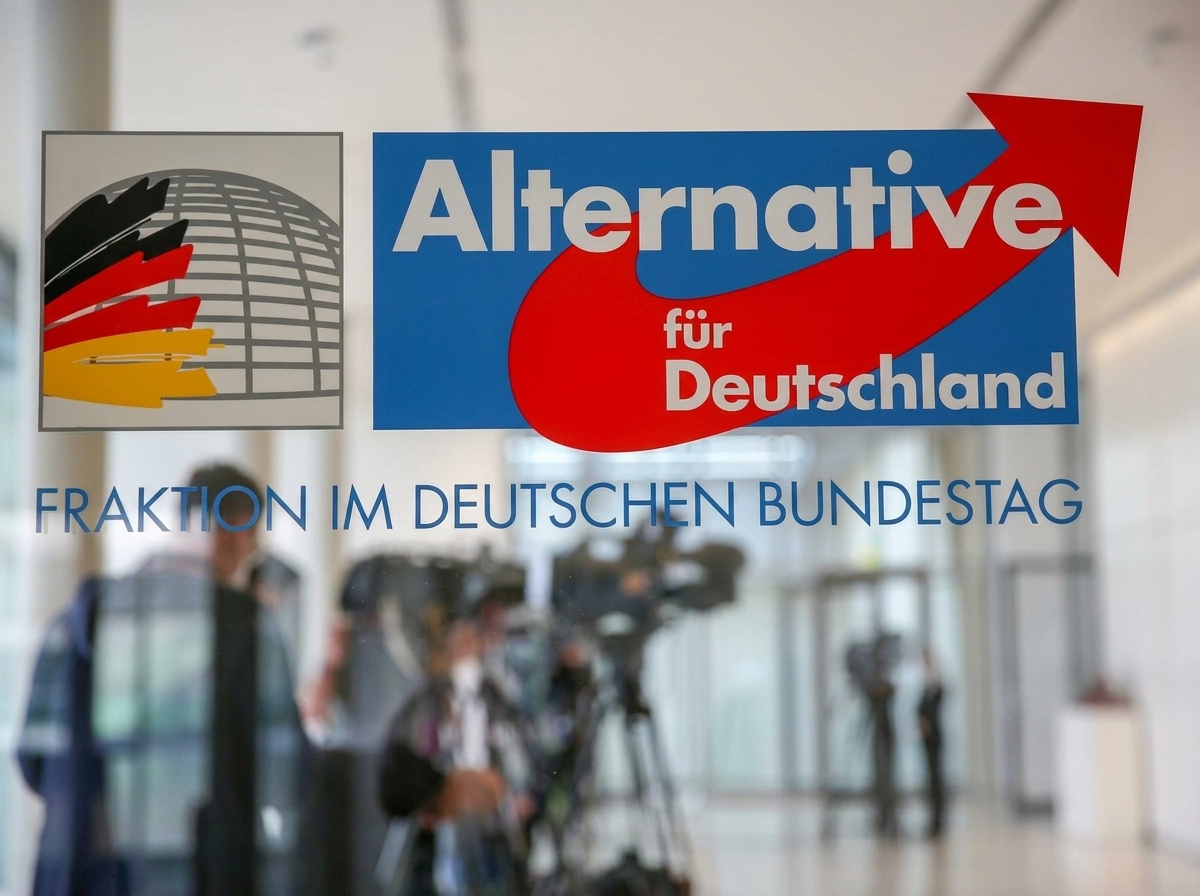
Amid growing scrutiny, the far-right Alternative for Germany (AfD) is facing backlash for reportedly abusing its parliamentary questioning rights. Critics allege that the party’s focus on teachers, refugee support workers, and civil organizations is designed to intimidate and silence dissenters, prompting fears about freedom of expression in the country.
Accusations of Intimidation
Reports indicate that the AfD has submitted thousands of questions in state parliaments as part of the democratic process. However, critics, including members of civil society and opposition parties, argue that the inquiries are a means of intimidation. In one illustrative case, Bavarian school principal Roland Feucht publicly encouraged a demonstration for democracy and diversity, prompting AfD lawmakers to accuse him of political bias. This type of scrutiny has left educators questioning their ability to engage in political discourse without fear of reprisals.
Simone Fleischmann, chair of the Bavarian teachers' association, noted that every question submitted by the AfD contributes to a climate of fear among teachers. "Every one of those questions makes you, as a teacher, pause," she remarked, highlighting the chilling effect on teaching professionals who feel they may face backlash for expressing their views.
Targeting Civil Society
Civil society organizations are also feeling the pressure from the AfD's parliamentary tactics. Refugee support workers reported feeling as if the AfD was "breathing down their necks," while some groups, such as the Amadeu Antonio Foundation, have been inundated with questions focusing on their financing and operations. The foundation, which combats racism and anti-Semitism, claims that the AfD is trying to create a negative impression among the public about non-profit organizations. The foundation's spokesperson, Lorenz Blumenthaler, commented, "The aim is to create an impression among the broader public that something is wrong with these nonprofit organizations."
In Thuringia, a stronghold for the AfD, local politicians observe a targeted strategy in the political questions posed by the party. Katharina König-Preuss, a member of the socialist Left party, accused the AfD of attempting to collect personal information about civil society activists and minority groups.
Allegations of Espionage and Foreign Ties
The AfD has also come under fire for allegedly using its parliamentary questions to serve interests related to foreign powers, namely Russia. Thuringia's Interior Minister Georg Maier claimed that the AfD's questioning practices could be probing critical infrastructure in Germany, potentially with the intent to benefit foreign entities. This claim raises significant concerns regarding national security, as the party has submitted inquiries regarding sensitive areas such as transport and energy infrastructure.
The perception that the AfD maintains connections with Kremlin interests further complicates the narrative, with allegations of financial relationships between AfD members and Russian networks surfacing over the past years. Amid these claims, the party staunchly defends its questioning rights as integral to parliamentary democracy.
Conclusion
While the AfD has the same right as any political party to submit questions to hold the government accountable, the implications of its questioning techniques reverberate throughout Germany. Critics contend that the party's tactics encourage a culture of fear, targeting minorities and minority opinions, and ultimately undermining the democratic values of the nation. As the AfD's tactics come under closer scrutiny, the discussions surrounding the balance between accountability and intimidation remain vital to the health of German democracy.
Popular news
A small plane crash while touring the Nazca Lines in Peru has resulted in 13 fatalities, including tourists and crew.



Subscribe to
our news
Get the most important updates and top stories in your inbox.