




 World14 May 2026
Could Iran War Trigger a Global Hunger Crisis?
UN warns potential conflict in Iran may lead to a global hunger crisis, raising food prices and risking millions of lives.
Potential Conflict's Ripple Effect
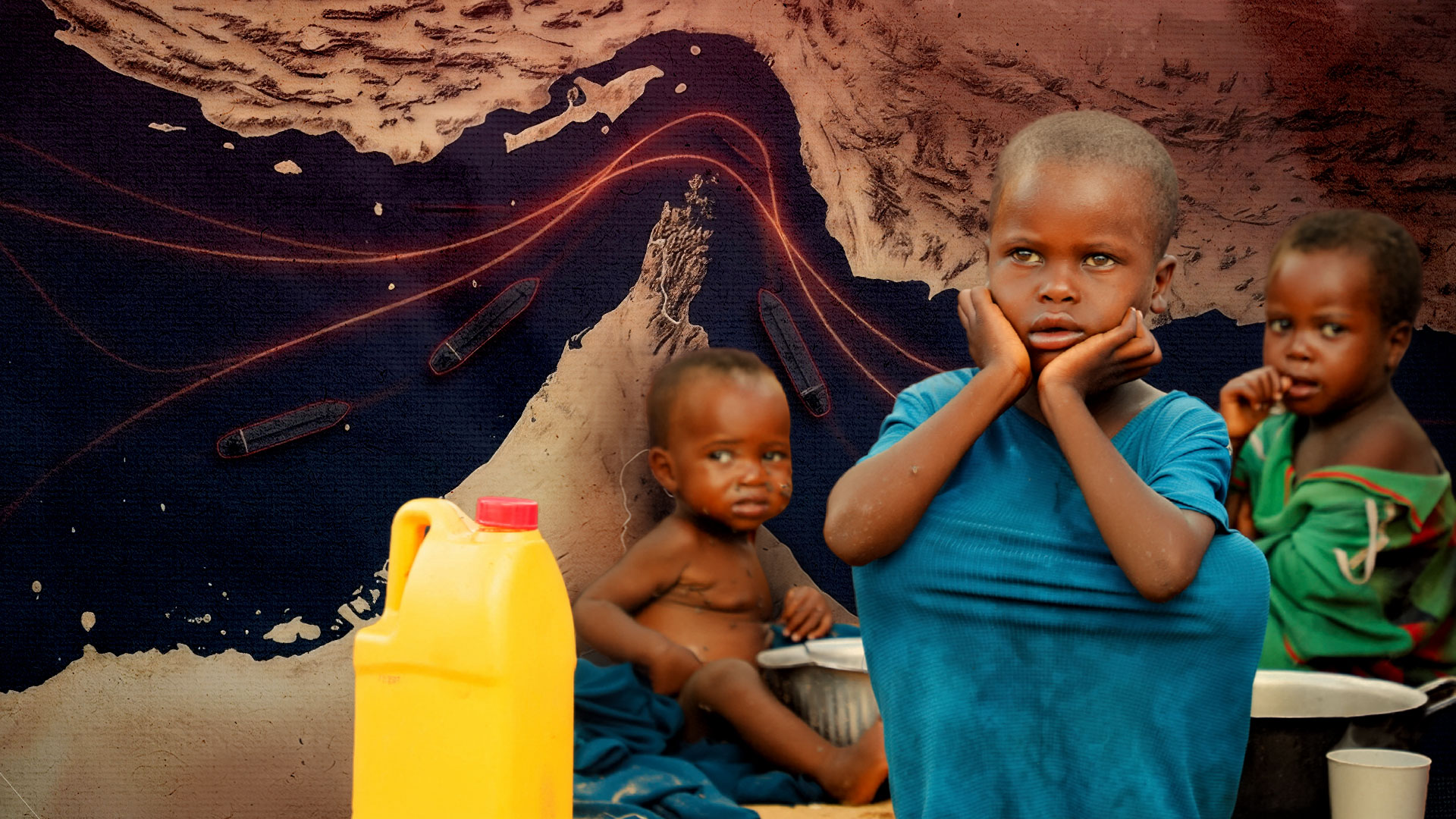
The United Nations has issued a stark warning regarding the potential for a hunger crisis as tensions escalate in Iran. The Strait of Hormuz, a crucial maritime route for global trade, is at the center of this warning. As conflict looms, the UN cautions that disruptions in this critical waterway could severely impact the availability of fertilizers essential for agriculture worldwide.
The Critical Role of Fertilizers
Fertilizers are indispensable for food production, and their passage through the Strait is vital for sustaining agricultural output. Without adequate access to these resources, the consequences could be dire. The UN has indicated that if shipping routes remain blocked for an extended period, the world might face mass starvation within weeks. This situation is compounded by already rising food prices that have hit a three-year high, further destabilizing food security for many nations.
Economic Vulnerability Heightened
Aid agencies have expressed their alarm over the potential impacts of a prolonged conflict in the region. Vulnerable economies, already grappling with debt and elevated import costs, could see tens of millions more people plunged into hunger. The potential for increased prices of basic food items could create a ripple effect, compromising nutrition and well-being across populations that can hardly absorb such shocks.
Immediate Action Required
The call for action is urgent as the situation develops. The UN and various aid organizations are advocating for diplomatic efforts to secure safe passage through the Strait of Hormuz and maintain access to necessary agricultural inputs. Without swift intervention, the looming crisis could become a reality, affecting countless livelihoods and exacerbating existing humanitarian issues worldwide.
Popular news
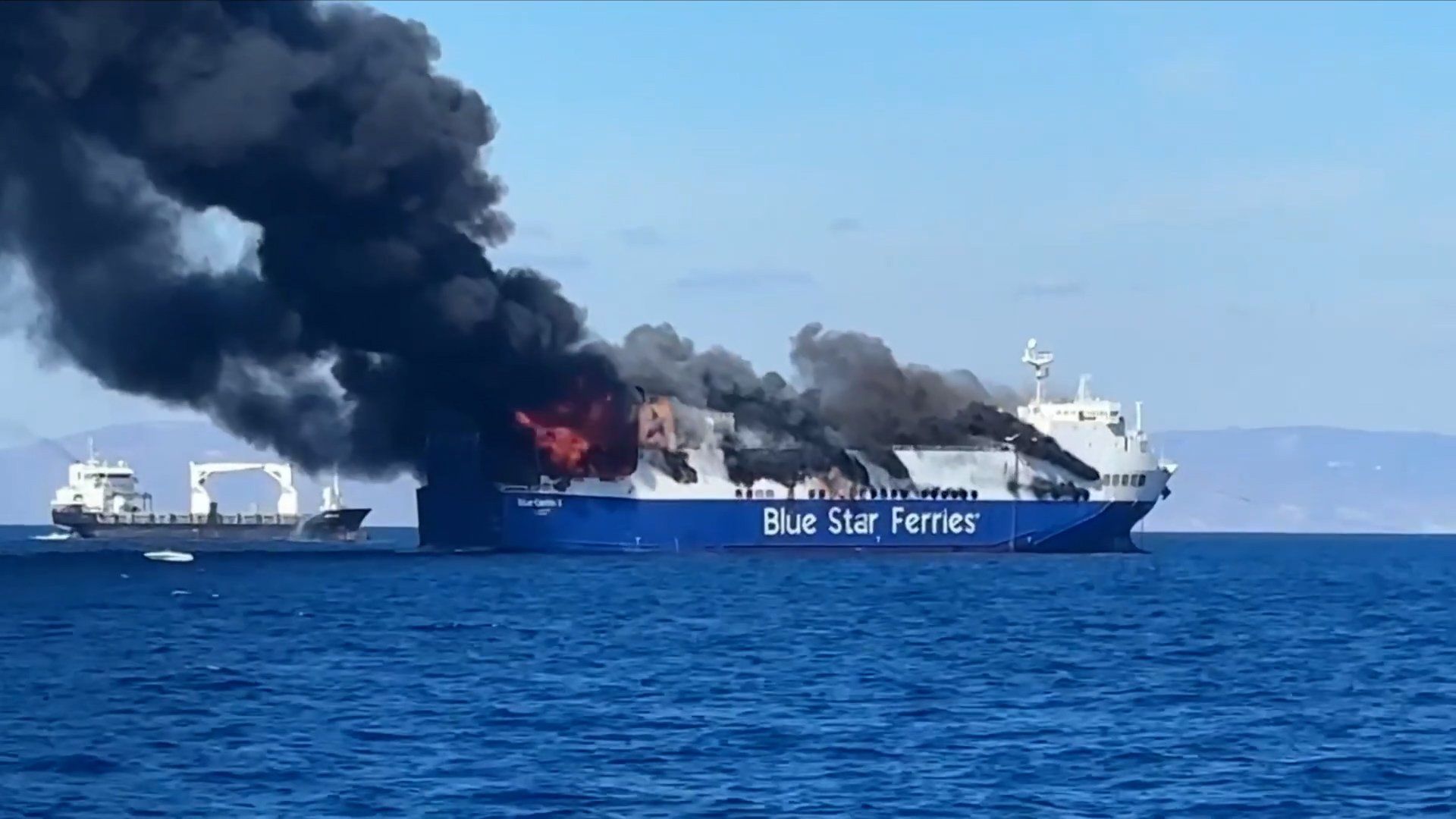
A major fire on the Blue Carrier 2 ferry off Mykonos led to a rapid evacuation of all 29 individuals on board with no reported injuries.



Subscribe to
our news
Get the most important updates and top stories in your inbox.