




 Business20 May 2026
Creating Inclusive Workspaces for Neurodivergent Employees: Insights from Daniel Wendler
Neurodivergent employees often struggle in traditional workplaces, much like polar bears in the desert. We need to create inclusive environments.
A Polar Bear in the Desert: The Case for Neurodiversity in the Workplace
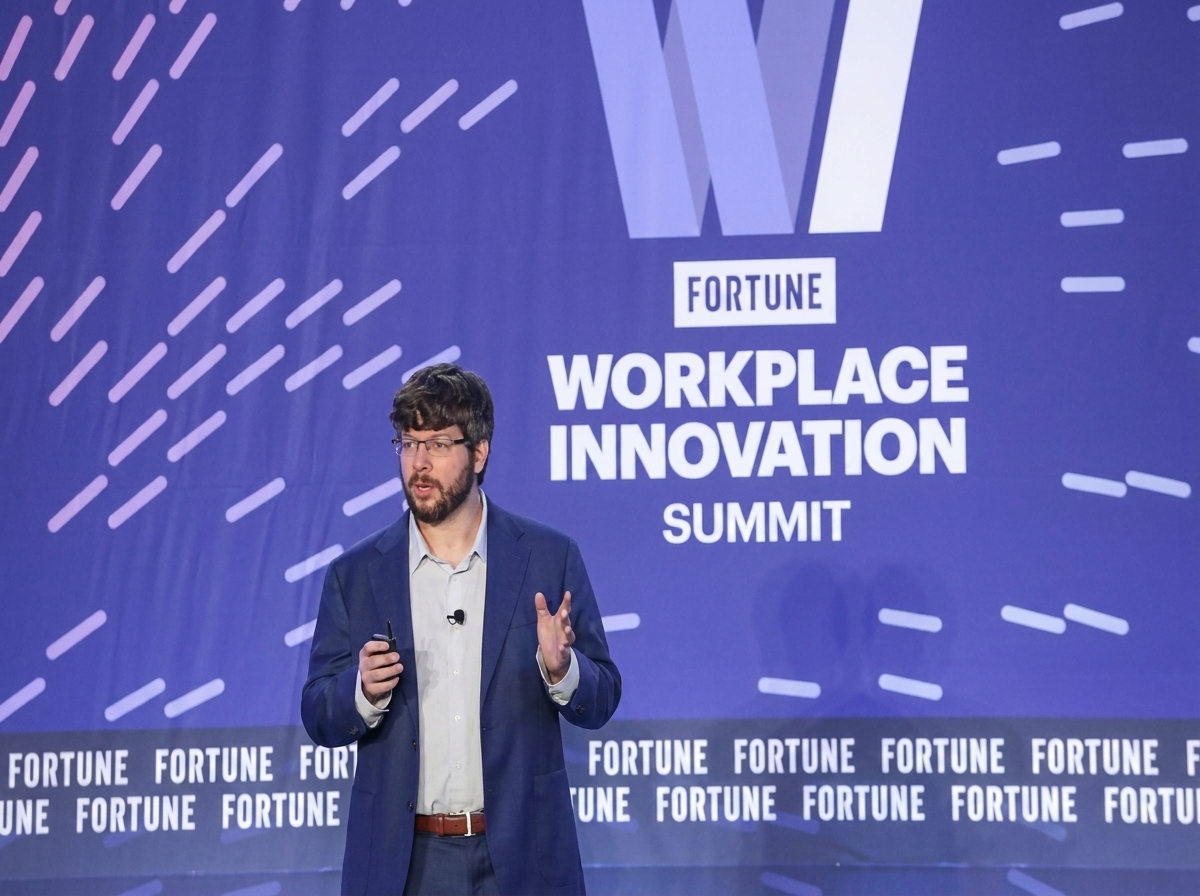
Daniel Wendler, a clinical psychologist and advocate for neurodiversity in the workplace, likens the experience of neurodivergent employees to that of a polar bear dropped into a climate unsuited for its survival. Speaking at Fortune's Workplace Innovation Summit, he argues that many companies inadvertently marginalize a significant portion of their workforce simply because they are designed with neurotypical employees in mind.
The Challenge of Inclusion
Wendler points out that approximately 20% of U.S. adults identify as neurodivergent, a category that encompasses individuals on the autism spectrum, those with ADHD, dyslexia, and other cognitive differences. A survey conducted by EY in 2025 revealed that only 25% of neurodivergent employees felt included at work, with a concerning 39% considering leaving their jobs within a year due to feelings of exclusion and inadequacy caused by workplace structures that do not accommodate their needs.
This structural mismatch leads to a phenomenon where 18% of neurodivergent workers are labeled as suppressed talents -- highly skilled individuals unable to realize their full potential due to inadequate work environments.
The Business Opportunity
Wendler stresses that the solution does not require a complete overhaul of workplace structures. Instead, he advocates for the implementation of universal design principles that create a more inclusive environment for all employees. Innovations such as sloped curb cuts, originally designed for wheelchair users, ultimately serve a wider population. Similarly, closed captions, intended for the deaf, are now commonly used in various settings.
Leading companies like JP Morgan and Microsoft have begun to adopt these inclusive practices by incorporating adjustable lighting, specialized onboarding processes, and quiet zones to better support neurodivergent employees. According to Wendler, there exists a significant business case for companies to enhance their inclusivity:
"If your company becomes a leader in this area, you’ll immediately leapfrog over two-thirds of your competitors," Wendler stated, emphasizing the advantages of attracting top talent who seek a supportive workplace.
Rethinking Employee Engagement
For managers and team leaders, Wendler advises a critical re-evaluation of how they assess employee fit and motivation. Rather than questioning a team member’s commitment, he encourages leaders to consider whether they might be setting them up for failure by placing them in a mismatched environment:
"You need to ask: are they a polar bear in the desert?"
Conclusion
The discussion around neurodiversity and workplace inclusion is gaining traction, highlighting an urgent need for reform in traditional work settings. As Wendler underscores, a proactive approach to creating supportive environments can unlock the immense potential of neurodivergent employees, ultimately benefiting both individuals and organizations alike.
Popular news
Nuveen acquires Schroders, creating a $2.6 trillion asset management powerhouse.





Subscribe to
our news
Get the most important updates and top stories in your inbox.