




 World24 Apr 2026
Declining Russian Oil Exports Amid Ukraine's Strikes on Key Infrastructure
Ukraine's strikes on Russian ports and refineries lead to a major drop in oil exports, risking Russia's economic stability amid ongoing conflict.
Declining Exports Amid Ongoing Conflict
Recent reports indicate a steep decline in Russian oil exports as Ukraine escalates its military operations against key infrastructure. Almost three months into intensified air strikes targeting Russian ports and refineries, Ukrainian officials estimate that oil revenue losses for Russia reached $2.3 billion in March alone, a trend that is likely to continue into April.
Ukrainian President Volodymyr Zelenskyy highlighted the impact of these strategic strikes, emphasizing that Ukraine's long-range offensive capabilities have successfully disrupted Russian oil exports during a period when global oil prices surged above $100 a barrel.
The Strategic Strike Campaign
Since Ukraine launched its full-scale assault on Russian energy infrastructure on March 21, the impacts have been stark. Russia reportedly saw its oil transshipments drop by 300,000 barrels per day while refined products fell by 200,000 barrels per day, according to data from Ukraine’s foreign intelligence service.
U.S. Sanctions and Declining Revenue
Despite a U.S. waiver on sanctions meant to stabilize oil prices, Russian exports have stagnated. Analysts suggest that April's figures may indicate an even sharper decline than March's already low levels. The Russian business outlet Kommersant reported that current export levels are at their lowest since the summer of 2024, raising concerns about Russia's ability to manage its budget with oil prices below expectations.
Impact on Russian Infrastructure
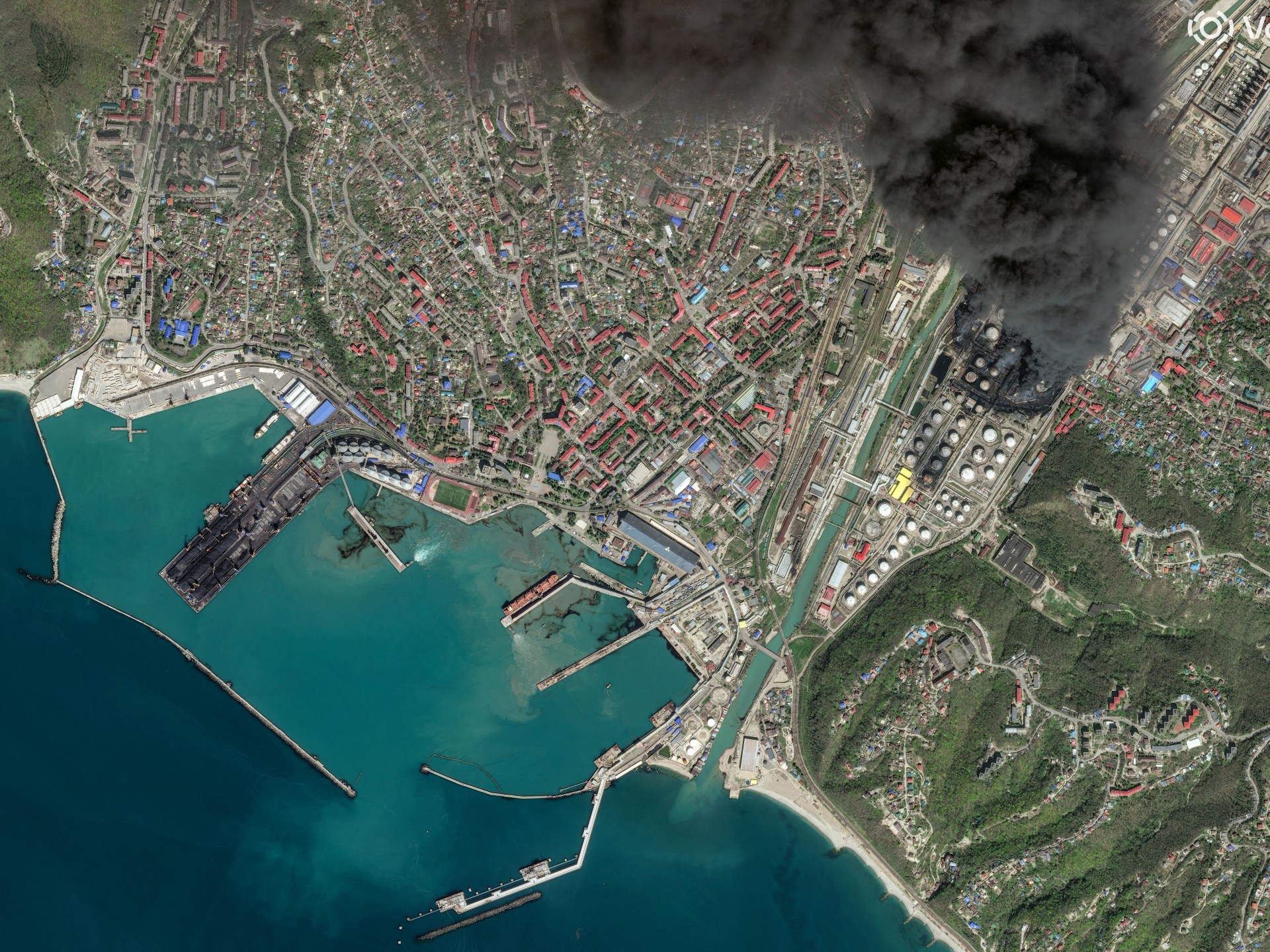
Recent attacks have led to substantial damage to Russian refineries. Strikes on facilities like the Tuapse refinery have been confirmed, causing significant fires and forcing some activities to halt completely. Reports indicate similar successful attacks on other refineries in the region, further compounding Russia’s operational difficulties.
Ukraine's Military Advancements
Alongside these strikes, Ukraine has also focused on bolstering its air defense capabilities. Innovations, such as mobile fire units employing heavy machine guns on vehicles, reflect Ukraine’s adaptive strategies against drone threats. Additionally, reports of successful interceptions of Iranian-made Shahed drones underscore a developing competence in aerial defense.
Economic Support from the EU
To further its military capabilities, Ukraine secured a €90 billion loan from the European Union, aimed at strengthening its defense against ongoing Russian aggression. This funding will primarily bolster Ukraine’s military expenditures, as its economy faces significant strains from the ongoing conflict.
Future Implications
As the conflict persists, analysts caution that Russia must maintain oil prices above $100 a barrel to mitigate the ongoing budget deficit but face increasing operational challenges in light of sustained attacks from Ukraine. Additionally, the approval ratings for Russian President Vladimir Putin have been declining, raising questions about the internal stability of his administration as external pressures mount.
With the conflict showing few signs of abating, the ripple effects on global oil markets and the economies of both nations remain a critical concern for international observers.
Popular news
A small plane crash while touring the Nazca Lines in Peru has resulted in 13 fatalities, including tourists and crew.




Subscribe to
our news
Get the most important updates and top stories in your inbox.