




 Technology18 May 2026
Disney Sued for Using Facial Recognition Technology Without Proper Consent
Disney's use of facial recognition tech at theme parks leads to a class action lawsuit over privacy concerns and lack of consent.
Introduction
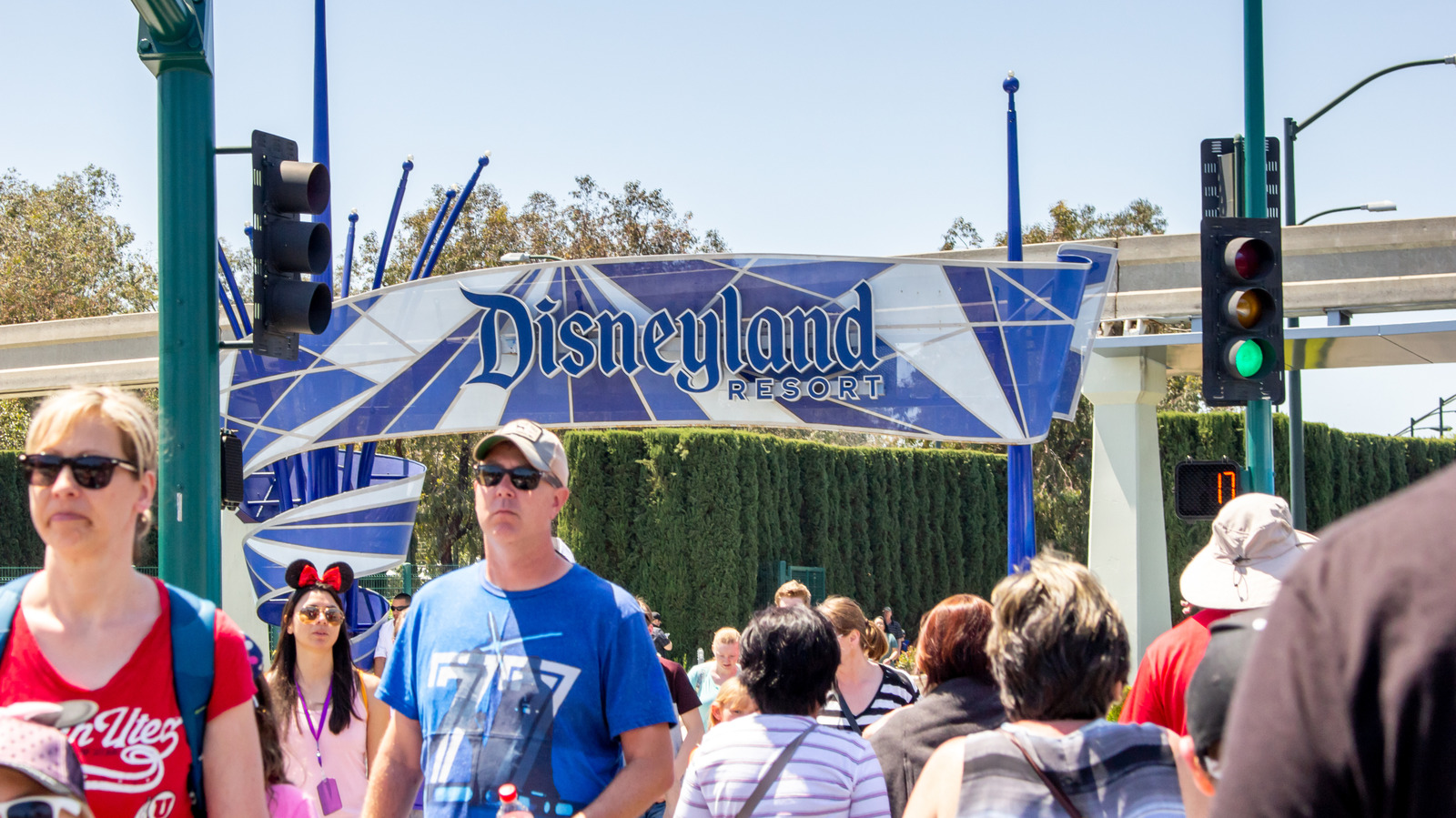
Disneyland and Disney California Adventure are known for their enchanting experiences, but they are now facing legal turmoil due to their implementation of facial recognition technology. A new class action lawsuit has been filed against the entertainment giant, claiming that guests are not properly informed about the use of facial scannings at park entrances. The lawsuit seeks at least $5 million in damages on behalf of affected visitors.
Details of the Lawsuit
The complaint, led by attorney Blake Yagman, states that park visitors should have the right to provide explicit written consent before their faces are scanned. "Guests should be able to expressly opt in to this type of sensitive facial recognition technology with written consent — the onus of privacy rights should not be on the victim," Yagman writes in the legal documents. The lawsuit emphasizes the importance of privacy concerning biometric data, which is considered highly sensitive.
Implementation of Facial Recognition Technology
Disney first introduced its facial recognition systems at Disneyland and California Adventure back in April, aiming to enhance security and streamline guest entry. According to reports, Disney claims that it deletes any captured facial recognition data within 30 days. However, the lawsuit questions the validity of this claims regarding the handling of biometric information. It suggests that any data linked to ticket purchases and annual passes may not be removed as stated in company policy.
Privacy Concerns
The lawsuit raises significant concerns about privacy and the ethical implications of using facial recognition technology in public spaces. Critics argue that without proper notice and consent from guests, the practice could violate individuals' rights. Moreover, the legal challenge highlights broader implications for the entertainment industry regarding the use of advanced technologies, especially in consumer-facing environments.
Conclusion
As the lawsuit unfolds, Disney finds itself at the crossroads of innovation and privacy rights. How the company addresses these legal challenges will set a precedent for how similar technologies are utilized in the future, particularly in theme parks and other public spaces. The outcome may also influence public perceptions of facial recognition technology and its appropriate use.
Popular news
Netanyahu dismisses West Bank violence as actions of 'juvenile delinquents' during a UN speech, focusing on Israel's military success against Hezbollah.





Subscribe to
our news
Get the most important updates and top stories in your inbox.