 Technology29 Apr 2026
Disneyland Unveils Facial Recognition Technology at Park Gates
Disneyland introduces optional facial recognition at park entrances to combat ticket fraud, amid privacy concerns from experts.
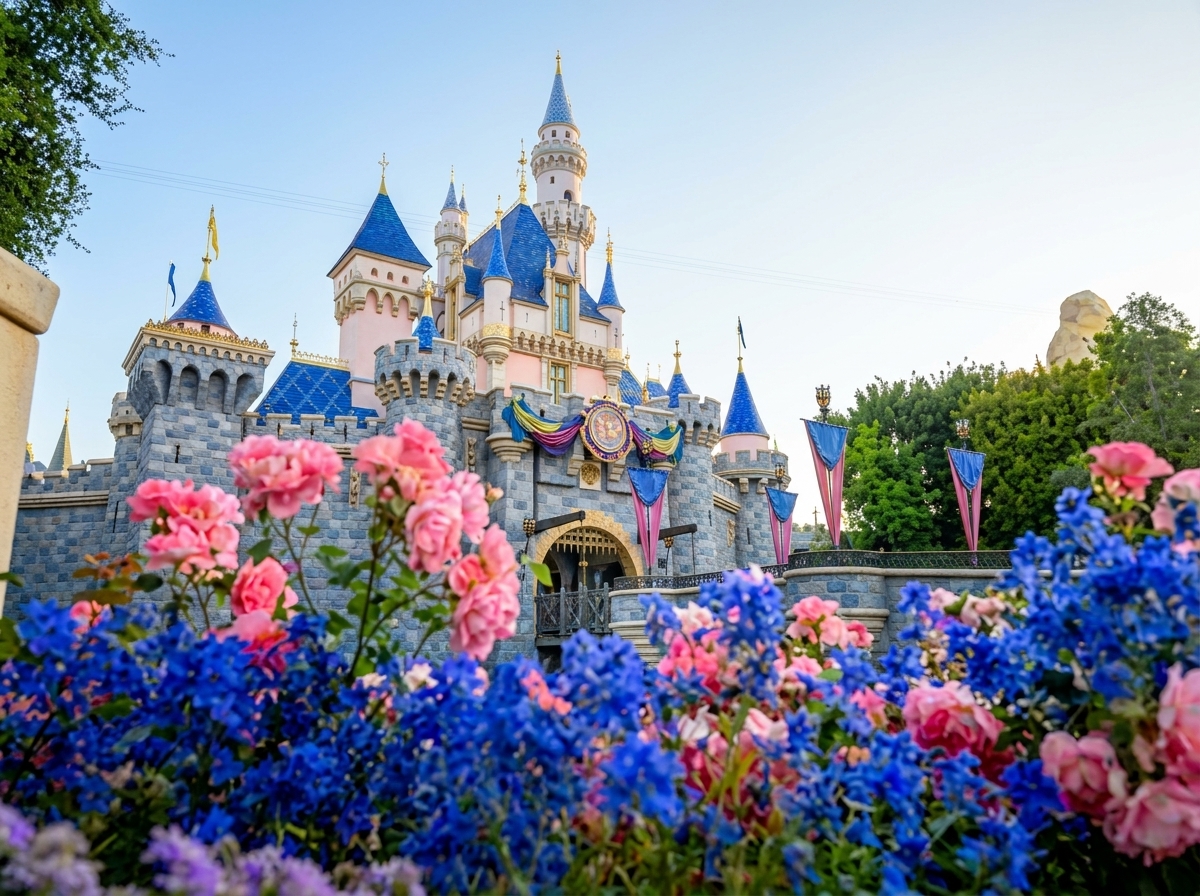
Disneyland Implements Facial Recognition at Entrance
Disneyland in California has officially launched a new facial recognition program at its park gates, designed to reduce ticket fraud among visitors. The system allows guests to voluntarily participate in a biometric photo scanning process that detects their faces and compares them with images linked to their tickets.
Key Features of the Program
The facial recognition program is yet another step towards modernizing guest entry systems at amusement parks. Visitors who choose to use the facial scanning will find that their photos are converted into numeric data, which can be discarded after 30 days unless retained for legal purposes. Aimed at preventing misuse of tickets and passes, the program hopes to limit the likelihood of guests passing on their entry credentials to unauthorized individuals.
Disney has stated that while there will be facial recognition lines present, there will also be alternative entry points that photograph patrons without utilizing facial recognition. However, these lines are reportedly less frequent than those requiring the biometric scan.
Privacy Concerns and Expert Opinions
Despite Disney's assurance regarding data handling, privacy experts have raised red flags about the implications of using facial recognition technology. Issues surrounding the collection, retention, and potential resale of biometric data persist, leaving many to question how the company will utilize the information gathered during entry. The absence of clear communication about the fate of the digital photos themselves further complicates the discussion.
"What happens to the facial data collected by companies like Disney is a critical concern for consumers," said an unnamed privacy expert. "Transparency on data usage and retention is needed."
In compliance with youth privacy regulations, children under 18 can be scanned with the consent of a parent or guardian, adding another layer to the ongoing dialogue about the ethical implications of surveillance technology in public spaces.
Broader Adoption of Facial Recognition Technology
Disneyland's new feature aligns with a broader trend where multiple high-traffic venues are introducing similar technologies. Facilities such as Intuit Dome and Dodger Stadium in the Los Angeles area have also implemented facial recognition systems, which facilitate quicker access and enhance security. In comparison, Universal Studios in Florida employs a system dubbed "Photo Validation," which promotes efficient entrance protocols without generating public backlash seen at Disneyland.
According to reports, Florida's laws regarding privacy and technology have fostered a more rapid adoption of such innovations, contrasting with California's more stringent regulations. Disneyland fans have observed this discrepancy, highlighting the variations in societal response toward such technologies.
While these advancements underscore a shift towards integrating biometric systems within amusement parks, they also incite necessary conversations about privacy, data protection, and the ethical ramifications of surveillance in public entertainment venues.
Popular news
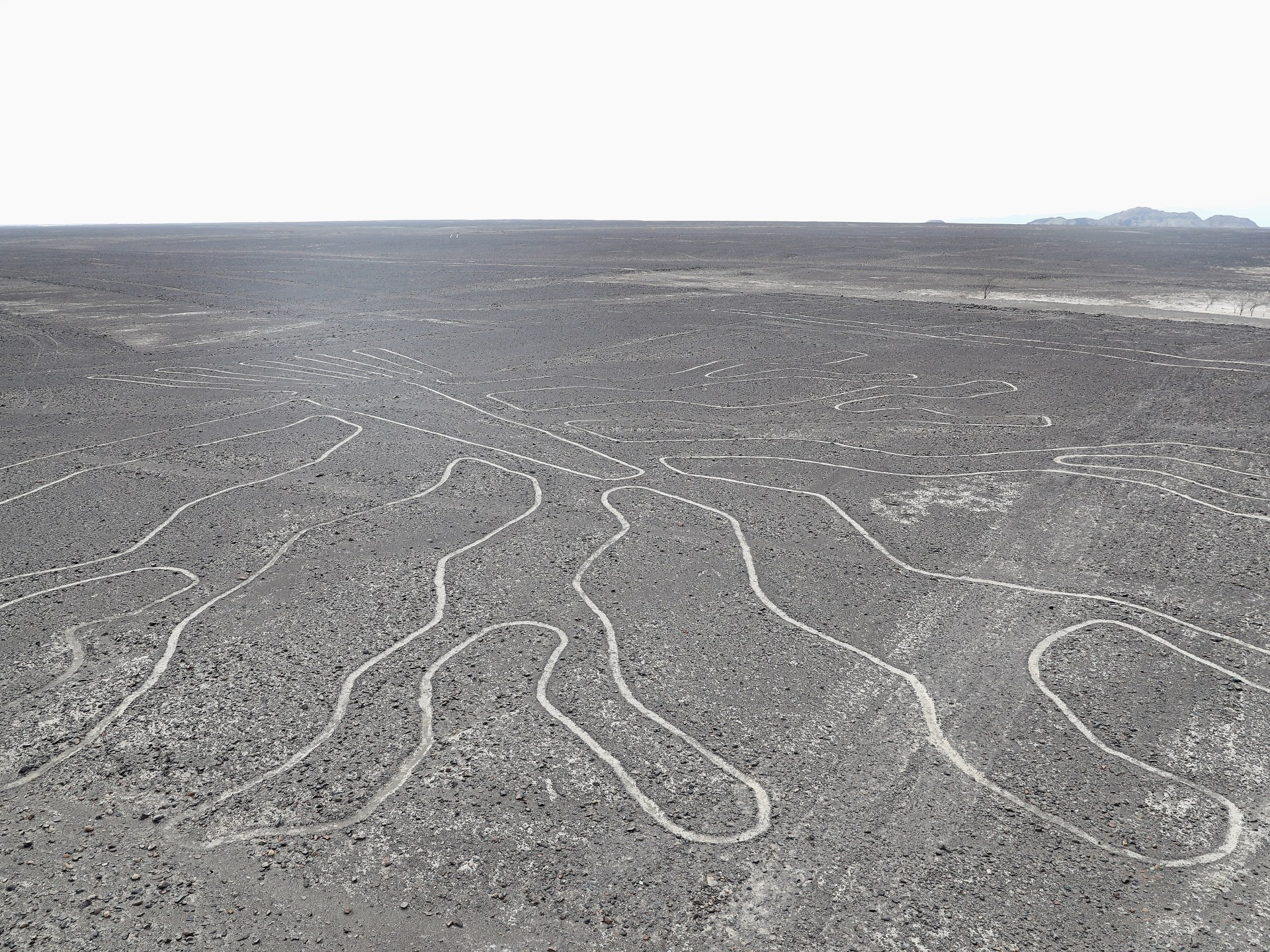
A small plane crash while touring the Nazca Lines in Peru has resulted in 13 fatalities, including tourists and crew.




Subscribe to
our news
Get the most important updates and top stories in your inbox.