




 Technology24 May 2026
Does Vinegar Really Kill Weeds? Experts Weigh In on Its Effectiveness
Discover whether vinegar is an effective weed killer according to gardening experts and find out how to use it properly!
Vinegar as a Natural Weed Killer
With summer around the corner, many homeowners are gearing up to tackle the ever-persistent battle against weeds in their gardens. Among the numerous methods to control these pesky intruders, white vinegar has gained popularity as a natural and non-toxic solution. But does it truly work? Gardening experts have weighed in on the effectiveness of white vinegar and when it can be most beneficial for weed management.
Understanding the Science Behind Vinegar
White vinegar is primarily composed of acetic acid, which acts as a herbicide by piercing plant cells and causing them to lose moisture. According to Michael Wheat, founder of Ponds, "White vinegar contains acetic acid, which has a nasty habit of stripping the waxy coating off a weed's leaves. Once that layer goes, the plant can't retain any moisture, and the leaves just shrivel up pretty fast." However, it’s crucial to note that vinegar only works as a contact herbicide, affecting only the parts of the weed that it physically touches.
Best Practices for Application
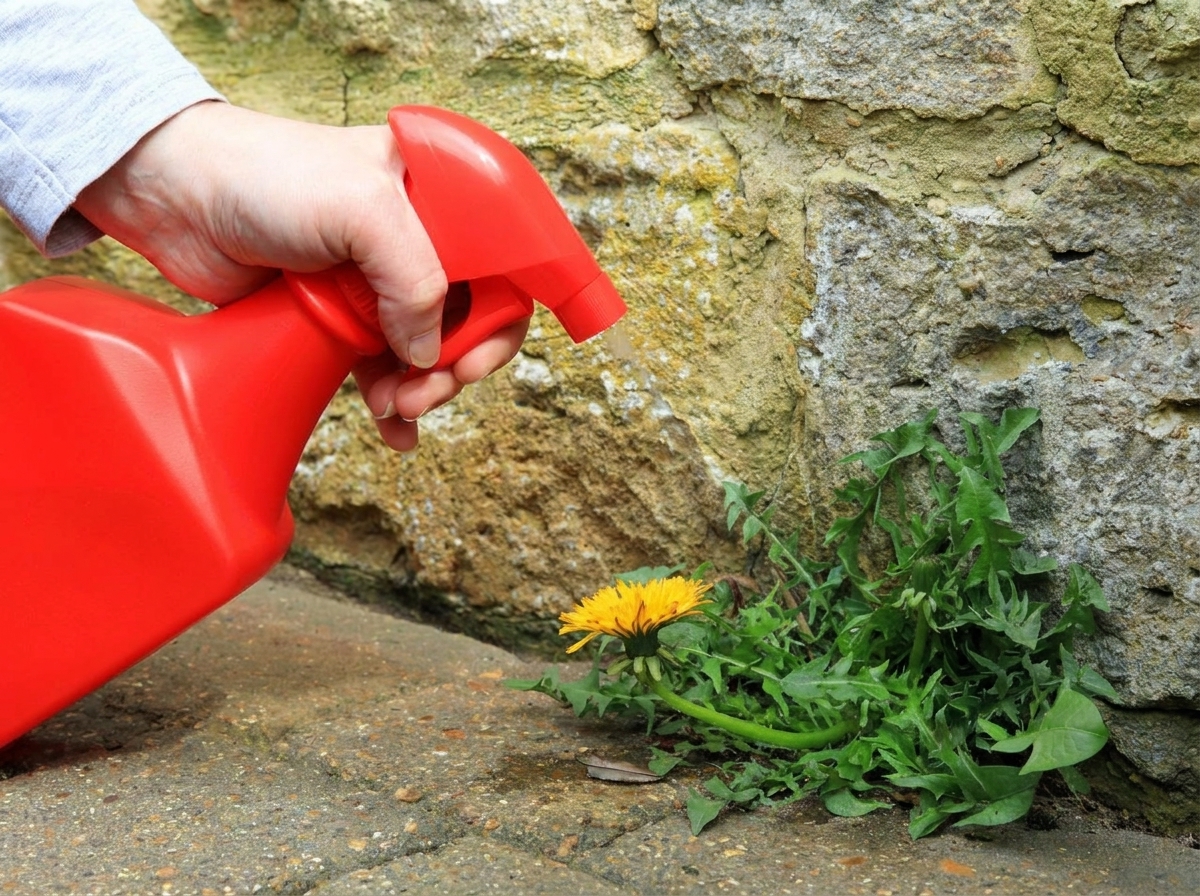
To achieve the best results with vinegar, it is recommended to create a mixture of equal parts vinegar and water, adding a small amount of dish soap to enhance its sticking properties. The optimal time to apply this solution is when the weeds are actively growing and not stressed by drought. Angelika Zaber, a lawn care specialist states, "Spray any unwanted plants… they should start wilting within a few hours and turn completely brown within around 24 hours."
Additionally, according to Zaber, early morning is the best time to apply vinegar, as lower temperatures help prevent evaporation. It is also essential to ensure that there is no rain forecast in the 24 hours following the application to maximize effectiveness.
Limitations of Vinegar as a Weed Killer
While white vinegar can be an effective solution for certain types of weeds, it’s not a cure-all. Glen Chandler, a gardening expert, explains that vinegar primarily burns the visible parts of the plants and does not penetrate deeper roots, which is often the case with established weeds such as dandelions and bindweed. "It rarely kills the root system of established perennials like dandelions or plantain," he notes. For tougher weeds with deep taproots, manual removal may still be necessary.
Furthermore, vinegar can struggle on mature, woody weeds or in damp conditions. Wheat adds, "Some weeds like dandelion, bindweed, and docks are pretty tough—white vinegar won't kill them. The top bit of the weed will go brown within a few hours, but then it's straight back to business as usual."
Conclusion
In conclusion, white vinegar can effectively kill younger, softer weeds when applied correctly—ideally in early morning conditions and on actively growing plants. However, gardeners should remember its limitations and understand that it may require repeated applications for more resilient weed types. Effective weed management may involve a combination of strategies, emphasizing patience and persistence.
As many gardening experts suggest, giving vinegar the proper time and conditions to work can lead to successful weed control. By following these best practices, homeowners can utilize this simple household item for effective weed management in their gardens this summer.
Popular news
Nuveen acquires Schroders, creating a $2.6 trillion asset management powerhouse.





Subscribe to
our news
Get the most important updates and top stories in your inbox.