




 Technology18 Apr 2026
Double Dazzle: This Weekend, Two Meteor Showers Light Up the Night Sky
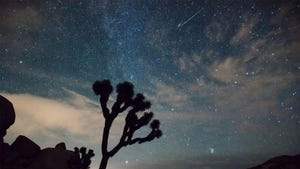
This weekend features two meteor showers: the Lyrids and the Eta Aquariids. Get ready for a night of dazzling meteors!
Celestial Highlights: Lyrids and Eta Aquariids Meteor Showers
This weekend, astronomy enthusiasts and casual stargazers alike can look forward to witnessing two meteor showers lighting up the night sky: the Lyrids and the Eta Aquariids. This dual spectacle promises an exciting opportunity to experience the beauty of the cosmos.
Lyrids Meteor Shower
The first event, the Lyrids, is already in progress, running from April 16 to April 25, but it is set to peak on the night of April 21-22. Under ideal viewing conditions, observers can expect to catch between 15 to 20 meteors per hour as the Earth passes through the debris field left by the C/1861 G1 comet, known as Thatcher. This relatively minor meteor shower is best viewed in dark locations, with peak visibility anticipated during the early hours after midnight.
Eta Aquariids Meteor Shower
Following the Lyrids, the Eta Aquariids will also offer a stunning display starting April 19 and peaking between May 5-6. This meteor shower, linked to the famous Halley's Comet, is the stronger of the two, boasting an impressive potential of around 50 meteors per hour. However, this peak occurs under a moon that is expected to be about 80% full, which may hinder visibility.
Viewing Conditions and Tips
For the best viewing experience of both meteor showers, enthusiasts should head to the darkest possible locations, well away from city lights. Here are some essential tips for maximizing your meteor-watching experience:
1. Finding the Right Spot
- Location: Seek areas with minimal light pollution.
- Timing: For the Lyrids, look towards the eastern sky around 11 p.m. while the Eta Aquariids should be searched for after 3 a.m. in the east.
2. Observe the Moon’s Impact
- During the Lyrids, the moonlight is a quarter full, making viewing favorable. In contrast, the near-full moon during the Eta Aquariids might obscure fainter meteors, limiting visibility to around 10 meteors per hour.
3. Prepare for Viewing
- Dress Warmly: Meteor watching can last several hours, so ensure you dress appropriately for the weather.
- Avoid Bright Lights: Try to keep away from artificial light that can affect your night vision.
Conclusion
With these planets aligning to provide an extraordinary celestial show, this weekend presents a unique chance to engage with the wonders of the universe. With a bit of preparation and clear skies, you might just witness a magical dance of meteors overhead, making for an unforgettable experience under the night sky.
Popular news
A small plane crash while touring the Nazca Lines in Peru has resulted in 13 fatalities, including tourists and crew.




Subscribe to
our news
Get the most important updates and top stories in your inbox.