






 Business14 May 2026
Dow CEO Reveals Challenges in Operations Due to Hormuz Disruptions
Dow's Jim Fitterling highlights the severe impact of the Hormuz Strait disruptions on operations, estimating a long recovery timeline.
Dow's Challenges in the Strait of Hormuz
During a recent interview at the Spark Summit in California, Jim Fitterling, the Chair and CEO of Dow, expressed significant concerns regarding the company's operations amid the ongoing conflict in Iran. Fitterling noted that the company is currently facing severe disruptions in its operations through the vital shipping lane of the Strait of Hormuz, stating, "We are hardly moving anything at all."
Impact of the Ongoing Conflict
The Strait of Hormuz is a crucial artery for global oil and gas shipments, making its stability paramount for many international companies, including Dow. Fitterling highlighted the challenging situation, indicating that the disruptions caused by escalating tensions in the region are unprecedented.
Fitterling forecasted that even after the waterway is reopened, it could take as long as 275 days for operations to return to normal levels. This long recovery timeframe underscores the potential long-term implications for businesses that rely on this essential route for their supply chains.
Insights from the Spark Summit
In his discussion with Bloomberg's Caroline Hyde, Fitterling emphasized the gravity of the situation, reflecting on the necessity of the Strait of Hormuz for Dow's logistics and operations. His remarks served as a stark reminder of how geopolitical conflicts can ripple through global supply chains, affecting not only local operations but also international trade dynamics.
Fitterling's insights at the Spark Summit underscore the vital need for businesses to navigate these complex challenges strategically. As Dow, along with many other companies, grapples with the impacts of the Hormuz Strait disruptions, the situation remains a pivotal concern in the landscape of global commerce.
Popular news
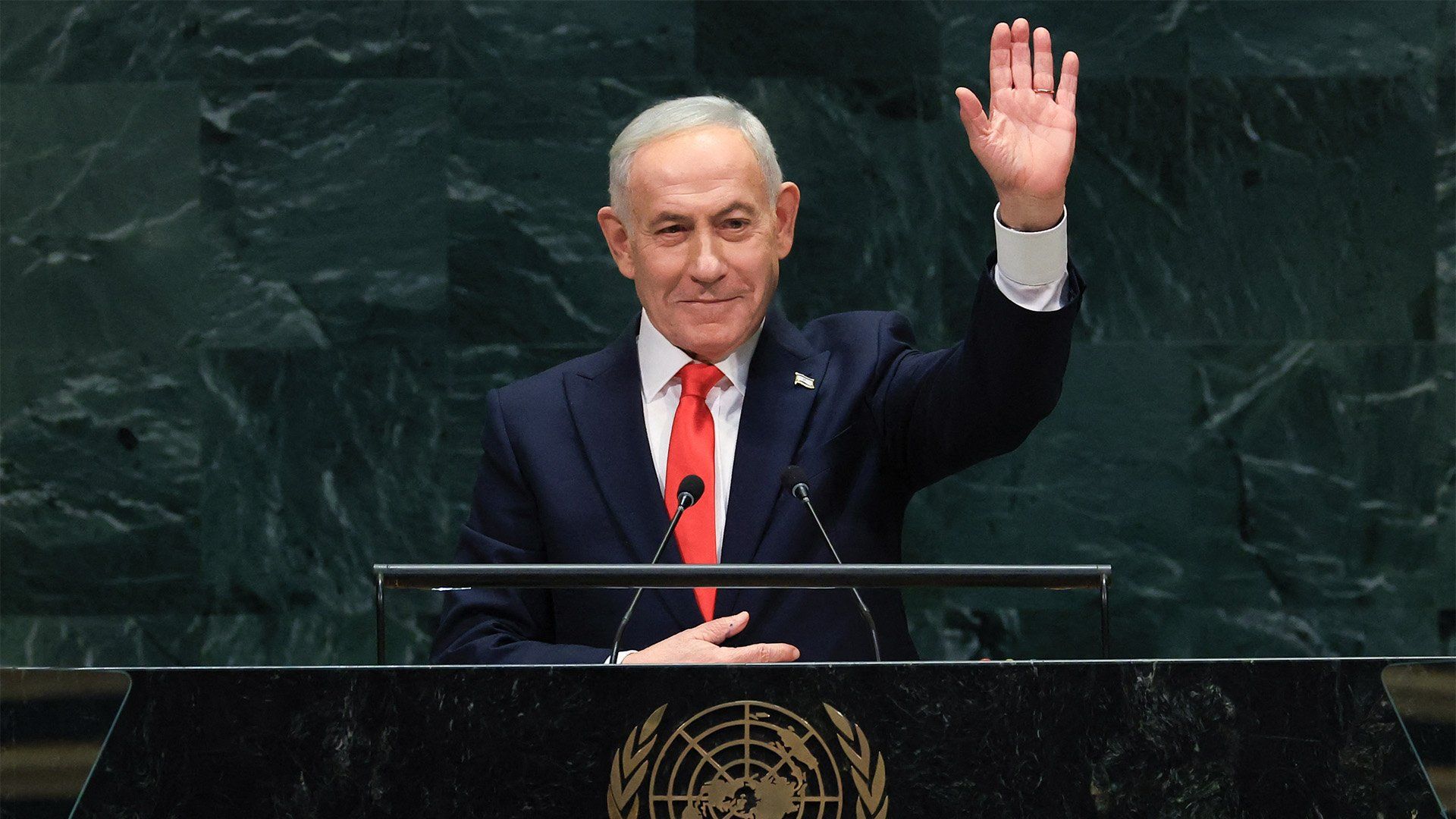
Netanyahu dismisses West Bank violence as actions of 'juvenile delinquents' during a UN speech, focusing on Israel's military success against Hezbollah.



Subscribe to
our news
Get the most important updates and top stories in your inbox.
