




 World29 Sept 2026
Drivers in the Philippines Stage Two-Day Strike Against Rising Fuel Prices
Philippine drivers strike over fuel price hikes, blaming international conflicts for economic strain as the government offers support for commuters.
Drivers Strike in the Philippines
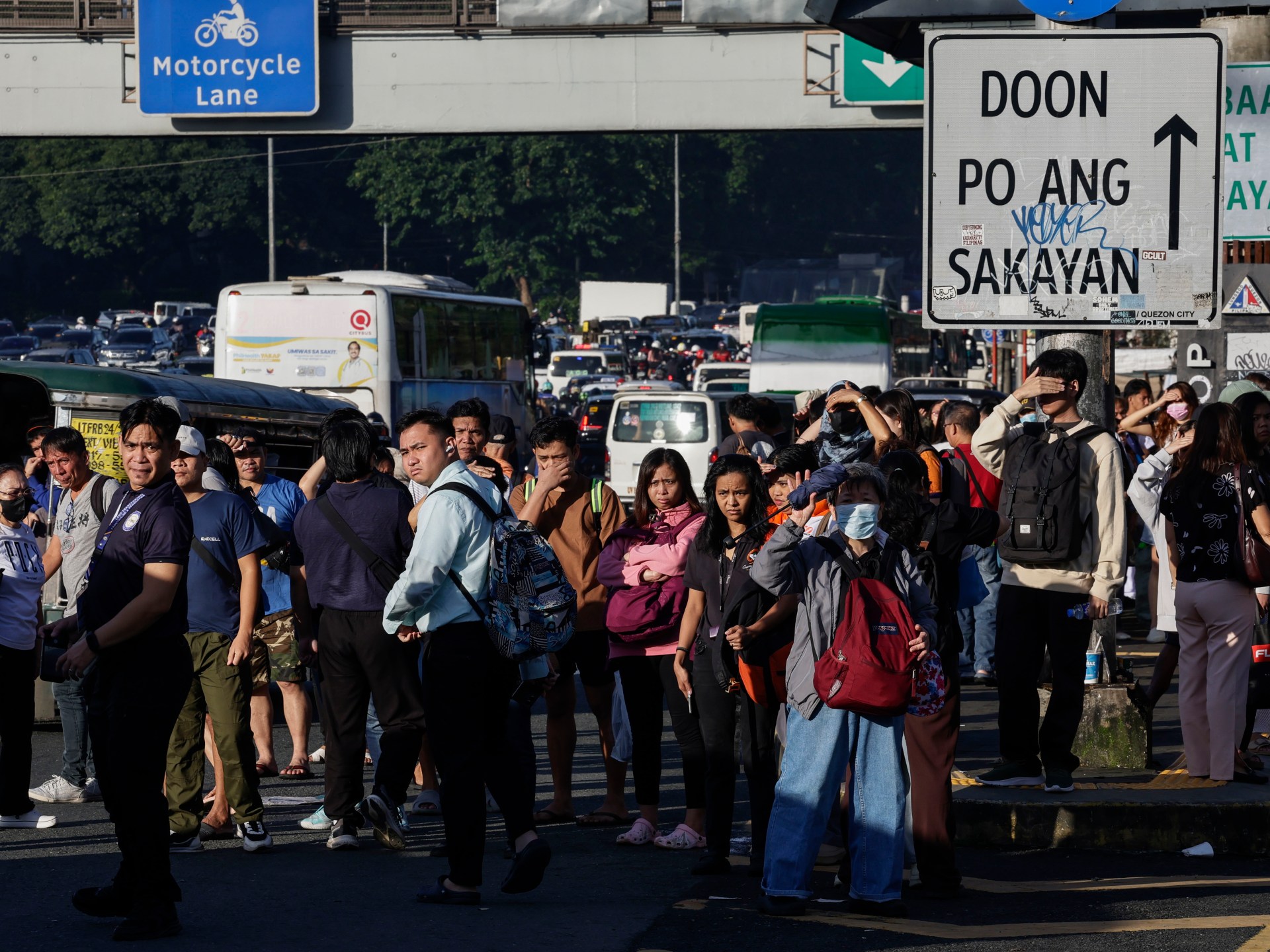
In a bold response to soaring fuel prices, thousands of public transport drivers across the Philippines have embarked on a two-day strike organized by the transport union Piston. The strike, which began on Tuesday, reflects the drivers' anger over the escalating costs, as they demand a reduction in fuel prices to 55 pesos ($0.88) per liter, a rate they argue was in place prior to the recent international conflicts.
Reasons Behind the Strike
The drivers attribute the surge in fuel prices to the ongoing US-Israel war on Iran, stating that this conflict has directly contributed to the economic hardships they are currently facing. According to Piston, “Fuel prices will continue to rise as long as the US persists in waging war.” This sentiment resonates with many drivers who struggle to meet their daily needs amidst rising operational costs and shrinking income.
Reports indicate that up to 70,000 drivers and operators are participating in the strike, bringing significant attention to the economic implications of fuel price hikes on ordinary Filipino citizens. National police officials have reported monitoring numerous demonstrations, with most protests drawing small crowds, suggesting a level of organization aimed at minimizing disruptions.
Government Response
In response to the strike, the Philippine government has deployed over 8,600 police personnel to assist stranded commuters and maintain peace, while also providing free rides to passengers in urban areas. The Department of Transportation has mobilized additional buses, particularly in the southeastern Bicol region, where many commuters have faced challenges.
The crisis comes on the heels of a national energy emergency declared in March due to relentless price increases driven by geopolitical conflicts affecting oil supply chains, particularly in the Strait of Hormuz.
Broader Economic Impact
The consequences of rising fuel prices are felt far and wide in Filipino communities, with many drivers experiencing a drastic drop in their daily wages. Reports suggest daily earnings have plummeted from about $10 earlier this year to less than $5 now, further straining their financial capacity against inflation that is pushing the prices of essential goods higher.
Commenting on the situation, Al Jazeera’s correspondent in Manila noted, “Many here say the inflation is actually bleeding communities,” highlighting a sentiment of frustration directed at the government’s handling of the economic crisis. There is a growing consensus among citizens that while international issues have contributed to the current situation, the Philippine government must take more responsible actions to address the needs of the people.
Calls for Reform
While the Piston union leads the current strike, another group, Manibela, had staged a similar protest earlier, demanding relief measures such as the removal of value-added tax and excise tax on fuel. Although Manibela paused their action to discuss these issues with authorities, the overarching demands for relief and accountability continue to resonate among transport workers.
The increasing tension reflects a larger discontent regarding economic policies and management within the country, where the reliance on imported oil exacerbates inflation and transport costs for many Filipinos. As the government navigates this crisis, the voices of the striking drivers serve as a critical reminder of the urgent need for solutions that prioritize the welfare of the nation’s working class.
Popular news
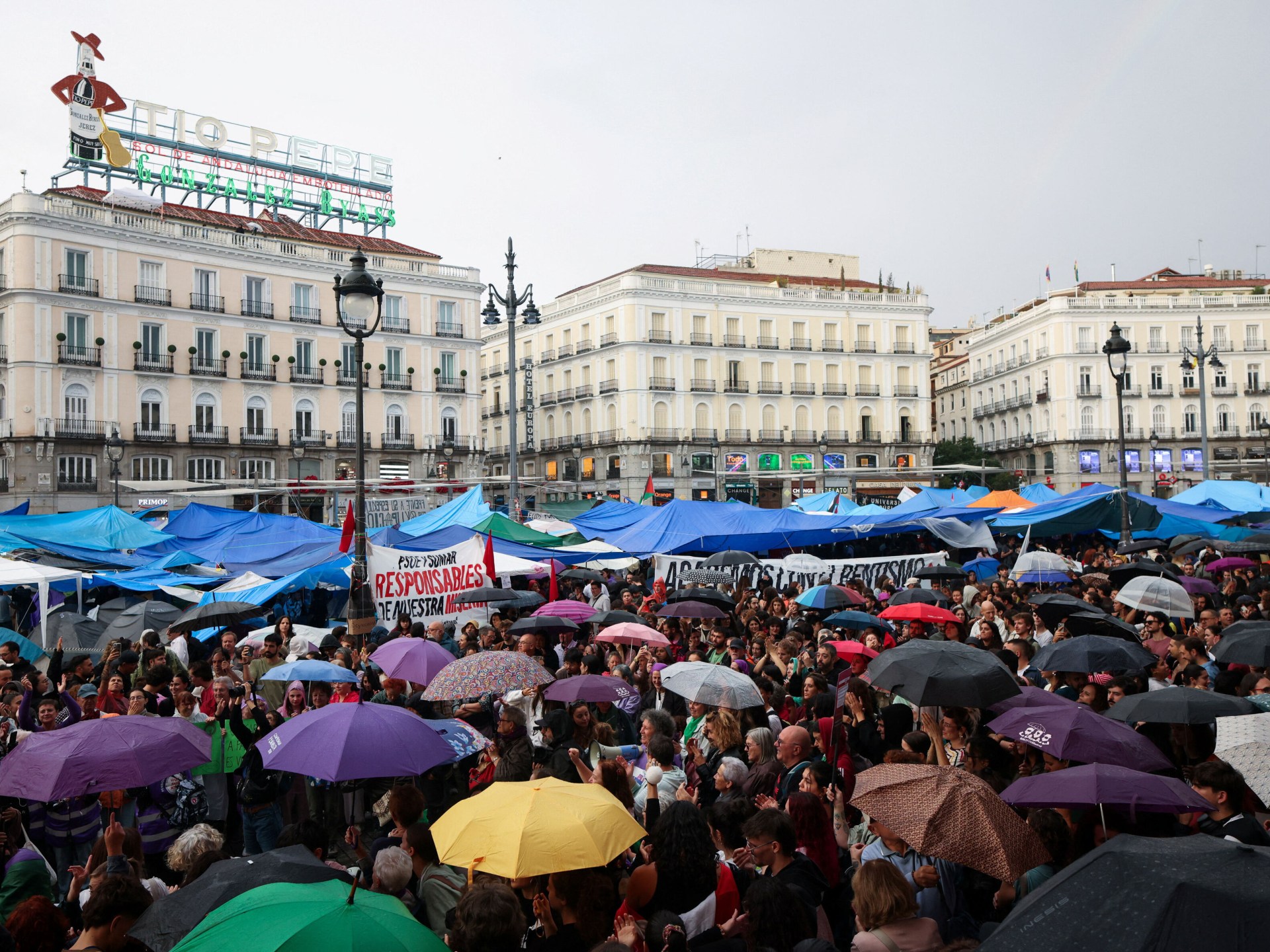
Protesters set up tent encampments in Madrid, demanding urgent government action amid a housing crisis affecting thousands.



Subscribe to
our news
Get the most important updates and top stories in your inbox.