




 Business31 May 2026
Elon Musk's Ambitious AI Satellite Project Faces Economic Hurdles
Experts caution that Elon Musk's plan for one million AI satellites could lead to SpaceX's financial crisis.
Introduction
Elon Musk's lofty vision to deploy one million AI data center satellites by 2028 is sparking concerns over a potential financial catastrophe for SpaceX. Experts warn that the projected costs could soar to an astounding $2 trillion, a figure that may exceed SpaceX's initial public offering (IPO) valuation slated for the near future.
The Cost of Ambition
According to Robert Zubrin, a prominent rocket designer, the financial implications of launching such a vast constellation of satellites are daunting.
"The cost could approach $2 trillion, which is almost the same as SpaceX's projected IPO valuation," Zubrin stated. He highlighted that the model would involve using similar technology as that employed for the 10,000 Starlink broadband satellites currently operational, which each carry a hefty price tag of $2 million to design and launch.
The Viability of Space-Based AI
Critics are skeptical about the economic feasibility of utilizing space for AI infrastructure. Zubrin noted that hosting advanced AI models like OpenAI's ChatGPT in orbit would be significantly more expensive than maintaining terrestrial data centers. He argues that developing the necessary infrastructure for such a venture is a fantasy given current and foreseeable launch costs.
While Musk envisions the operation of a million satellites providing AI-driven applications globally, experts like Brian Hurley—founder of the New Space Economy think tank—emphasize that the consensus within the research community is that economically viable orbital data centers will likely not materialize until the mid-2030s.
Challenges Ahead for SpaceX
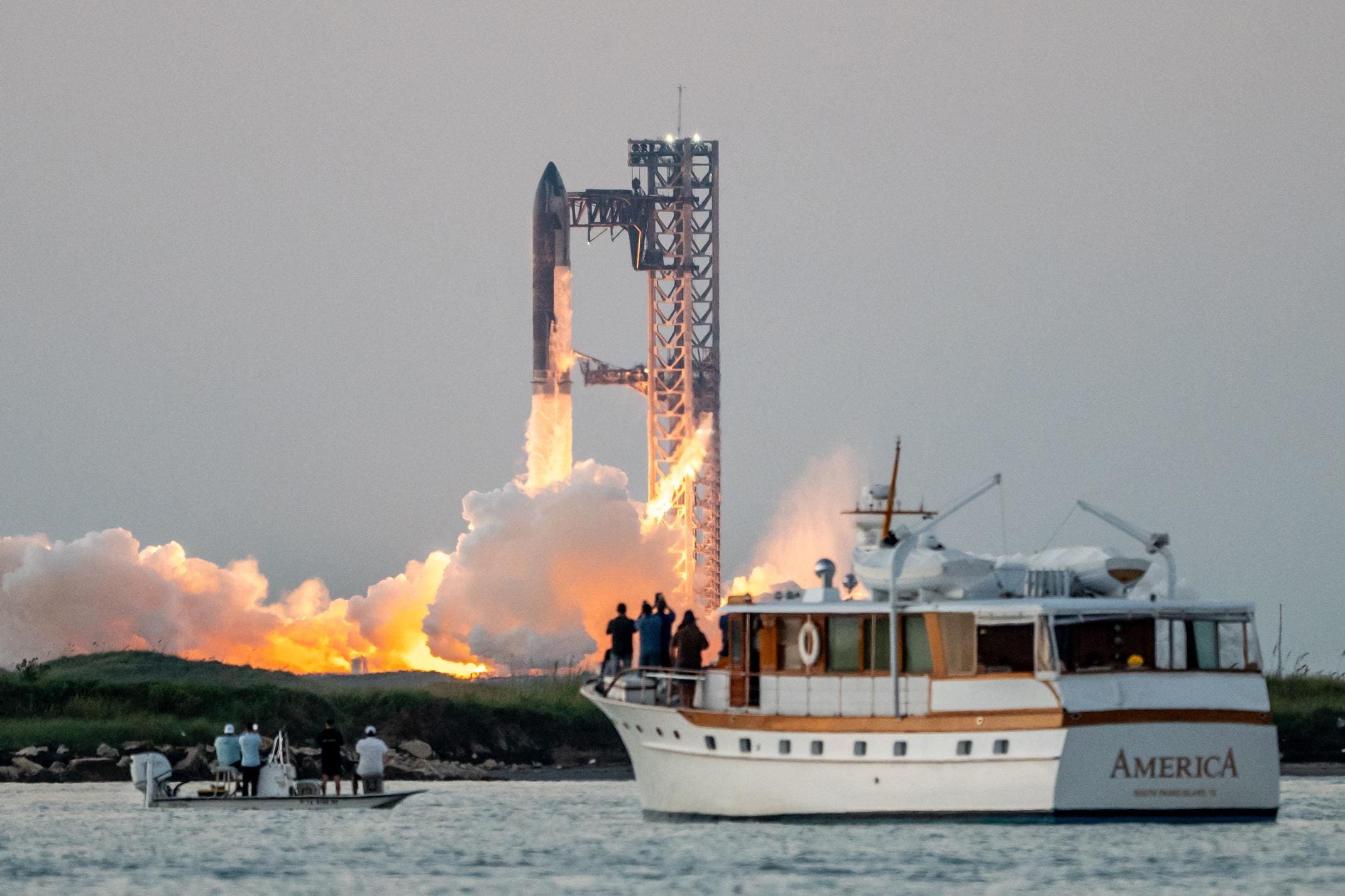
SpaceX has recently demonstrated its ambitious plans by successfully completing multiple Starship flight tests. However, the road to fulfilling Musk's vision of hourly satellite launches appears fraught with challenges.
The primary hurdle lies in reducing launch costs substantially, which have historically hampered large-scale solar power projects in space. Hurley pointed out that without a dramatic decrease in launch expenses, the economic model simply does not hold up.
Large-scale solar infrastructures in space currently remain unaffordable compared to terrestrial alternatives. Zubrin elaborated, stating that while each Starlink satellite generates 20 kilowatts, the cost per kilowatt is astronomically high at around $100,000. Comparatively, solar power from Earth-based systems vastly undercuts this expense.
The Broader Picture
Musk's intent to intertwine advancements in AI technology with space exploration could have implications far beyond immediate financial returns. Experts caution, however, that rushing into a massive constellation of AI satellites may risk draining resources and diverting attention from existing endeavors.
Zubrin has communicated these concerns directly to Musk, advising against such ambitious ventures without a solid economic foundation in place.
As excitement builds around the future of AI and its applications in space, the history of tech booms serves as a cautionary tale—highlighting the need for rigorous feasibility studies before embarking on grand technological pursuits.
Conclusion
While Musk’s vision for a network of AI satellites is undeniably ambitious and captures the imagination, the financial realities pose significant questions regarding the viability and sustainability of such a project. As the countdown to SpaceX's IPO continues, a reevaluation of priorities may be in order to avoid a potential financial nosedive in the quest for innovation.
Popular news
New York has declared a disaster emergency over rising measles cases, especially among under-immunized populations, with 108 confirmed cases.




Subscribe to
our news
Get the most important updates and top stories in your inbox.