




 Business22 Jun 2026
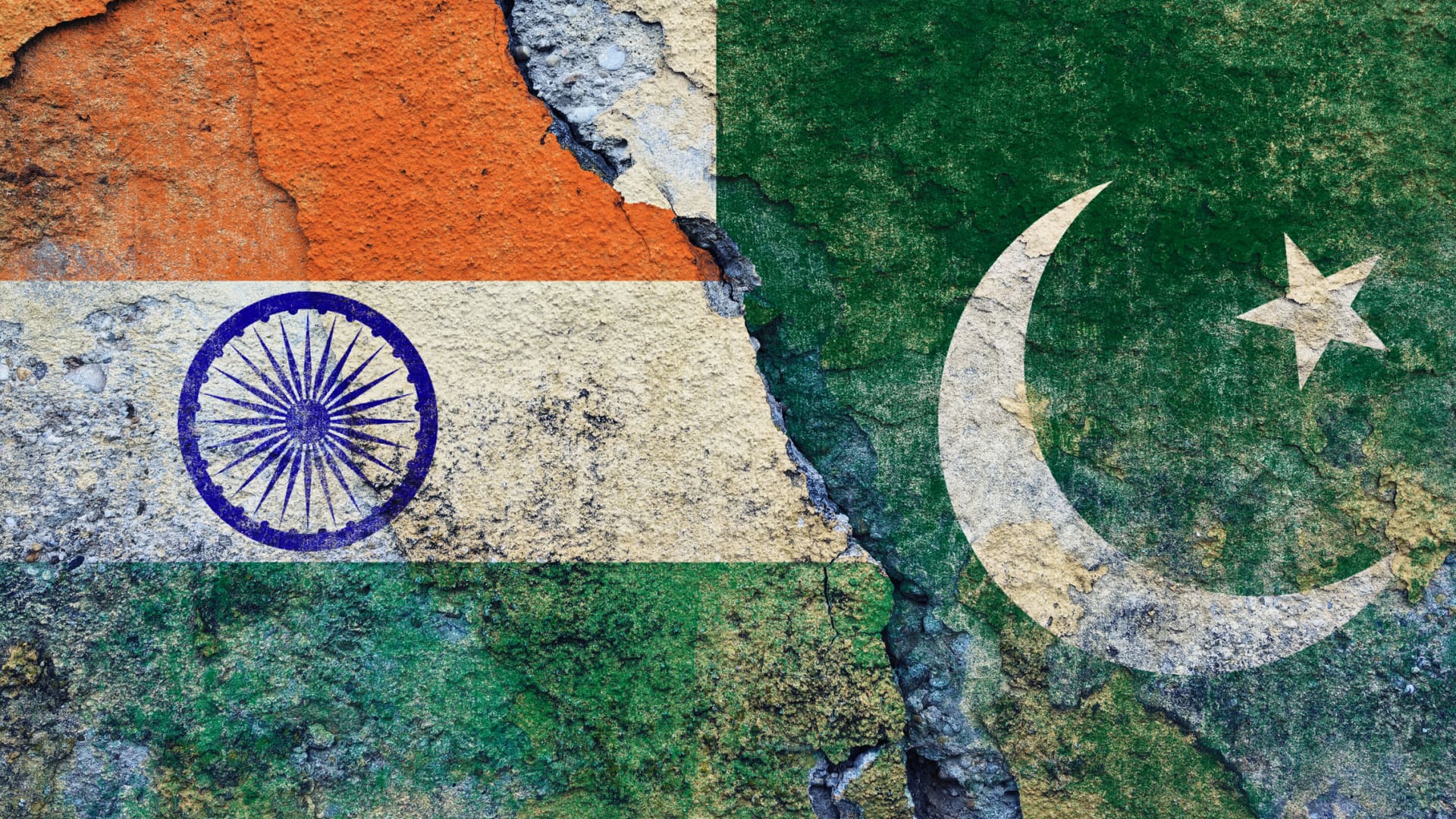
Escalating Tensions Over the Indus Water Treaty: A Flashpoint for India and Pakistan
As India considers suspending the Indus Water Treaty, tensions with Pakistan rise, highlighting critical water security issues in the region.
Renewed Tensions Between India and Pakistan
Tensions are escalating between India and Pakistan over the Indus Water Treaty, a critical 66-year-old agreement governing water access from the Indus River basin. Recently, Pakistan’s defense minister, Khawaja Muhammad Asif, issued a stark warning that water security might trigger war if Islamabad perceives its national interests are under threat.
Asif stated, "The moment we feel our national security is under threat, and water is part of our national security, we will go to war [with India]." However, he cautioned that the current situation does not warrant immediate military action.
The Indus Water Treaty: A Lifeline for Pakistan
In light of heightened political rhetoric, India is pushing towards suspending the Indus Water Treaty, which governs water distribution from the Indus River, suspended since last year’s military conflict between the two nuclear-armed nations. The Indian government has asserted that it will keep the treaty suspended until Pakistan ceases cross-border terrorism, a statement echoed by India’s water resource minister, C.R. Patil, who declared intentions to block water flow to Pakistan.
Water as a Tool of Coercion
Analysts highlight the dangerous potential of using water as a tool of coercion. According to Reema Bhattacharya, head of Asia research at Verisk Maplecroft, while India cannot immediately cease all water flows, the rhetoric suggests a shift towards leveraging water rights as a means of exerting pressure.
Critical Stakes for Pakistan
For Pakistan, the stakes are alarmingly high. The rivers of the Indus basin are vital for the country’s agriculture, energy production, and overall stability. A report from the Center for Strategic and International Studies notes that approximately 90% of Pakistanis reside within the Indus Basin, where the rivers irrigate more than 90% of the nation’s crops and generate a significant portion of its hydroelectric power through 21 plants located in the region.
Arpit Chaturvedi, a South Asia advisor at Teneo, notes, "These aren't marginal dependencies — they are load-bearing pillars of a fragile economy already in IMF (International Monetary Fund) bailout territory." He suggests that India does not need to completely halt water flows to inflict significant harm; instead, altering the timing of water releases could strategically flood or drought Pakistani farmlands, potentially leading to devastating agricultural losses.
The Window for Diplomacy Is Closing
As tensions persist, Pakistan has already communicated its concerns to India regarding abnormal flow variations on the Chenab River, indicating a pressing need for diplomatic discussions. Chaturvedi emphasizes that the time for a negotiated resolution is dwindling, underscoring the urgency of the situation as both nations navigate the complex water dispute against a backdrop of military tension and national security concerns.
Popular news
A small plane crash while touring the Nazca Lines in Peru has resulted in 13 fatalities, including tourists and crew.





Subscribe to
our news
Get the most important updates and top stories in your inbox.