




 World28 May 2026
EU Imposes Sanctions on Extremist Israeli Settlers in the Occupied West Bank
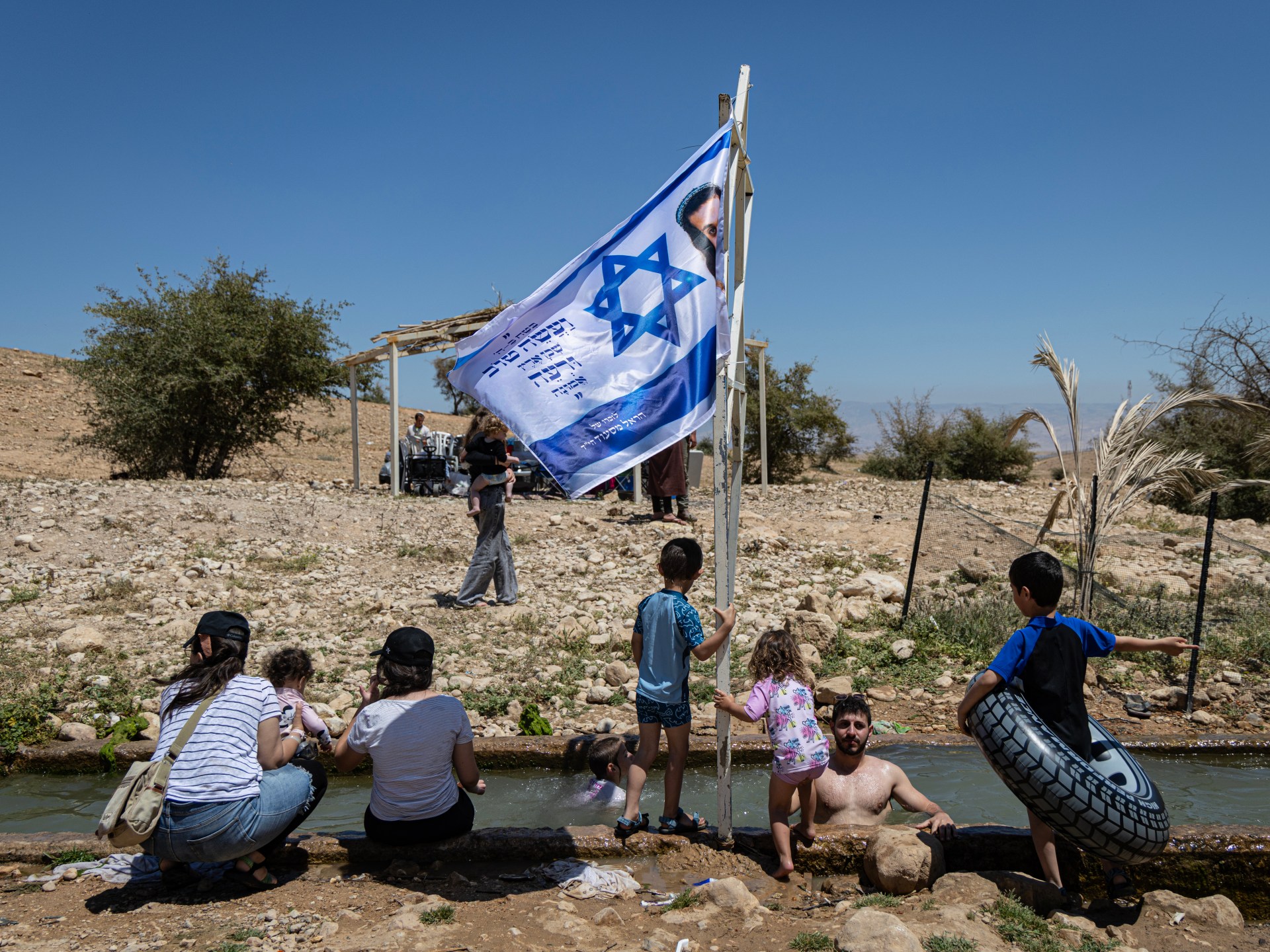
The EU has sanctioned extremist Israeli settlers for serious human rights abuses against Palestinians in the West Bank, targeting settlement groups.
EU Sanctions on Israeli Settlers
The European Union (EU) has announced sanctions against four entities and three individuals identified as extremist Israeli settlers in response to serious human rights abuses committed against Palestinians in the occupied West Bank. This significant move reflects the EU's ongoing commitment to addressing violations in accordance with its Global Human Rights Sanctions Regime.
Key Entities and Individuals Targeted
The sanctions specifically target several organizations, including the Nachala Settlement Movement, known for its encouragement of acts leading to the forced displacement of Palestinians. Its director, Daniella Weiss, is also included in the sanctions list. Alongside Nachala, the Regavim NGO and its leader, Meir Deutsch, have been sanctioned for advocating the demolition of Palestinian properties under the pretext of expanding Israeli control over the region. The EU has highlighted that this includes the demolition of an EU-funded primary school for Palestinian children.
Additionally, the Hashomer Yosh NGO and its president, Avichai Suissa, have been sanctioned for supporting numerous violent outposts and settlements that have perpetuated violence against Palestinians. The Amana cooperative association, tied to the Gush Emunim settler movement, has also faced punitive measures for its role in financing and facilitating settlement activities in the region.
Background and Context
The imposition of these sanctions comes after a prolonged period of debate within the EU regarding its stance on Israeli settlements. The sanctions were part of a wider package coinciding with the lifting of a veto previously imposed by Hungary under its former Prime Minister Viktor Orban. Recently, with the appointment of Peter Magyar as Prime Minister, Hungary's stance shifted, allowing these decisive actions to proceed.
In total, the EU's sanctions now encompass 136 individuals and 41 entities across various nations under its Global Human Rights Sanctions Regime, established to address severe human rights violations, including acts of genocide and crimes against humanity.
Reactions and Implications
The Israeli government has condemned the EU's sanctions, maintaining that Jewish settlement in the occupied West Bank is a legitimate right, despite widespread international consensus deeming these settlements unlawful. Reports indicate that the expansion of Israeli settlements surged in 2025, reaching unprecedented levels as monitored by the United Nations.
Since the beginning of recent escalations in the Gaza conflict, the West Bank has seen an alarming increase in violence involving both Israeli settlers and troops, with the UN reporting over 1,000 Palestinian deaths in the area. This grim reality underscores the urgent need for proactive international measures to safeguard human rights in the region.
As the EU continues to navigate these complex geopolitical issues, the sanctions signal a critical step toward holding individuals and organizations accountable for actions contributing to the ongoing humanitarian crisis in the occupied territories.
Popular news
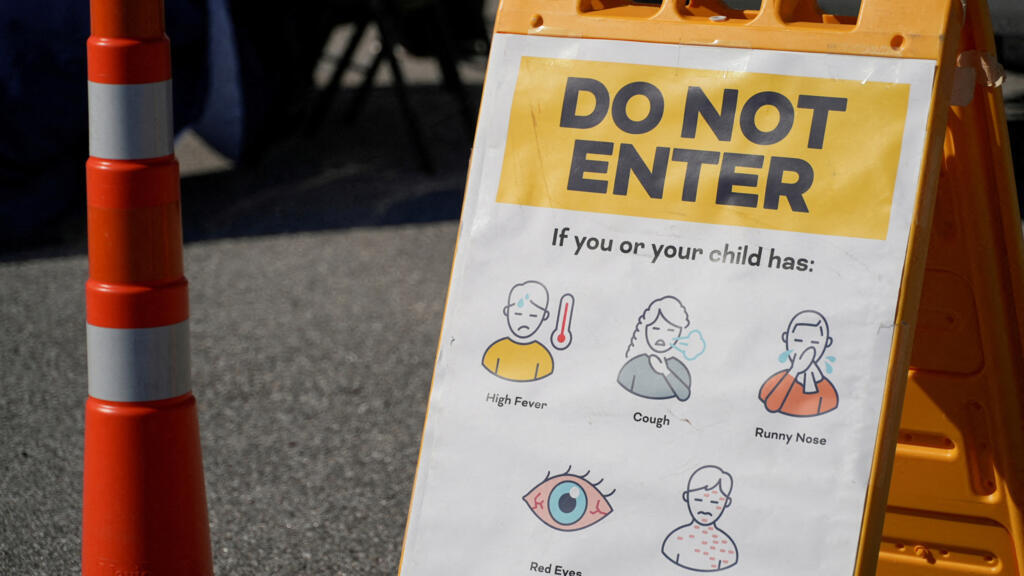
New York has declared a disaster emergency over rising measles cases, especially among under-immunized populations, with 108 confirmed cases.


Subscribe to
our news
Get the most important updates and top stories in your inbox.