 World20 Apr 2026
Europol Identifies 45 Forcibly Transferred Ukrainian Children Amid Ongoing Conflict
Europol identifies 45 Ukrainian children forcibly transferred amid war, revealing a deepening humanitarian crisis as investigations continue.
Europol's Investigation into Forced Transfers
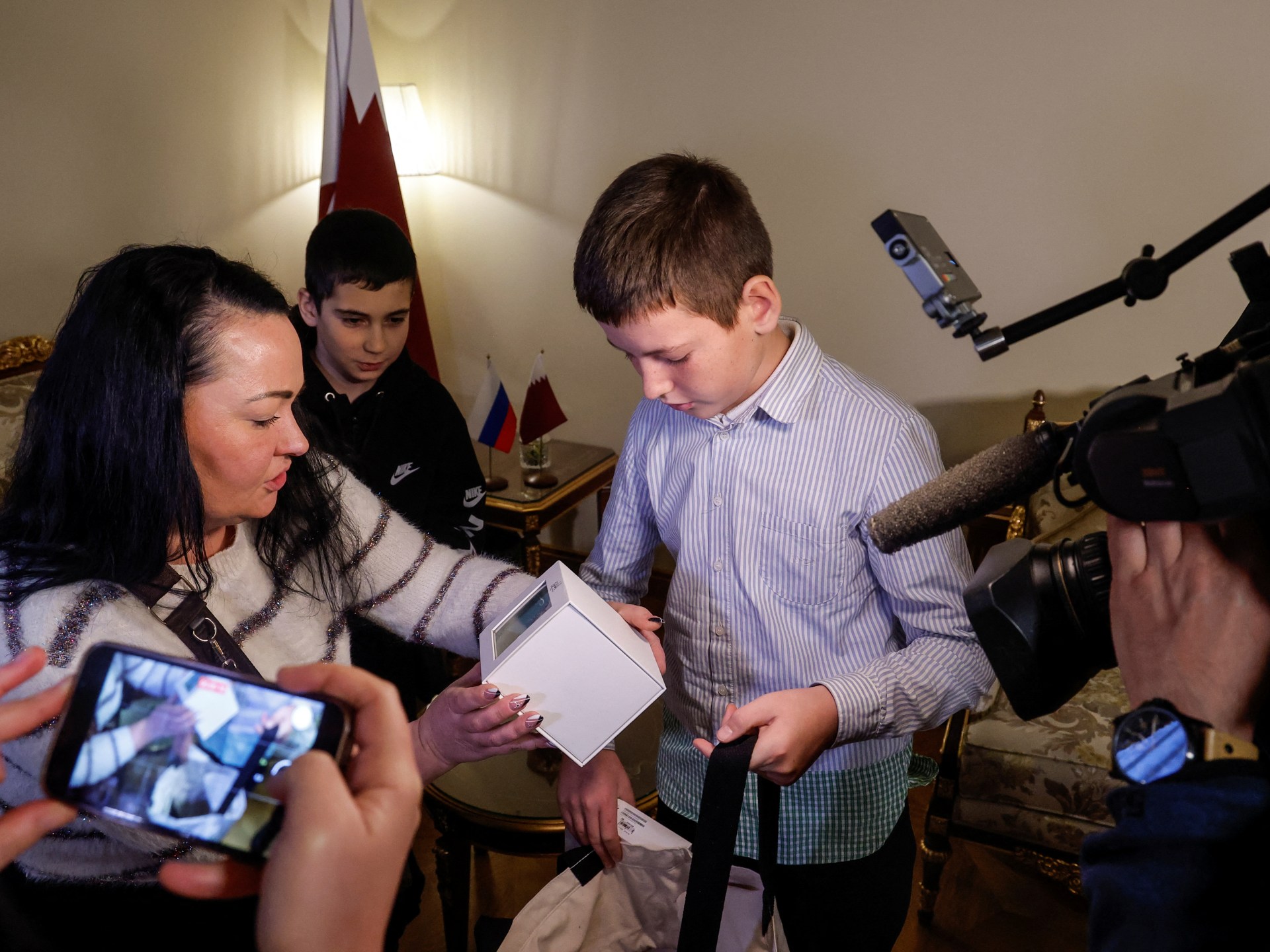
The European Union's law enforcement agency, Europol, has uncovered evidence indicating that 45 Ukrainian children have been forcibly transferred to Russia, Belarus, or occupied regions of Ukraine since the onset of the war in February 2022. This alarming update underscores the ongoing humanitarian crisis that has emerged from the conflict, further complicating peace negotiations between Ukraine and Russia.
Key Findings and Methodology
In a statement released on Monday, Europol confirmed that the details of the traced children were shared with Ukrainian authorities to assist in their investigations. The information was gathered during a two-day hackathon in The Hague, where over 40 experts, including representatives from the International Criminal Court (ICC), harnessed open-source intelligence (OSINT) techniques to identify the affected individuals.
According to Ukrainian government records, a staggering 19,546 children have been classified as taken since the invasion began. Reports indicate that some of these children are allegedly being adopted by Russian nationals, while others are being detained in re-education camps or psychiatric institutions.
Broader Context of Abductions
The issue of forcibly transferred children has gained international attention, with various organizations condemning the actions as potential crimes against humanity. A UN commission of inquiry has accused Russia of engaging in practices that violate human rights by deporting countless Ukrainian children and obstructing their safe return to Ukraine.
Notably, the ICC has issued arrest warrants against Russian President Vladimir Putin and children's rights Commissioner Maria Lvova-Belova, citing their involvement in the alleged war crimes tied to child deportation and transfer. Moscow has denied these allegations, insisting that the transfers were conducted for the safety of the children in conflict areas.
Ongoing Efforts and Future Implications
As the crisis develops, key Ukrainian officials emphasize the importance of international awareness and intervention. Daria Herasymchuk, an adviser to the Ukrainian president on children’s rights, pointed out the strategic implications of such actions, stating, "The aim is genocide of the Ukrainian people through Ukrainian children." This sentiment reflects a broader concern regarding the obliteration of cultural identity through the removal of younger generations.
Russia has expressed willingness to return the children but maintains that such actions must take place under conditions that they deem suitable. The complexity of the situation presents significant challenges for ongoing peace negotiations, where the fate of these children remains a focal point amidst the broader conflict.
Popular news
A small plane crash while touring the Nazca Lines in Peru has resulted in 13 fatalities, including tourists and crew.

Subscribe to
our news
Get the most important updates and top stories in your inbox.