




 Health28 Apr 2026
Exploring Neurodermatitis: Treatments Beyond the Conventional
Neurodermatitis treatment may involve antidepressants to curb itching, challenging conventional topical remedies. What does this mean for patients?
Understanding Neurodermatitis
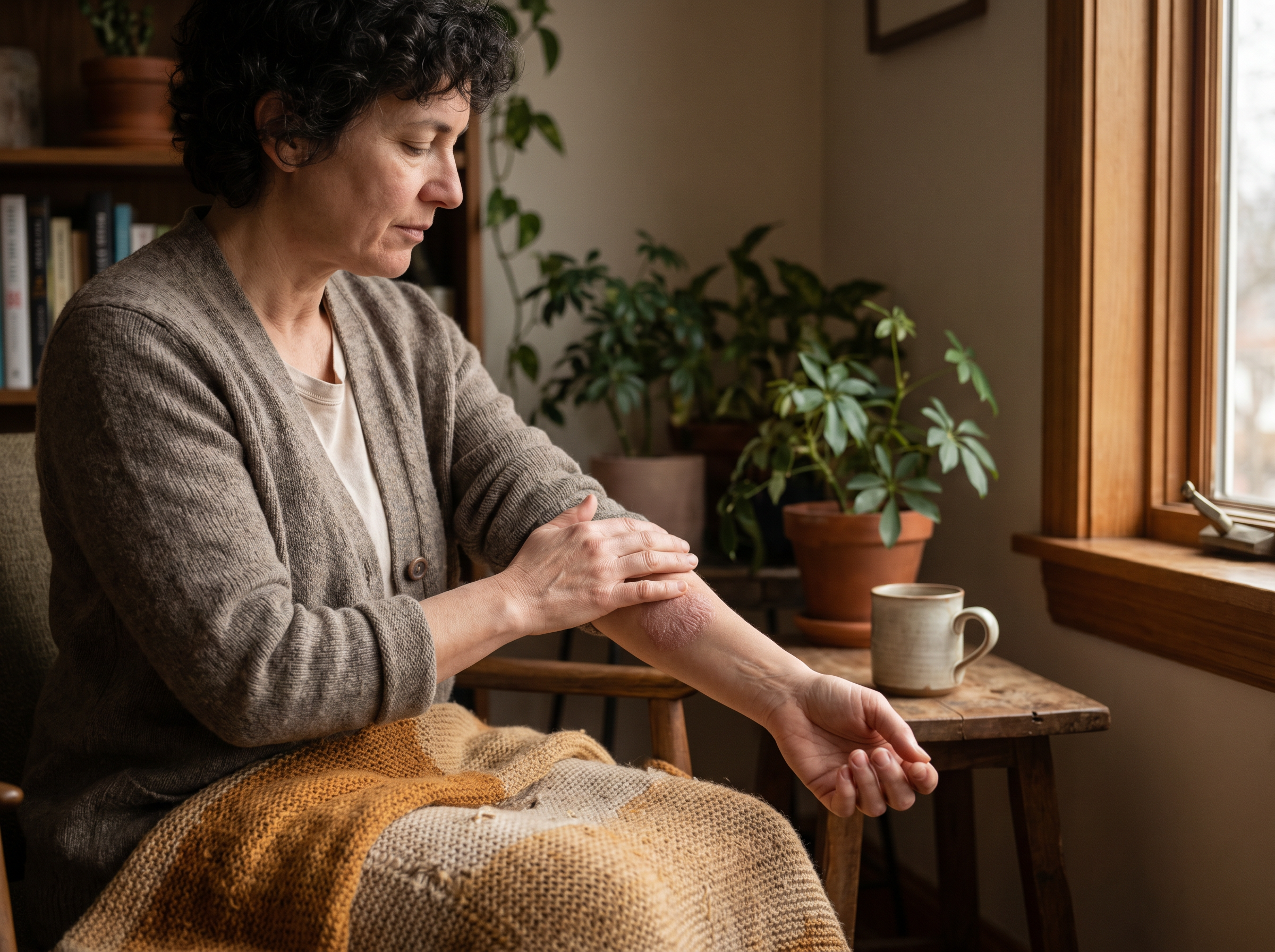
Neurodermatitis is a chronic skin disorder characterized by intense and persistent itching, often resulting in thickened, leathery patches of skin. This condition can profoundly affect a patient's quality of life, leading to physical discomfort and emotional distress. Many patients, like one with a decade-long skin rash, find themselves searching for effective treatments after trying numerous topical ointments with little to no relief.
Traditional Treatments
Topical Ointments
Typically, treatments for neurodermatitis include topical ointments that aim to moisturize the skin and reduce itching. Corticosteroids are often prescribed to help decrease inflammation. Other emollients may help in soothing the skin and reducing the urge to scratch. However, for some patients, these methods do not yield the desired results. The individual experience varies greatly, leading some to feel frustrated and skeptical about potential solutions.
The Role of Antidepressants
Interestingly, a growing body of medical professionals suggests an unconventional approach: the use of antidepressants to manage neurodermatitis. Antidepressants may help alleviate anxiety and depression, which are often linked to the condition, while also targeting the obsessive-compulsive behaviors associated with itching. This perspective can be surprising for patients who have had limited success with traditional treatments; the idea of utilizing mood-altering medication for a skin issue is not common.
Patient Perspectives
Skepticism in Treatment
Despite the recommendations, many patients express skepticism toward using antidepressants for skin-related issues. For those with longstanding conditions like neurodermatitis, the fear of side effects or dependency on medication can overshadow potential benefits. As one patient shared, their experience included a plethora of treatments over ten years with little progress, making the prospect of trying antidepressants seem daunting. The integration of mental health treatment into dermatological care brings about a new dialogue, challenging preconceived notions about how skin disorders should be treated.
Seeking Alternatives
Many individuals continue to seek alternative therapies, including lifestyle changes, stress management techniques, and natural remedies, alongside or in place of medications. This holistic view opens up discussions about improving one’s overall wellbeing as a way to manage chronic conditions.
Conclusion
Neurodermatitis represents a challenging skin condition that requires a multifaceted treatment approach. While traditional topical ointments play a significant role in managing symptoms, the emerging conversation around the use of antidepressants highlights the complex interplay between mental and physical health. Patients are encouraged to discuss all potential treatment avenues with their healthcare providers, ensuring a tailored approach that addresses both the psychological and dermatological aspects of their condition.
Popular news
A small plane crash while touring the Nazca Lines in Peru has resulted in 13 fatalities, including tourists and crew.





Subscribe to
our news
Get the most important updates and top stories in your inbox.