




 World13 Apr 2026
French Court Convicts Lafarge of Funding Terrorism in Syria
A French court found Lafarge guilty of financing terrorism in Syria, imposing fines and jail sentences on executives for supporting armed groups.
Major Ruling Against Lafarge
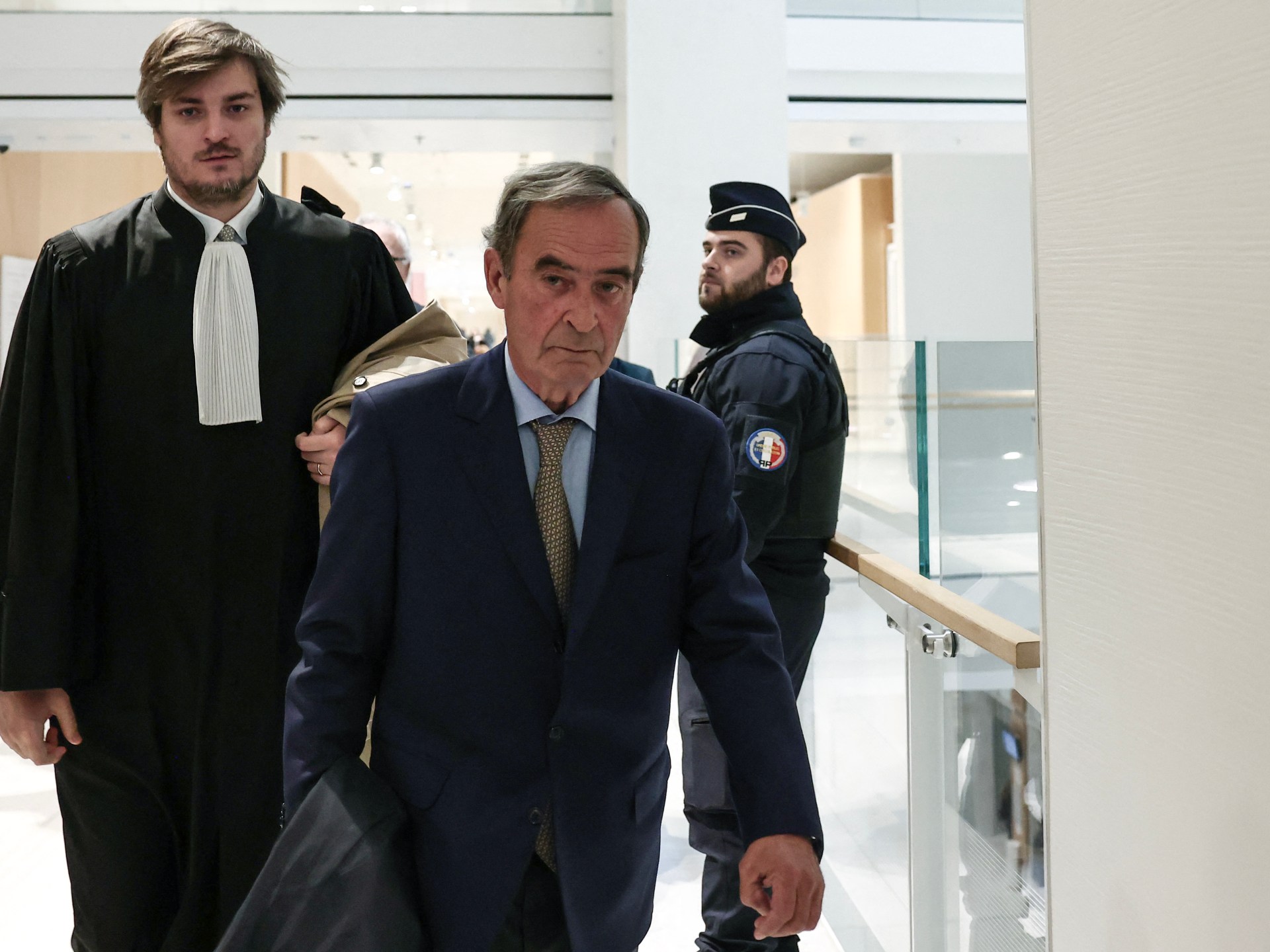
A French court has delivered a landmark ruling, convicting the cement giant Lafarge of financing terrorism during the Syrian civil war. The court imposed a fine of €1.12 million ($1.32 million), in addition to confiscating assets worth €30 million ($35.1 million).
Court Findings
The court found that Lafarge had paid approximately €5.59 million ($6.55 million) to various armed groups, including ISIL (ISIS) and the al-Nusra Front, to ensure the continued operation of its plant in Jalabiya, northern Syria, between 2013 and 2014. The payments were characterized as necessary protection money to maintain economic activities amidst the escalating conflict.
The presiding judge, Isabelle Prevost-Desprez, stated, "It is clear to the court that the sole purpose of the funding of a terrorist organisation was to keep the Syrian plant running for economic reasons. Payments to terrorist entities enabled Lafarge to continue its operations."
Sentences for Executives
In addition to the financial penalties imposed on the company, several former Lafarge executives have received prison sentences. Bruno Lafont, the former CEO, has been sentenced to six years in prison, while Christian Herrault, the former deputy managing director, was handed a five-year term. Other executives received various sentences ranging from one to seven years.
The case is unprecedented in France, marking the first time a corporation has been tried and convicted for financing terrorism. Although Lafarge acknowledged its past actions, it indicated plans to appeal the court's decision.
Context of Payments to Armed Groups
According to the court, payments made by Lafarge contributed to the empowerment of groups responsible for violent actions in the region. The funds included large sums allocated for safe passage and sourcing materials from quarries controlled by terrorist entities. More specifically, over €800,000 ($937,000) was used to secure safe travel routes, while €1.6 million ($1.87 million) went towards purchasing raw materials from ISIL-controlled areas.
Lafarge, which is now part of Swiss conglomerate Holcim, had previously acknowledged in a 2022 ruling that it had paid nearly €13 million ($15.2 million) to middlemen to keep its Syrian facility operational amidst the turmoil.
Implications and Ongoing Legal Matters
This ruling comes after a lengthy legal battle that has seen Lafarge sought to defend its actions during a troubled period. The conviction by the Paris court follows another court's earlier ruling holding the company accountable for crimes against humanity linked to its conduct in Syria.
In the U.S., Lafarge also confessed to payments made to ISIL and al-Nusra Front, resulting in a significant financial settlement. The recent French verdict is indicative of the increased scrutiny companies face in relation to their operations in conflict zones and highlights the serious consequences for corporate failures in adhering to ethical standards.
Lafarge has stated it is committed to addressing the issues that stem from its past and will analyze this latest court decision thoroughly as it navigates lingering legal challenges regarding its actions in Syria.
Popular news
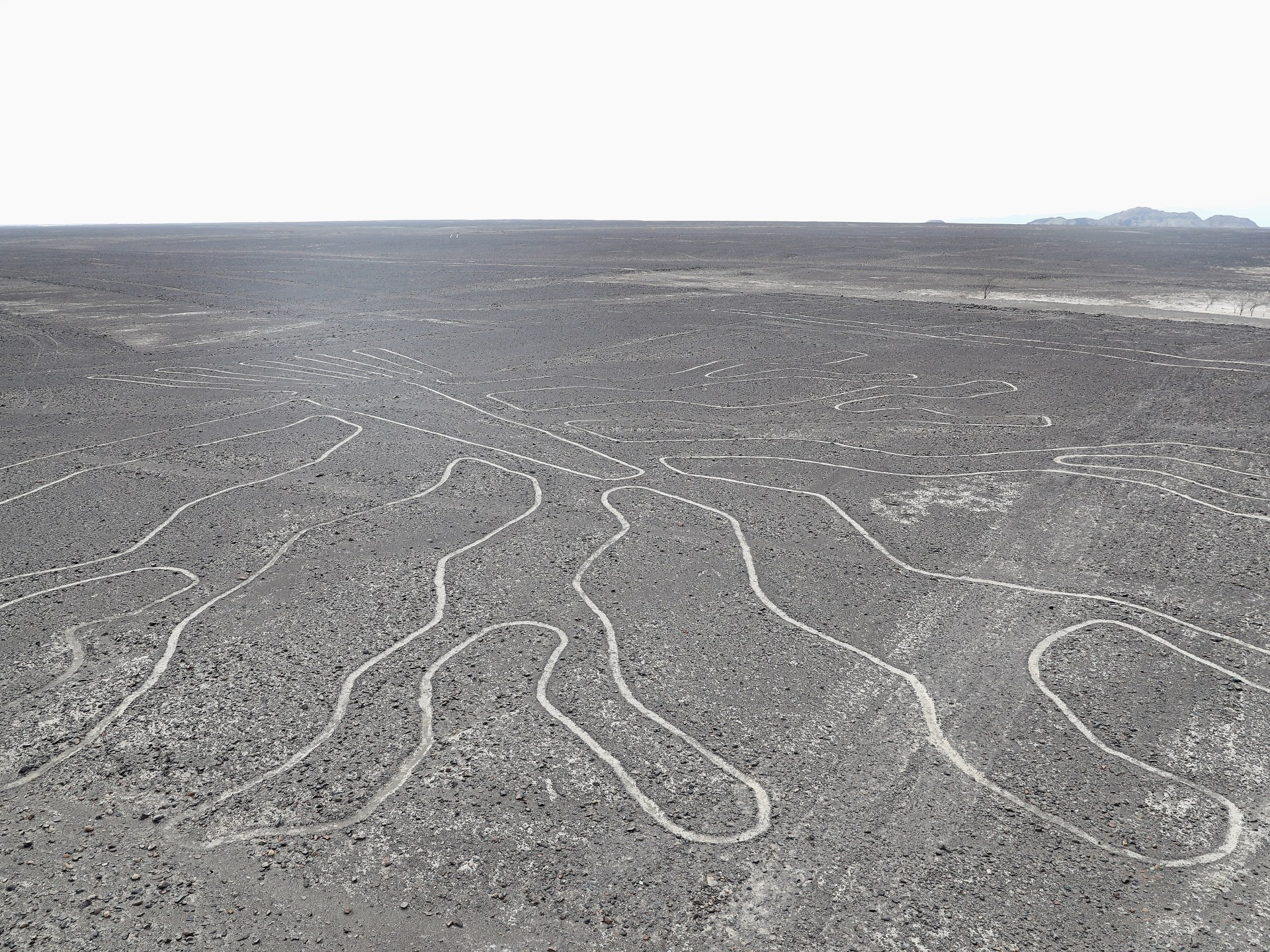
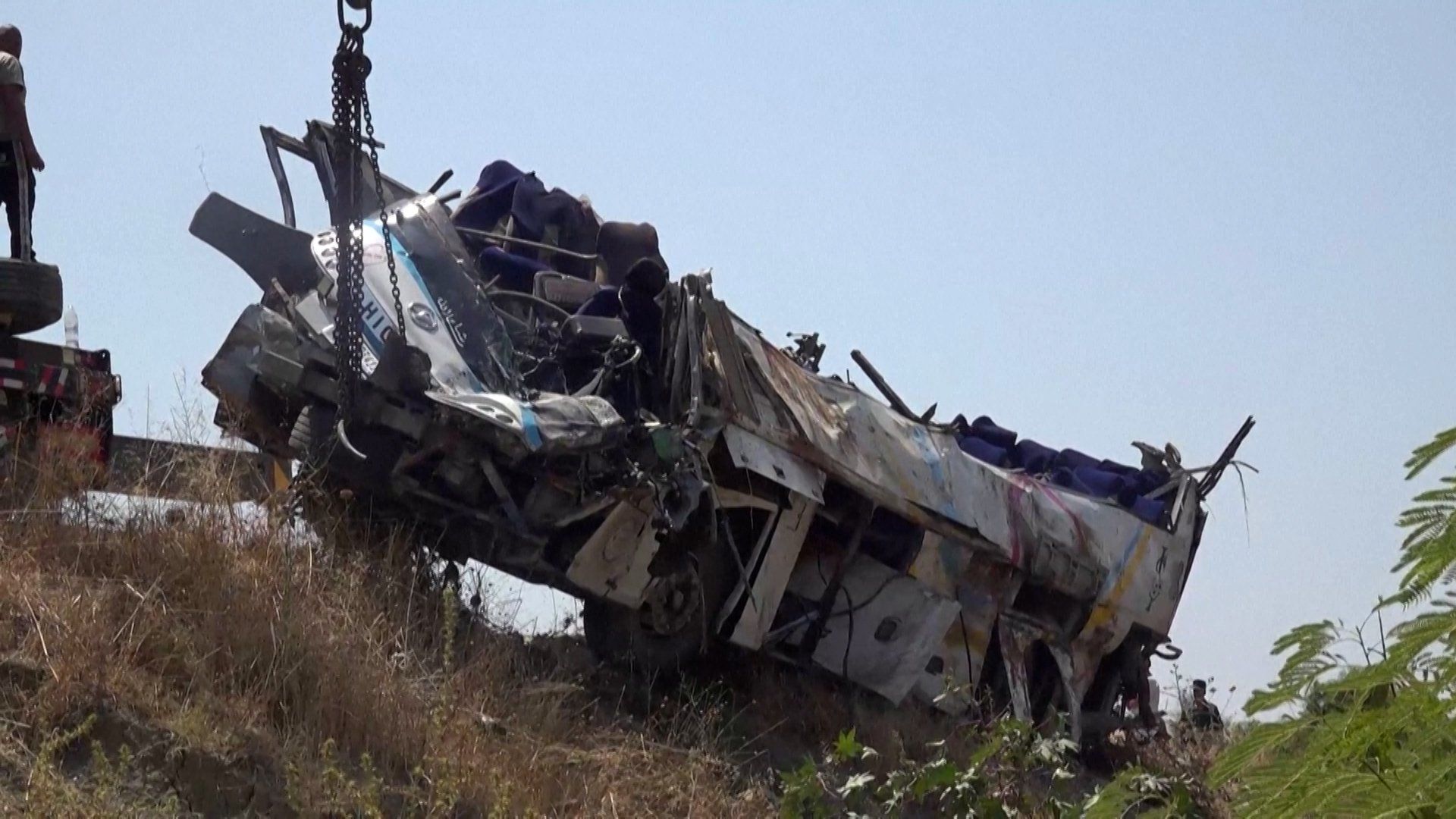
A small plane crash while touring the Nazca Lines in Peru has resulted in 13 fatalities, including tourists and crew.


Subscribe to
our news
Get the most important updates and top stories in your inbox.