 World30 Apr 2026
Germany's Economy Surprises with Growth Despite Iran War Impacts
Germany's economy grew by 0.3% in Q1 2026 despite rising energy costs from the Iran war, while Volkswagen faced a 28.4% profit drop.
Unexpected Growth in Germany's Economy
Germany's economy has surprisingly expanded by 0.3% in the first quarter of 2026, defying expectations amid escalating energy costs and market uncertainties stemming from the ongoing conflict between the US-Israeli coalition and Iran. This growth was primarily fueled by increased spending from both private and government sectors, accompanied by a modest rise in exports.
Context of Economic Growth
In a report released by the Federal Statistics Office, it was revealed that the growth figure, while modest, indicates a resilience in Germany's economic landscape given the current geopolitical tensions.
According to year-on-year adjustments, the country’s gross domestic product (GDP) increased by 0.5% in price-adjusted terms and 0.3% when factoring in seasonal variations. However, this growth comes amid rising costs, particularly in energy, impacting both consumer behavior and business investments significantly.
The ongoing conflict that began on February 28, 2026, when Iran closed the strategically vital Strait of Hormuz, has heightened energy prices worldwide, further stressing the economic environment in Germany. Despite the growth, business sentiment has taken a hit, evidenced by a significant decline in a key business index in April, prompting economists to lower their growth forecasts for the remainder of the year.
Volkswagen's Struggles Amid Market Challenges
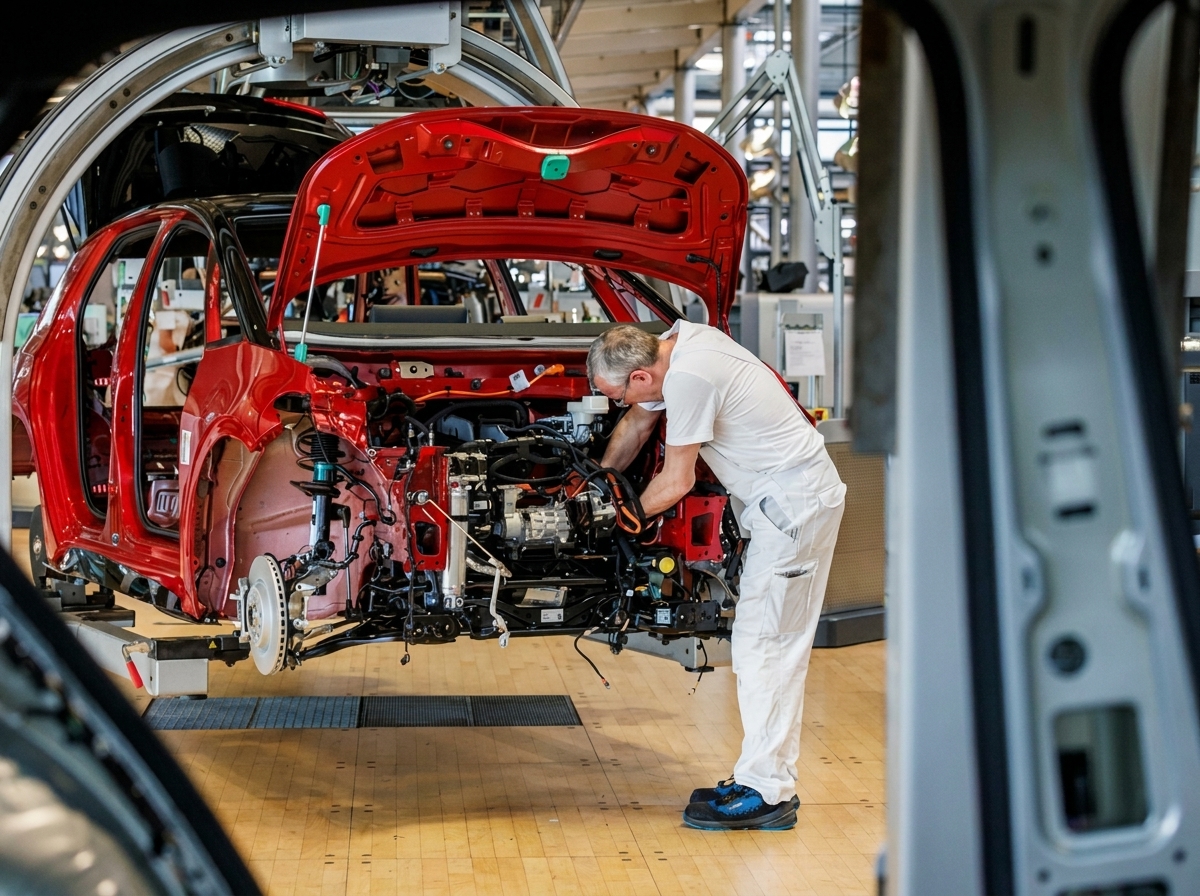
While broader economic indicators show growth, not all sectors are thriving. Volkswagen (VW), one of the world's largest automotive manufacturers, reported a staggering 28.4% decline in net profits during the first quarter of 2026. The company's net profit dropped to €1.56 billion ($1.82 billion), a sharp fall influenced by reduced global demand for vehicles, exacerbated by trade barriers and intensified competition in the market.
"Wars, geopolitical tensions, trade barriers, stricter regulations, and fierce competition are creating headwinds for our operations," noted CEO Oliver Blume in a company statement. The decline in deliveries, down by 4% to 2.05 million vehicles, particularly from key markets such as China and the US, has forced Volkswagen to reconsider its strategies moving forward.
Volkswagen executives, including Finance Chief Arno Antlitz, highlighted that rising tariffs are contributing an additional €4 billion to operational costs, making it imperative for the company to accelerate its savings efforts and rethink its business model to achieve profitability in the challenging landscape. Furthermore, the company has announced plans to cut approximately 50,000 jobs in Germany by 2030 in response to the ongoing pressures.
Looking Ahead
As Germany navigates its way through these turbulent times, the outlook remains cautious. The slight growth observed provides a glimmer of hope, yet the challenges posed by external conflicts and rising costs cannot be overlooked. The business community and policymakers are keeping a close eye on upcoming economic data, which will help gauge the sustainability of this growth trajectory in the face of persistent global uncertainties.
Popular news
A small plane crash while touring the Nazca Lines in Peru has resulted in 13 fatalities, including tourists and crew.




Subscribe to
our news
Get the most important updates and top stories in your inbox.