 World24 Apr 2026
Global Hunger Report Highlights Soaring Malnutrition and Famine Risks
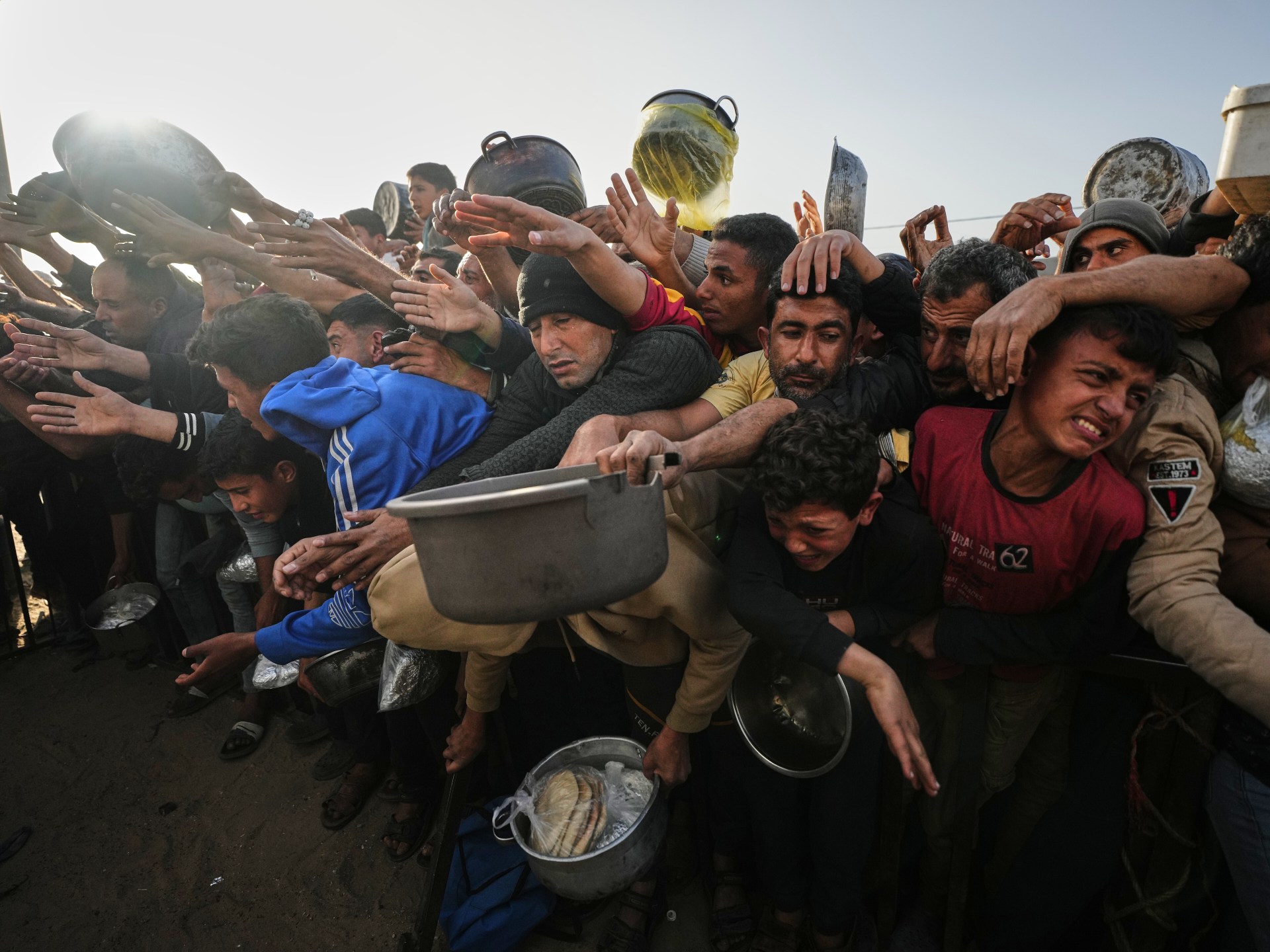
Conflict and violence push global hunger to alarming levels, with 266 million facing acute food insecurity in 2025, according to a new report.
Rising Hunger and Malnutrition Globally
A stark new report from the Global Report on Food Crises 2026 underscores the escalation of hunger and malnutrition worldwide, linked primarily to conflict and violence. Nearly 150 million people were affected by acute hunger in 2025, with famine confirmed in regions of both Gaza and Sudan—a first dual confirmation since famine reporting began.
Overview of the Crisis
According to the report, approximately 266 million people, or 22.9 percent of the population in 47 countries experiencing food crises, faced acute food insecurity last year. This marks a slight increase from 22.7 percent in 2024, but nearly doubles the 11.3 percent recorded in 2016. The alarming trend signifies an ongoing humanitarian crisis, with reports indicating that food insecurity has exceeded 20 percent continuously since 2020.
Famine Confirmed
Famine, defined as the most severe classification under the Integrated Food Security Phase Classification (IPC) system, was reported in parts of the Gaza Strip and Sudan. The IPC categorizes famine conditions based on criteria such as severe food shortages affecting more than 20 percent of households and acute malnutrition impacting over 30 percent of the population. The Gaza Strip, with 640,700 people—32 percent of its population—was reported as the most severely affected, followed closely by Sudan, where 637,200 people faced similar conditions.
Key Drivers of Hunger
Conflict remains the most significant factor contributing to hunger, impacting about 147.4 million people across 19 countries. A review of contributors to food crises reveals:
- Weather extremes: Affecting 87.5 million people in 16 countries.
- Economic shocks: Leading to food insecurity for 29.8 million in 12 countries.
These findings coincide with a decline in humanitarian and development financing for addressing food crises, which has receded to levels last seen during 2016-2017.
Humanitarian Challenges Ahead
The report highlights a troubling projection for 2026, with critical levels of food insecurity anticipated in various regions, particularly those impacted by ongoing conflicts. Without significant intervention to address these underlying issues, fragile countries will disproportionately shoulder the burden of global hunger in the coming years.
Impact on Children and Families
The humanitarian situation is particularly dire for vulnerable populations. In 2025, an estimated 35.5 million children across 23 countries experienced acute malnutrition, including almost 10 million suffering from severe acute malnutrition, the most life-threatening form. Additionally, about 9.2 million pregnant and breastfeeding women faced acute nutritional challenges. The escalating displacement crises only exacerbate these conditions, as 85.1 million individuals remain forcibly displaced globally, with a majority being internally displaced.
Conclusion
The findings of the Global Report on Food Crises 2026 call for urgent global action to combat rising malnutrition and prevent further famine in affected regions. With conflict, violence, and dwindling humanitarian aid as underlying drivers, the international community must respond decisively to alleviate one of the most pressing humanitarian crises of our time.
Popular news
A small plane crash while touring the Nazca Lines in Peru has resulted in 13 fatalities, including tourists and crew.




Subscribe to
our news
Get the most important updates and top stories in your inbox.