




 World27 Apr 2026
Global Military Spending Reaches Record High in 2025
Global military spending hits nearly $2.89 trillion in 2025, marking a record high as nations respond to ongoing geopolitical tensions.
Record Military Spending in 2025
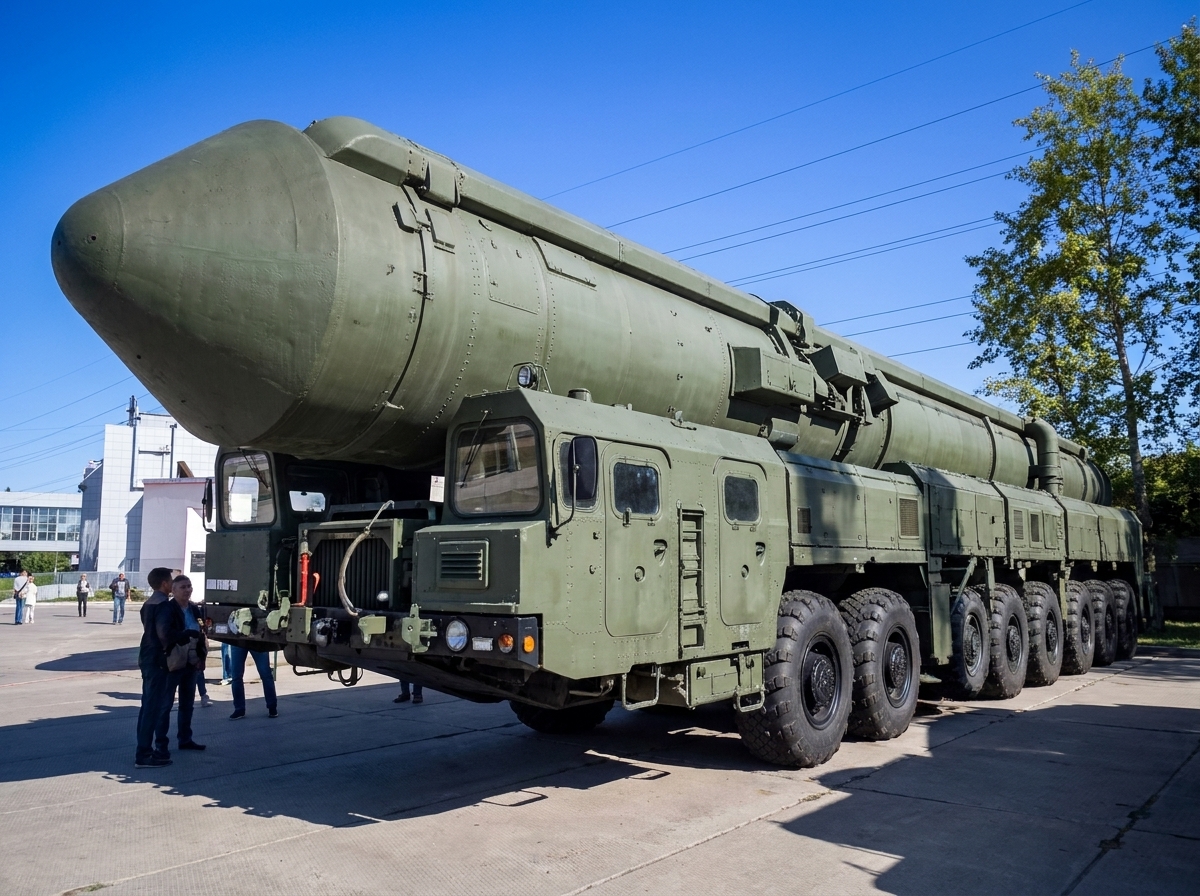
The Stockholm International Peace Research Institute (SIPRI) has released a report indicating that global military spending has surged to almost $2.89 trillion in 2025, signifying a 41% increase over the past decade and marking the 11th consecutive year of growth. This rise is largely driven by escalating global conflicts and geopolitical tensions.
Key Findings from the Report
The report highlights that after adjusting for inflation, military expenditures increased by 2.9% year-on-year. Notably, this growth rate is slower compared to 2024, due primarily to the United States reducing its military aid to Ukraine, despite increasing allocations for its own nuclear and conventional capabilities.
Diego López da Silva, a senior researcher at SIPRI, noted that the United States remains the largest military spender by a wide margin, with expectations of further increases in its defense budget following recent announcements of future expenditure plans.
The Surge in European Military Budgets
One of the most significant factors contributing to the overall increase is the sharp rise in European military spending. In 2025, overall military expenditures across Europe rose by 14%. This trend is influenced by concerns over the reliability of the U.S. as a NATO partner, prompting European governments to bolster their defense capabilities amidst a deteriorating international environment.
Leading this charge is Germany, which saw its military spending jump by 24% to $114 billion, for the first time surpassing NATO's guideline of 2% of GDP since 1990. A total of 22 NATO member states have met this requirement, reflecting heightened commitment to defense.
Continued Military Investments Amid Ongoing Conflicts
Both Russia and Ukraine recorded further increases in military spending in their fourth year of conflict, with Ukraine allocating nearly 40% of its GDP to defense, marking a significant commitment as the war persists. This spending includes over 60% of government expenditures directed towards military needs.
In comparison, military spending in the Middle East saw only slight increases in 2025. In Israel, defense spending decreased, attributed to a reduction in military activity in Gaza following a ceasefire agreement with Hamas in January 2025. Meanwhile, in Iran, military expenditures, when adjusted for inflation, fell due to challenging economic conditions; however, actual spending reportedly rose when excluding inflationary pressures.
Zubaida Karim, another expert at SIPRI, emphasized that official figures likely underestimate Iran's real military expenditure, suggesting that the country funds its military through off-budget oil revenues for activities including missile and drone production.
Future Trends in Global Military Spending
López da Silva anticipates that this upward trajectory in military spending will continue into 2026, given the multitude of ongoing conflicts and geopolitical instability worldwide. He argues that it is difficult to foresee conditions improving enough in a single year to reverse this trend.
SIPRI's annual report on global military expenditures remains the most comprehensive dataset of its kind, encompassing not only budget figures but also military personnel costs, military aid, and research and development in the defense sector.
Popular news
A small plane crash while touring the Nazca Lines in Peru has resulted in 13 fatalities, including tourists and crew.




Subscribe to
our news
Get the most important updates and top stories in your inbox.