




 World30 Apr 2026
Global Press Freedom Declines to Lowest Point in 25 Years
Press freedom has fallen worldwide to its lowest level in 25 years, with over half of assessed countries facing serious restrictions, RSF reports.
Global Press Freedom Faces Unprecedented Decline
In shocking developments, Reporters Without Borders (RSF) has announced that global press freedom has reached its lowest level in 25 years. For the first time since the organization began publishing its annual World Press Freedom Index in 2002, more than half of the 180 countries evaluated are classified as having ‘difficult’ or ‘very serious’ conditions for journalism.
Disturbing Trends in the Industry
The losses in press freedom are attributed to escalating criminalization of journalists, violent conflicts, and oppressive government actions. Regions like Eastern Europe and the Middle East are identified as particularly hazardous for media representatives. Norway, the Netherlands, and Estonia are the only three countries that enjoy a ‘good’ status for press freedom in this grim assessment. More troubling is the grim reality that more than 60% of assessed countries have enacted laws that criminalize media work in various forms.
According to RSF, “journalism is increasingly criminalized worldwide,” with countries employing various strategies to suppress the free flow of information.
Regional Highlights
Among those countries at the bottom of the index, Russia sits at 172nd and Iran at 177th. The organization noted that Eastern Europe and the Middle East have long been perilous for journalists, repeatedly placing many nations from these regions in the lower rankings. For instance, Israel ranks 116th, influenced significantly by the ongoing violence against journalists in conflict zones in Gaza, the occupied West Bank, and Lebanon.
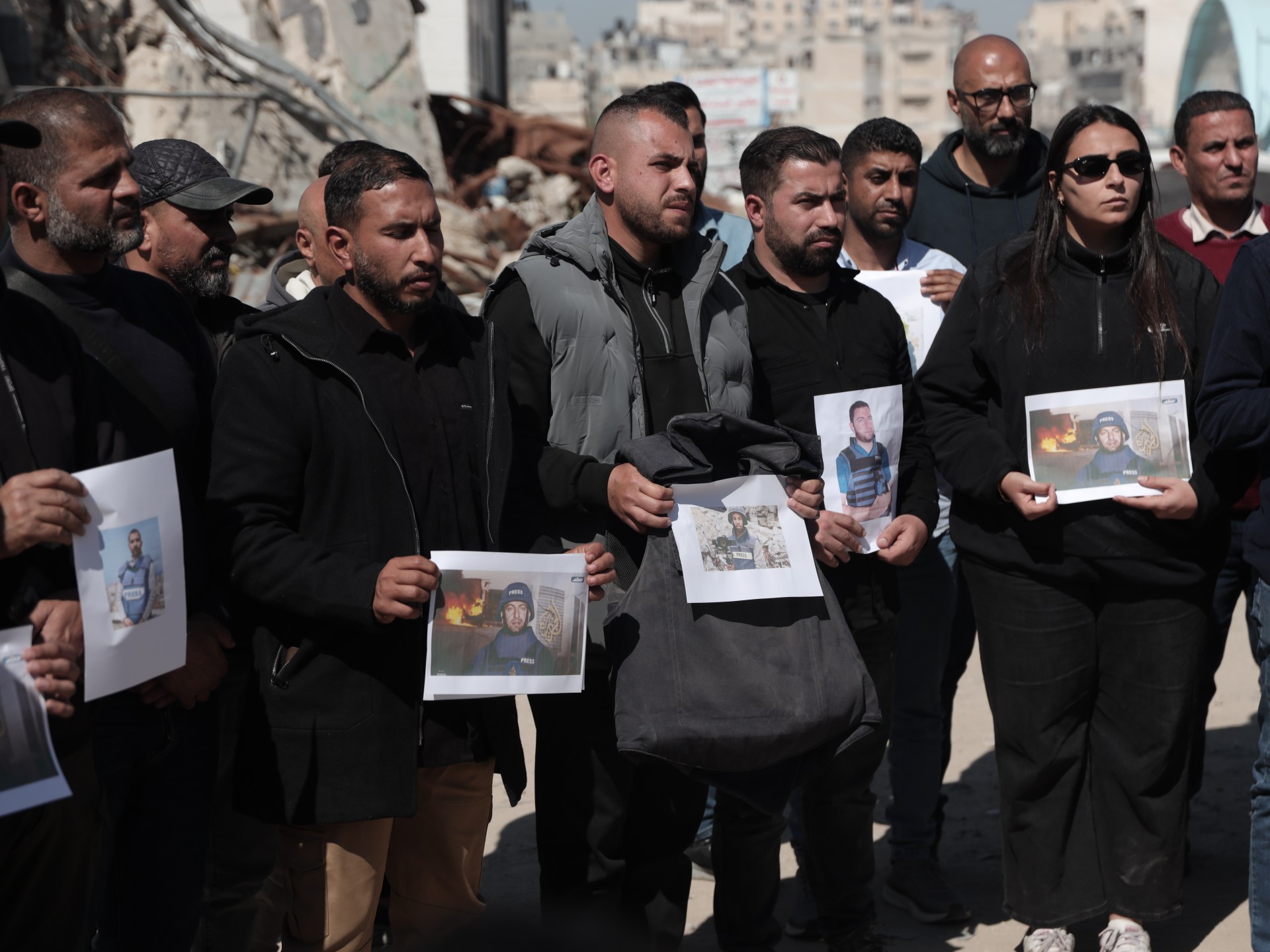
The report highlights a grim statistic: since October 2023, over 220 journalists have been killed in Gaza alone, with at least 70 fatalities occurring while they were performing their duties.
Shifting Global Landscape
The decline in press freedom has also been felt in Latin America. In Argentina, under the presidency of Javier Milei, the nation ranked 98th, a drop of 11 places. Similarly, El Salvador has plummeted to 143rd, having dropped 105 positions since 2014 due to governmental crackdowns on free speech amid its ongoing war against criminal gangs.
RSF also underscored how governments have bypassed press laws, exploiting emergency powers and criminal legislation to silence dissent and secure their grip on power. Countries like India (157th), Egypt (169th), and Turkiye (163rd) exemplify this trend.
Call to Action
RSF's Editorial Director, Anne Bocande, emphasized the necessity for democratic governments and citizens to take proactive measures against the global trend toward the criminalization of journalists. She stated that existing protection mechanisms are inadequate and called for firm guarantees and effective sanctions to combat these violations.
The report serves as a stern reminder that the future of journalism hangs in the balance as increasing authoritarianism challenges the very notion of free press. The actions—or inaction—of global leaders will play a crucial role in determining the safety and viability of journalism in the years to come.
Popular news
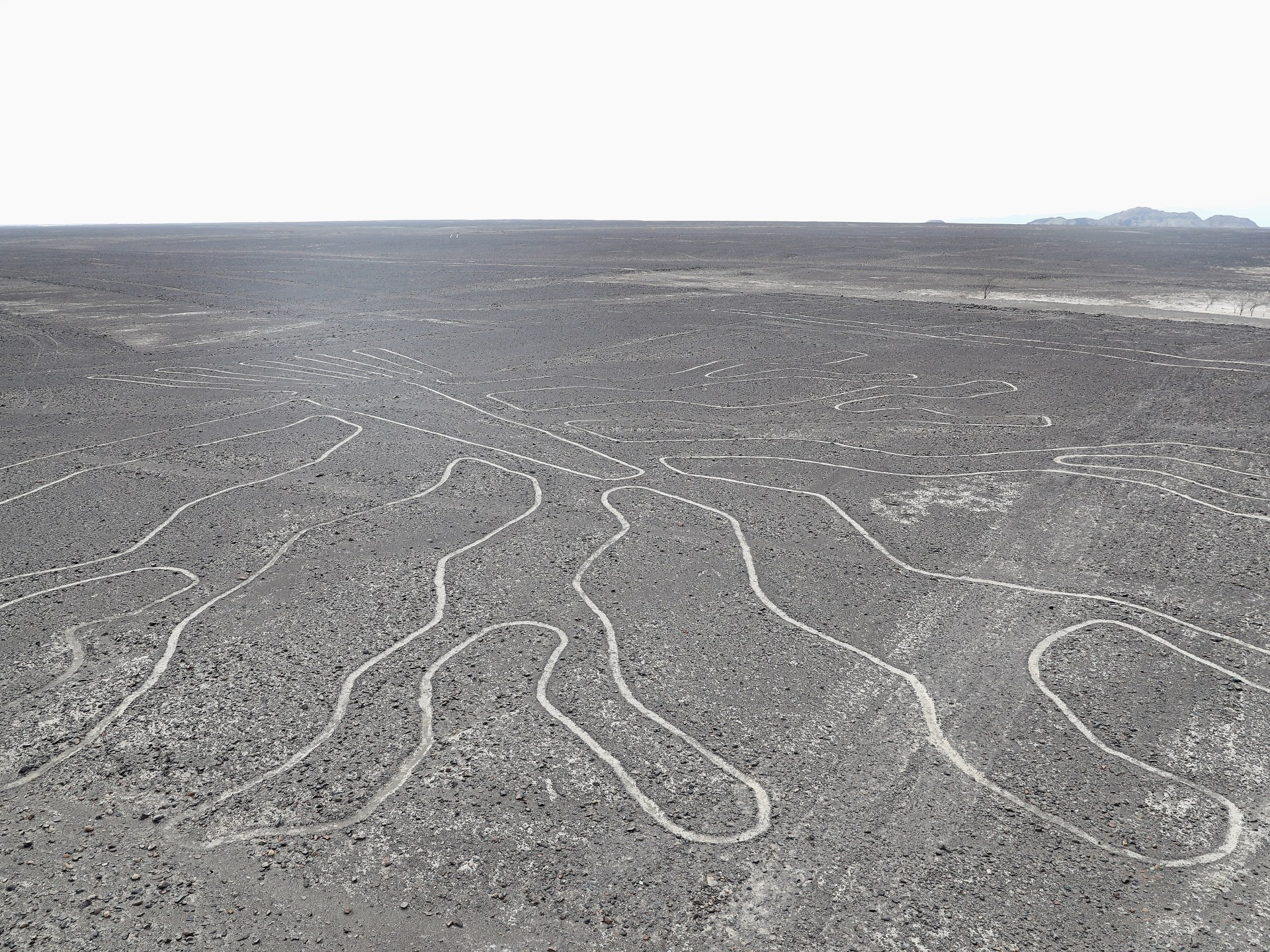
A small plane crash while touring the Nazca Lines in Peru has resulted in 13 fatalities, including tourists and crew.
Subscribe to
our news
Get the most important updates and top stories in your inbox.