




 World29 Apr 2026
Global Rainforest Loss Slows Significantly in 2025 Amid Policy Changes
Rainforest loss slowed 36% in 2025 thanks to Brazil's policies, but still exceeds targets for 2030, raising concerns about ongoing threats.
Significant Decrease in Rainforest Loss in 2025
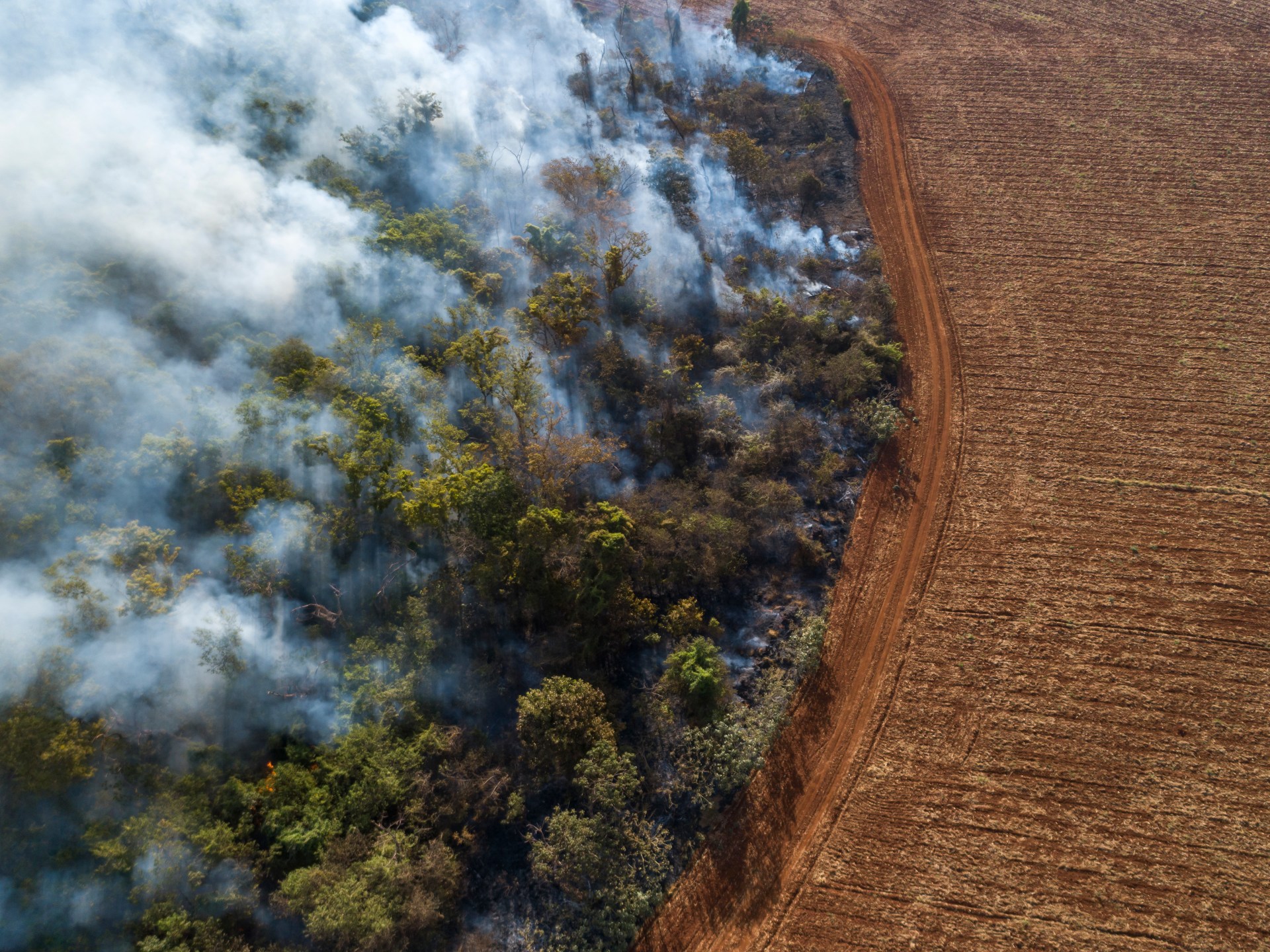
According to a recent report from the World Resources Institute (WRI) and the University of Maryland, global rainforest loss slowed significantly in 2025, with the world losing 4.3 million hectares of tropical primary rainforest. This marks a noteworthy 36% decrease from the previous year, a positive shift attributed primarily to renewed environmental policies in Brazil under President Lula da Silva.
Driving Factors Behind the Decrease
Brazil's Environmental Policies
The report highlights Brazil's dramatic reduction in forest loss as a pivotal factor for the global decrease.
Brazil, which hosts the Amazon rainforest, experienced a 41% drop in forest loss excluding fires, reaching its lowest rate on record. Elizabeth Goldman, co-director of WRI’s Global Forest Watch, credits this turnaround to Lula’s ambitious anti-deforestation initiatives. Since his inauguration in 2023, Lula has revived and strengthened measures to combat deforestation, increasing penalties for environmental crimes to deter illegal activities.
Positive Trends in Neighboring Countries
Moreover, Colombia has also witnessed progressive trends, with a 17% reduction in forest loss, making it the second lowest year recorded since 2016. These positive outcomes result from similar governmental policies aimed at limiting forest clearing.
Ongoing Threats to Global Forests
Despite the encouraging decrease in total forest loss, experts caution that global deforestation rates remain 70% above the necessary levels required to meet the 2030 target of halting and reversing forest loss. Regions like the Democratic Republic of the Congo (DRC) and Cameroon continue to experience high rates of forest destruction.
Fires and Climate Impacts
One of the alarming factors contributing to continued forest destruction is the impact of climate change. Fires, fueled by climatic conditions, accounted for a staggering 42% of tropical forest loss in 2025. Researchers warn that the return of the El Nino weather phenomenon could heighten the risks of droughts, heatwaves, and wildfires in the coming months.
Rod Taylor, WRI's global director for forests, emphasized the precarious position facing our global ecosystems. "While forests are vital carbon sinks, fires and droughts from climate change are increasingly turning these ecosystems into sources of greenhouse gas emissions," he remarked, pointing to the urgent need for continued and enhanced global efforts to protect these irreplaceable resources.
Conclusion
The findings of this report reflect both progress and challenges. Although the slowdown in rainforest loss is a positive step, ongoing threats from agriculture, climate change, and legislation to weaken environmental protections continue to threaten the world's forests. Future strategies must focus not only on preserving existing forests but also on mitigating the factors that lead to their destruction.
Popular news
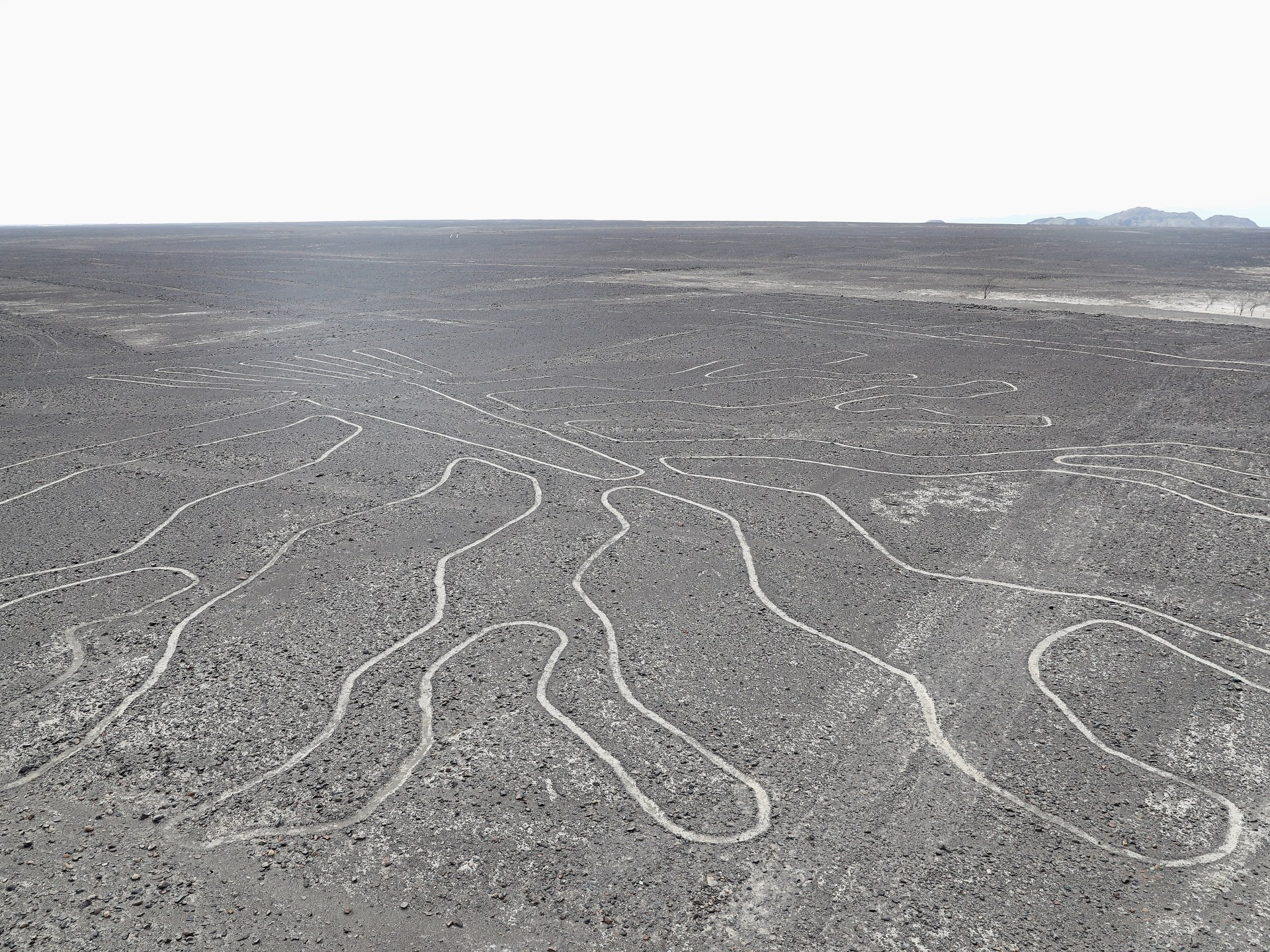
A small plane crash while touring the Nazca Lines in Peru has resulted in 13 fatalities, including tourists and crew.




Subscribe to
our news
Get the most important updates and top stories in your inbox.