




 Business28 May 2026
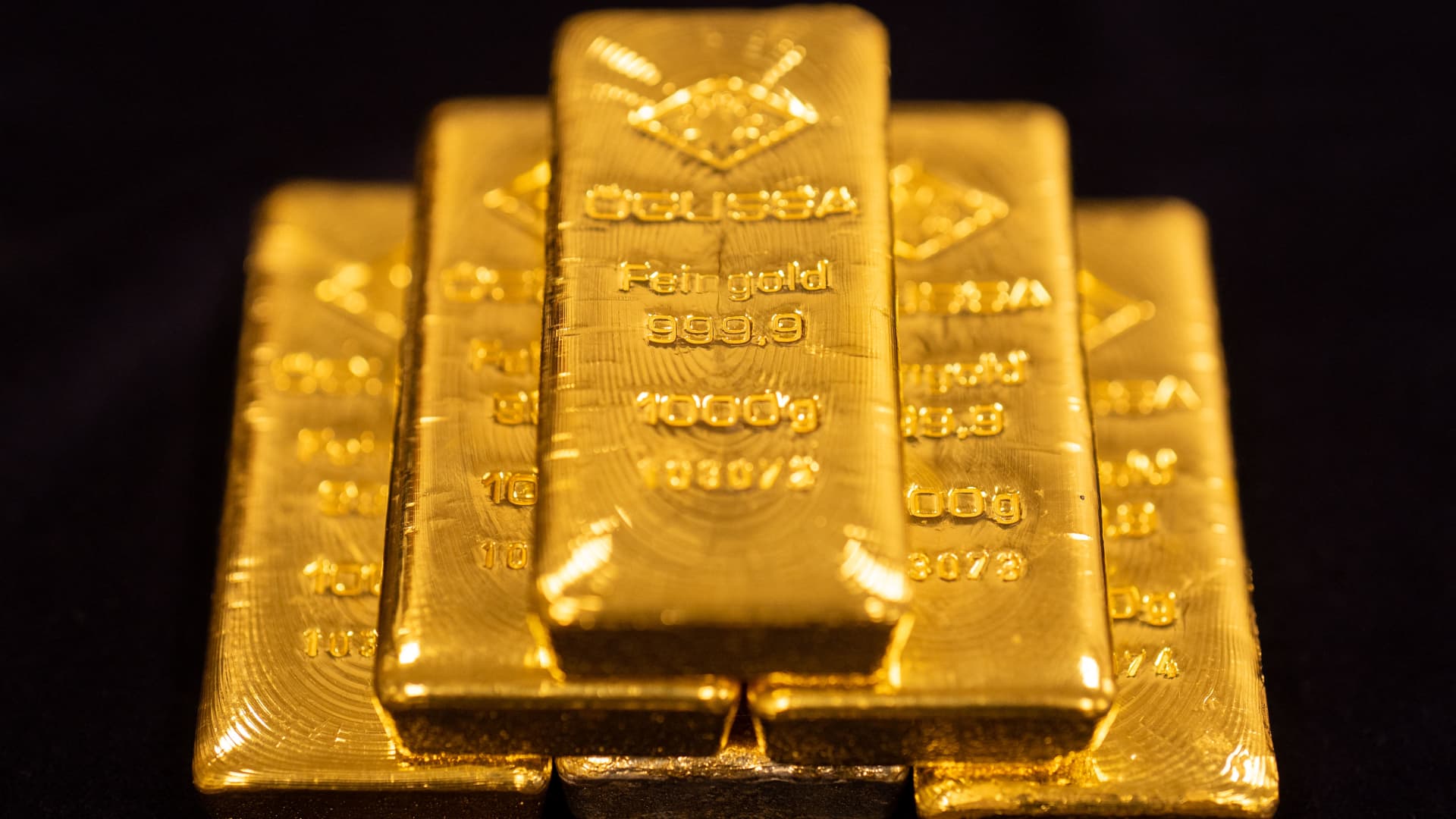
Gold Prices Hit Two-Month Low Amid Rising Inflation Concerns
Gold prices tumble to a two-month low, driven by inflation fears and U.S.-Iran conflict. UBS revises down gold price targets, while market volatility persi
Gold Prices Experience Significant Decline
Gold prices have plunged to a two-month low, trading at approximately $4,385.85 an ounce, reflecting heightened investor concerns regarding ongoing geopolitical tensions and rising inflation. This decline is attributed primarily to the U.S.-Iran conflict, which has negatively influenced market sentiment, as well as the increasing strength of the U.S. dollar.
At 3:43 a.m. ET, spot gold was trading 1.6% lower, marking its lowest value since late March. Front-month U.S. gold futures also showed a decrease of 1.3%, settling at $4,389.70.
UBS Adjusts Gold Forecast Amid Market Pressures
In response to these market shifts, UBS has revised its year-end gold price prediction to $5,500, down from a previous estimate of $5,900. UBS’s strategists articulated their optimism regarding gold despite the current pressures, citing that as expectations for interest rate hikes diminish, gold may regain its upward momentum.
Mark Haefele, chief investment officer at UBS Global Wealth Management, maintained a positive outlook, noting that although gold faces short-term volatility due to U.S.-Iran headlines and fluctuating oil prices, the medium-term scenario remains bolstered by factors such as central bank demand and the necessity for reserve diversification.
Analysts from Bank of America also forecast an increase in gold prices, projecting a year-end target of $5,093 per ounce. They indicated that despite gold being perceived as overbought, there is a significant underinvestment in the asset, suggesting potential upside risks to their forecasts. However, they cautioned that rising dollar strength, elevated real interest rates, and increased scrap supply could impose risks on their price predictions.
Broader Market Implications and Trends
The fear surrounding inflation has also influenced other precious metals, with silver prices plunging by 2.4% to $72.85, while platinum experienced a similar drop of 1.7% at $1,884.95 per ounce. The decline in price was exacerbated by a persistent rise in inflation across major economies and expectations of sustained high interest rates.
The geopolitical dynamics, particularly the uncertainty surrounding U.S.-Iran negotiations and its impact on oil prices, continue to elevate inflation fears, presenting a complex landscape for investors. Michael Field, chief equity strategist at Morningstar, described the current sell-off in gold as being influenced by the protracted conflict in the Middle East and persistent inflationary pressures, which have pressured traditional inflation hedges like gold.
Looking Forward
A key indicator for the markets is the forthcoming publication of the U.S. personal consumption expenditure price index, which will provide insight into inflationary trends. Economists have predicted a 0.5% month-over-month increase and a year-over-year rise of 3.8%. As events unfold, the precious metals market will likely remain volatile, subject to ongoing geopolitical developments and shifts in economic policy.
Popular news
New York has declared a disaster emergency over rising measles cases, especially among under-immunized populations, with 108 confirmed cases.


Subscribe to
our news
Get the most important updates and top stories in your inbox.