




 World18 Apr 2026
Hormuz Domino Effect: Global Supply Chains and Food Security at Risk
The war in the Middle East disrupts food and fuel supplies worldwide, sparking fears of shortages amid a temporary ceasefire.
Overview of the Crisis
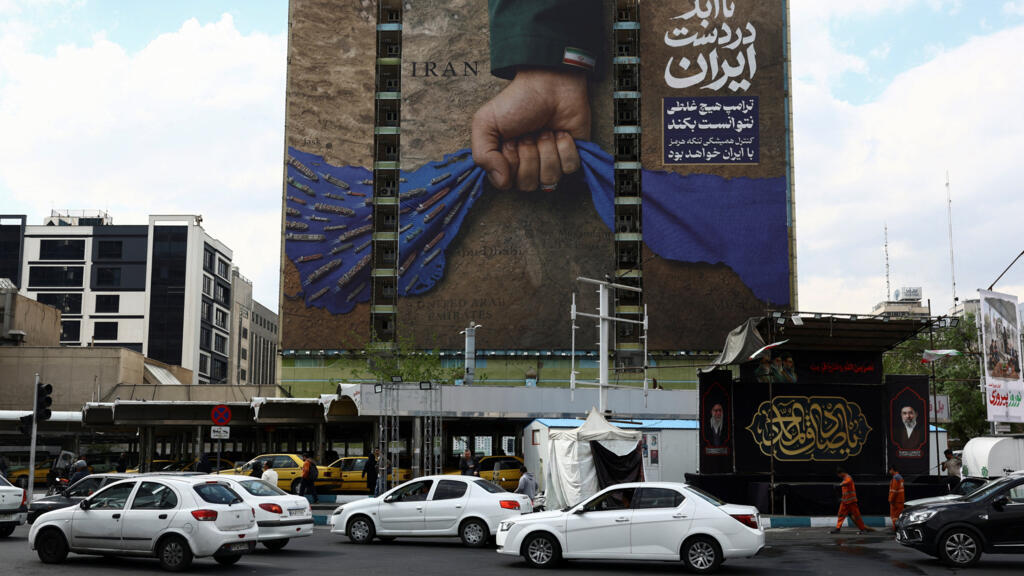
The ongoing conflict in the Middle East has had far-reaching effects on global supply chains, particularly following the temporary closure of the Strait of Hormuz. While a ceasefire currently allows for a provisional reopening of this vital shipping route, the implications of the conflict are already reverberating through various sectors, especially concerning food supply and fuel availability.
Impact on Food Supplies
Disruption of Key Commodities
The closure of the Strait of Hormuz has primarily affected the transportation of essential commodities such as fertilizers and agricultural supplies. With the region being a critical passage for trade, the conflict has stalled shipments of these crucial items. As a result, farmers in many parts of the world face delays in obtaining necessary resources, which could lead to diminished crop yields in the coming harvests.
Food Shortages on the Horizon
Experts warn that if the current situation persists, food shortages may become a significant issue globally. Countries that rely heavily on imports for their food supply might experience price hikes and scarcity, placing additional strain on already vulnerable populations. The anticipated knock-on effect could escalate food inflation in regions where food security is already hanging by a thread.
Effects on Fuel and Energy
Jet Fuel Supply Challenges
The aviation industry is particularly hit hard by the disruption in jet fuel supplies, with airlines facing shortages due to the halted flow of refined fuels through the strait. With travel demand rebounding post-pandemic, this added strain can result in flight cancellations and increased ticket prices.
Broader Economic Implications
Additionally, the disruption in the supply of industrial CO2 and naphtha has raised concerns in manufacturing sectors that depend on these materials. As companies grapple with interruptions in their supply chains, the potential for inflation increases across various economic sectors, further complicating recovery efforts in a post-pandemic world.
Conclusion
As the situation in the Middle East evolves, observers are closely monitoring the ramifications of the conflict. While a ceasefire offers a glimmer of hope with the reopening of the Strait of Hormuz, the lasting impact on global food and fuel supplies raises alarms about the broader implications for economies worldwide. The interconnectedness of supply chains means that instability in one region can lead to widespread challenges, highlighting the urgent need for a resolution to the ongoing crisis.
Popular news
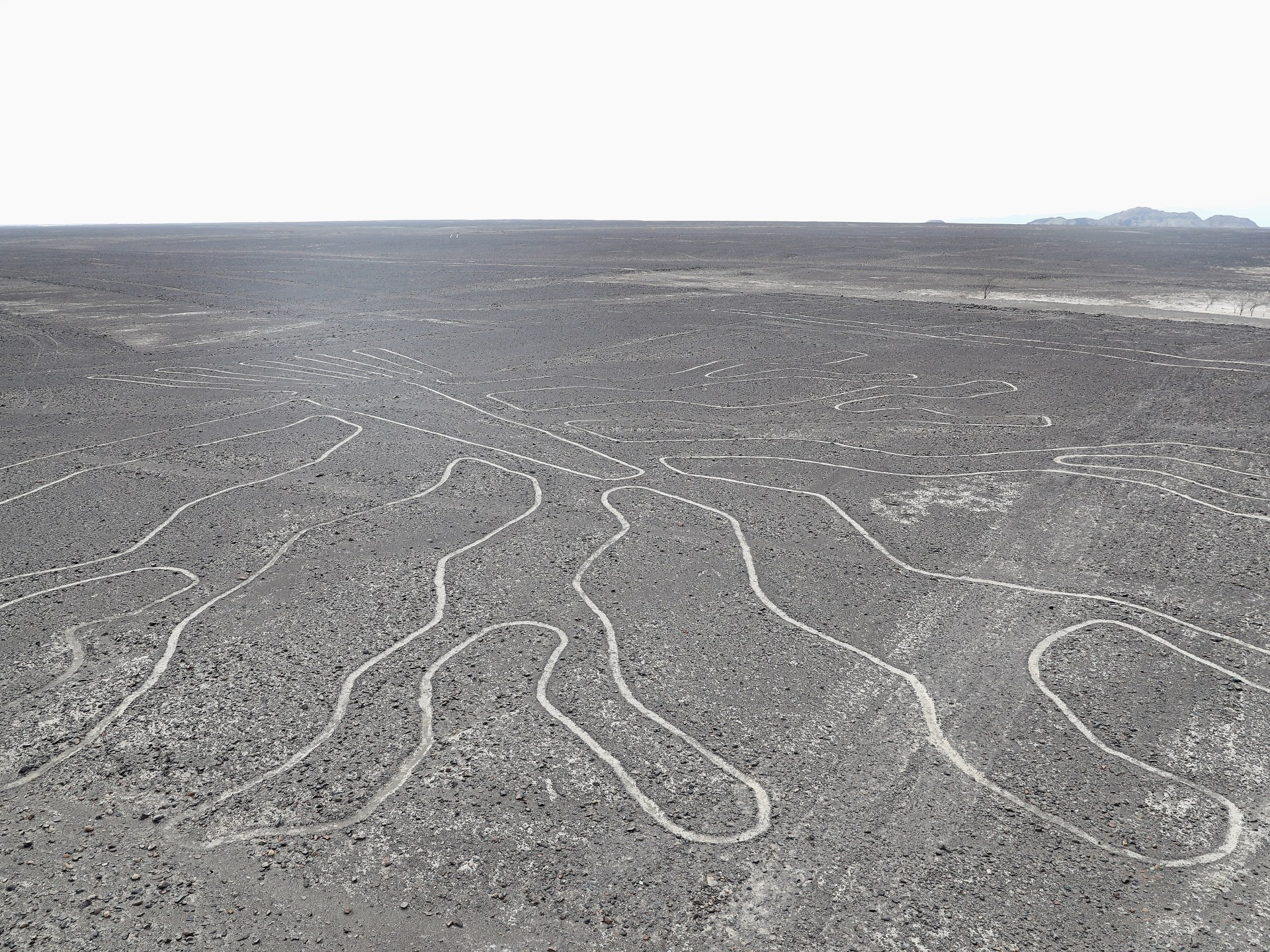
A small plane crash while touring the Nazca Lines in Peru has resulted in 13 fatalities, including tourists and crew.



Subscribe to
our news
Get the most important updates and top stories in your inbox.