





 Business06 Jun 2026
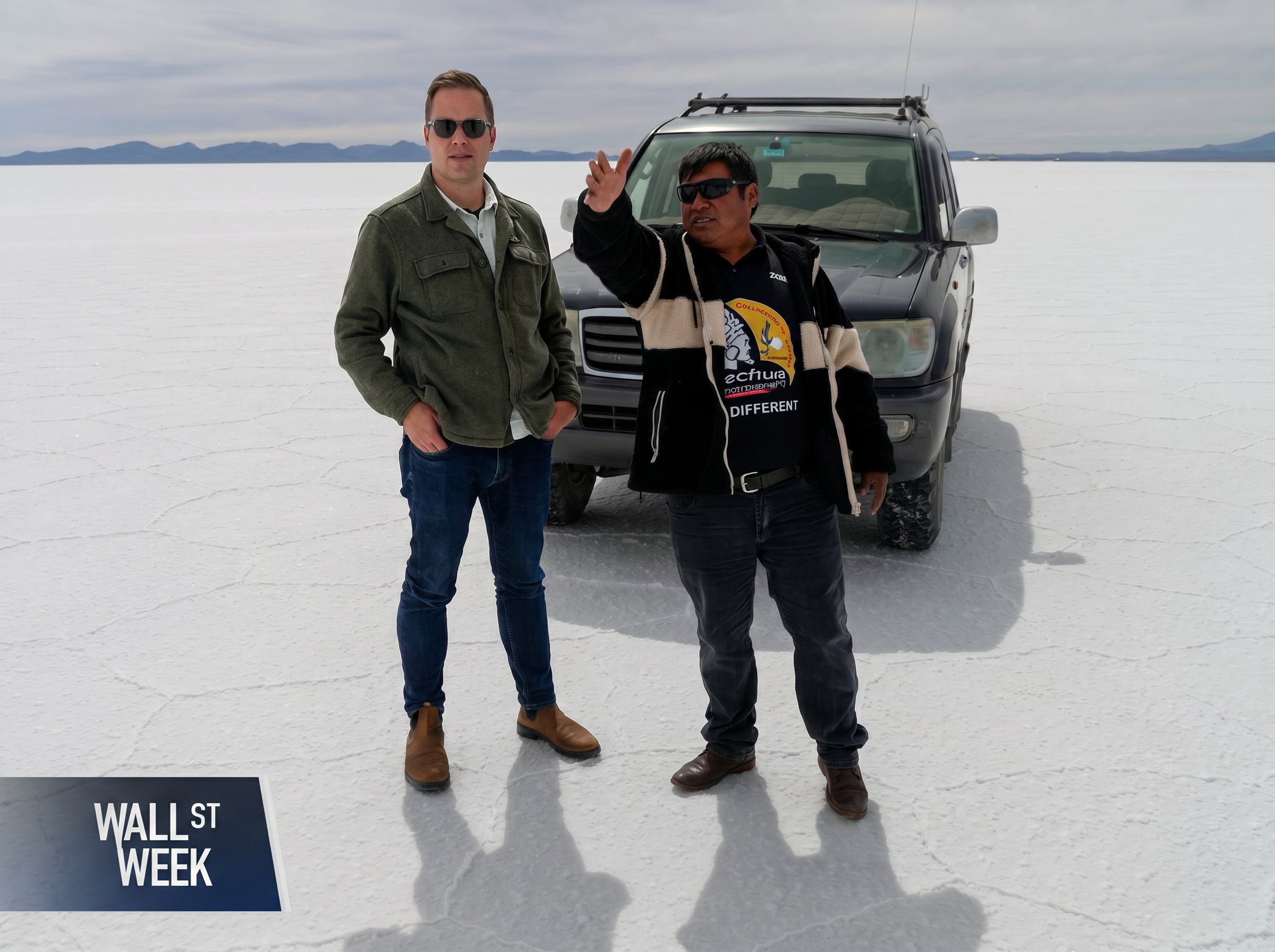
How Bolivia's Plans to Tap Mineral Riches Are Being Tested by Mass Unrest
Unrest and protests in Bolivia jeopardize President Paz's foreign investment ambitions in mineral-rich regions just months into his term.
Political Landscape in Bolivia
Bolivia is at a crossroads as President Rodrigo Paz embarks on a mission to transform the country into a hub for foreign investment. With significant reserves of lithium and other vital minerals, the nation holds the potential to become a key player in the global supply chain. However, after decades of socialist governance, the challenge for Paz lies in navigating the complexities of a politically charged environment, striving to assure both stability and prosperity.
The Vision of President Rodrigo Paz
Taking office amidst promises of reform, President Paz has emphasized the importance of establishing clear regulations and fostering international partnerships. His administration aims to attract foreign investment by rebranding Bolivia, showcasing its mineral wealth, and creating a conducive atmosphere for growth. The president hopes that aligning the interests of multinational corporations with local needs will culminate in economic revival and job creation—a critical issue for a country grappling with poverty and inequality.
Challenges to Investment Plans
Despite Paz's ambitious goals, the reality of his governance has quickly been overshadowed by civil unrest. Just six months into his term, widespread protests have erupted across several regions, driven largely by dissatisfaction over the socio-economic conditions and fears regarding the impact of foreign investment.
Protests and Social Unrest
These protests reflect deeper societal tensions concerning resource management and the historical context of foreign exploitation in Bolivia. Many citizens express concern that international interests may overshadow local rights and lead to displacement. The demonstrators demand government accountability and transparency in how natural resources are utilized, fearing a repeat of past mistakes where local communities have seen little benefit from lucrative mineral extraction.
Economic Implications
The ongoing unrest poses a significant threat to Paz’s vision for economic growth. Uncertainty surrounding the country’s political climate could deter potential investors, who view instability as a red flag. The protests raise pressing questions about how Bolivia can balance its aspirations for development with the need for social cohesion and respect for community rights. Furthermore, the success of Paz’s administration in navigating these imposing challenges will have lasting implications for Bolivia's future in the competitive landscape of lithium production.
In conclusion, as Bolivia stands on the precipice of potential economic transformation, President Rodrigo Paz's ambitions to foster foreign investment are being profoundly tested by mass unrest and protests. The outcomes of these movements may ultimately reshape the trajectory of Bolivia’s engagement with its rich mineral resources and its position in the global market.
Popular news
New York has declared a disaster emergency over rising measles cases, especially among under-immunized populations, with 108 confirmed cases.



Subscribe to
our news
Get the most important updates and top stories in your inbox.
