




 Sport28 Apr 2026
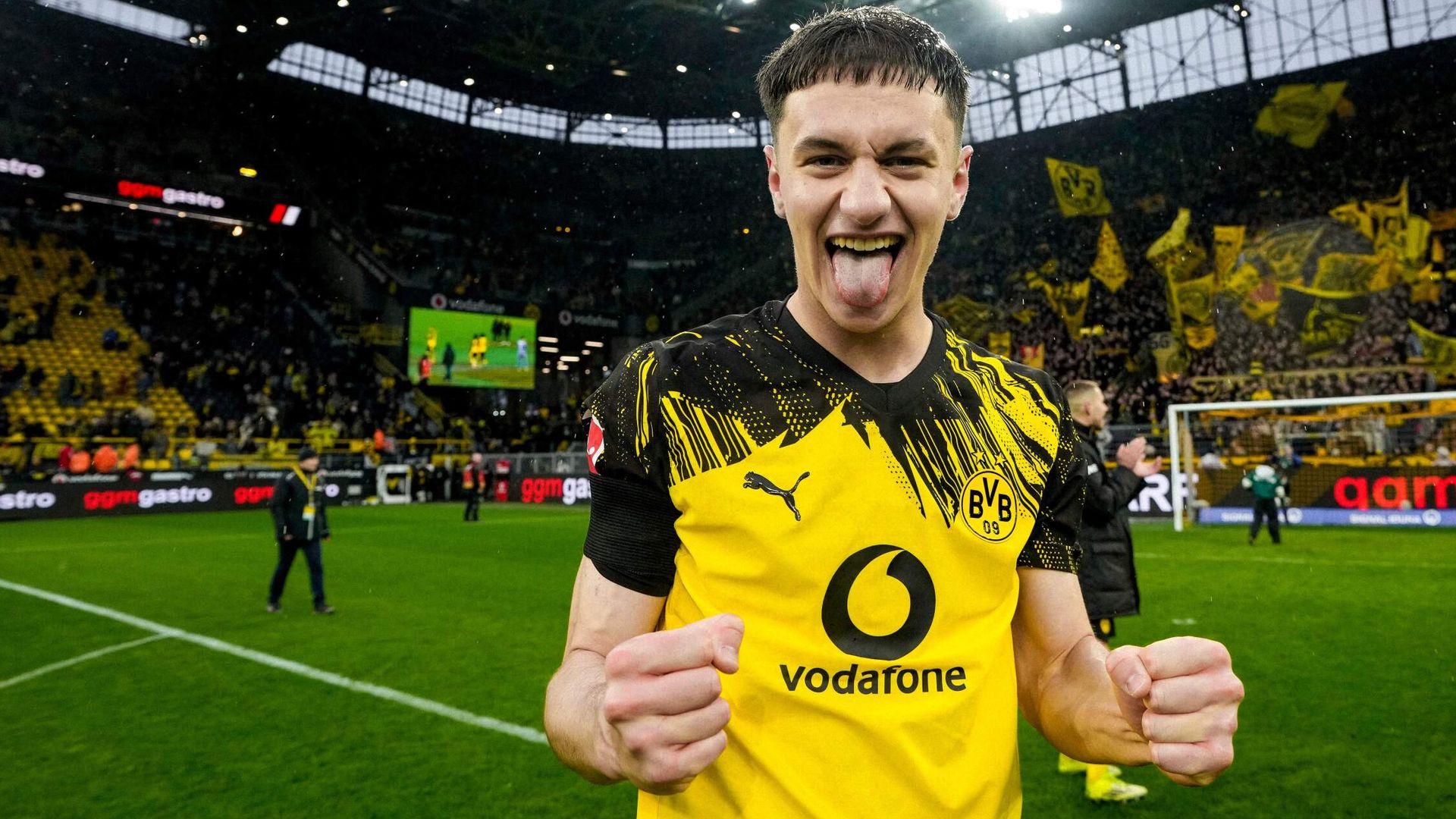
How Borussia Dortmund Revamped Their Academy for Future Success
Dortmund's academy undergoes major changes, focusing on player growth and bio-banding for better talent assessment and development.
Transforming Youth Development at Borussia Dortmund
Borussia Dortmund is redefining its youth development strategies under the leadership of academy chief Paul Schaffran. The club is shifting its model from a victory-centric philosophy to one that emphasizes individual player development, aiming to cultivate future professional football stars. This transformation at one of Germany's top football academies has led to significant changes in how players are assessed and nurtured.
Shift in Focus: From Winning to Development
In an exclusive interview, Schaffran explained how the club is now prioritizing the growth of players over immediate results. Reflecting on a recent match where 18-year-old defender Luca Reggiani scored, Schaffran noted, "Getting our young players into the first team gives everybody hope." The academy has seen an influx of young talents, signaling a commitment to integrating them into the first team.
With recent Bundesliga debuts from players like Samuele Inacio and Mathis Albert, it's evident that Dortmund is placing a premium on youth. Schaffran emphasizes the importance of establishing a pathway within the club, stating, "They know there is a pathway here."
Introducing Bio-Banding for Better Assessment
A crucial element in this revamped approach is the introduction of bio-banding—a process that evaluates players based on their skeletal age rather than solely chronological age. Schaffran revealed that this strategy has fundamentally altered how coaches and scouts evaluate talent at the academy. Previously, a significant percentage of players were classified as early developers, a practice that tended to overlook talent that wasn’t as physically developed at a younger age.
"The biggest learning from bio-banding was not for the players, it was for the coaches and scouts. They now look at players completely differently," Schaffran stated. This newfound understanding enables them to recognize potential in players who may struggle physically in their age group.
Embracing Challenges for Growth
Dortmund has adopted a philosophy of presenting significant challenges to its youth players to prepare them for professional demands. Schaffran remarked, "We want to give the players the hardest challenges possible at youth level so that it makes it easier for them to succeed at the end of the process." This focus on adversity aims to enhance players' adaptability and resilience, essential qualities in the fast-paced world of professional football.
The club fields the youngest squads in both the under-17 and under-19 leagues, with the goal not being immediate glory, but long-term player development. Schaffran acknowledged, "We are not doing it just because it is nice to be the youngest but because you need to be over-challenged to reach the next level."
Building a Bright Future
With this new model in place, Dortmund’s academy is witnessing considerable changes. The distribution of player development categories has shifted to a more balanced approach—15% early developers, 70% in the normal range, and 15% late developers, compared to the skewed ratios from previous years. This broader perspective allows for a more comprehensive nurturing process for all types of talent.
In conclusion, Borussia Dortmund's renewed commitment to developing young players is clear. By implementing innovative strategies like bio-banding and fostering a growth-over-victory mindset, the club is laying the groundwork for future success, securing its status as a top destination for emerging football talent.
Popular news
A small plane crash while touring the Nazca Lines in Peru has resulted in 13 fatalities, including tourists and crew.




Subscribe to
our news
Get the most important updates and top stories in your inbox.