




 Business24 May 2026
How Corpus Christi Became America’s Top Energy Export Hub
Corpus Christi has transformed into America's biggest energy export hub, driven by the shale revolution, strategic location, and infrastructure advancement
The Emergence of Corpus Christi as a Global Energy Hub
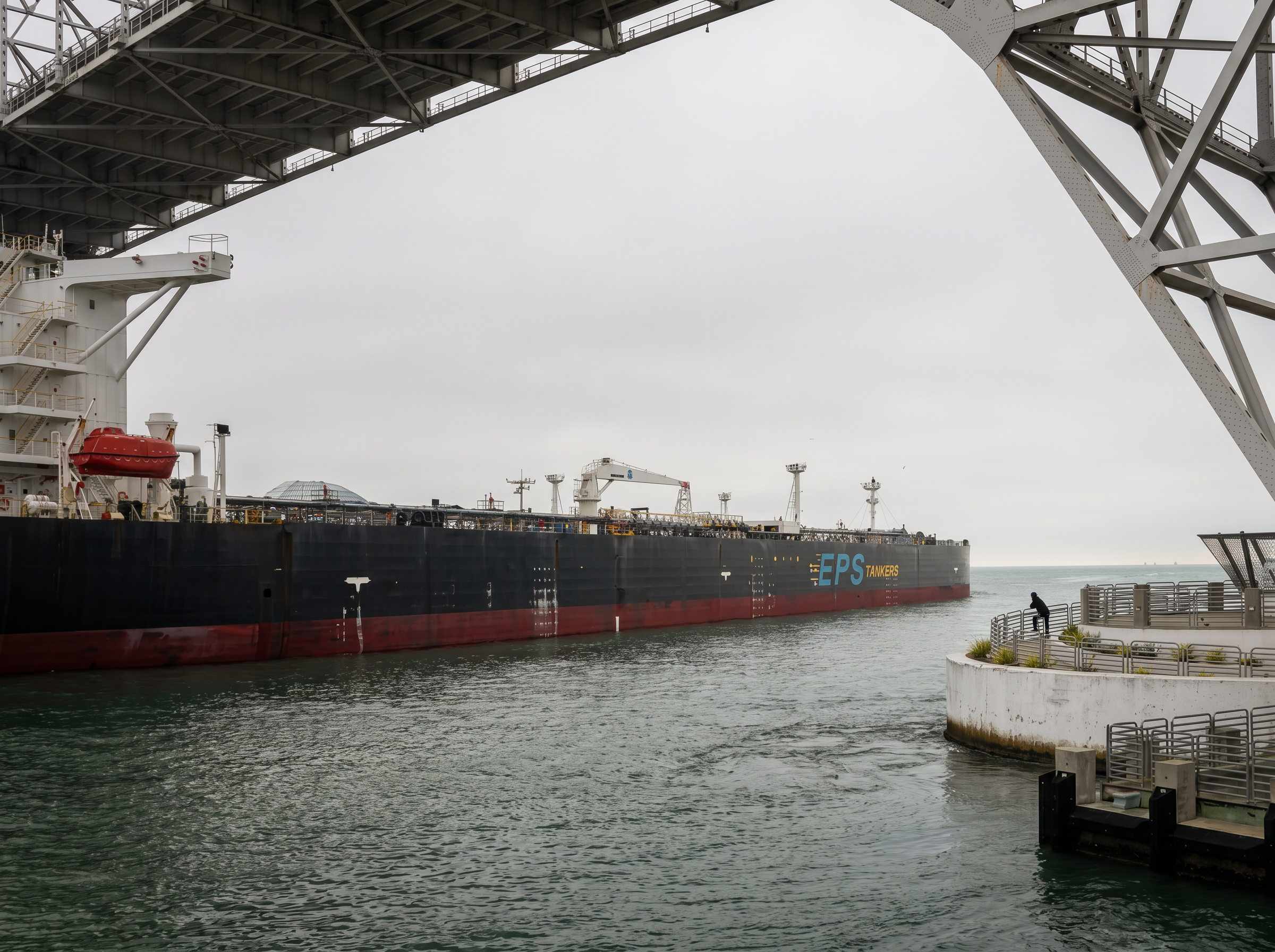
Once regarded merely as a regional center for industrial activity, Corpus Christi, Texas has undergone a remarkable transformation to become the largest crude oil export hub in the United States. This shift is fundamentally linked to advancements in energy production and policy changes that have reshaped the global energy landscape.
A Historical Perspective on Corpus Christi
Three decades ago, Corpus Christi was an important city for the local economy, with refineries and chemical plants driving growth. However, it didn’t hold significant prominence in the international energy arena. Fast forward to today, and this Gulf Coast city is now pivotal in supplying energy across Europe, Asia, and beyond. This transformation exemplifies how rapidly energy systems can evolve when various factors align.
The Shale Revolution: Catalyst for Change
From Import Dependence to Export Dominance
The turning point for Corpus Christi began with the shale revolution, characterized by breakthroughs in drilling and hydraulic fracturing techniques. This allowed access to vast oil and gas reserves, particularly in formations like the Permian Basin and Eagle Ford. With the lifting of the crude oil export ban in 2015, the U.S. transitioned from an energy importer to an exporter, necessitating an overhaul of energy infrastructure to accommodate the new reality of moving millions of barrels per day to international markets.
Geographic Advantages and Infrastructure Development
A Natural Logistic Hub
Advantageously situated closer to the Permian Basin than Houston, Corpus Christi has direct access to key oil-producing regions. The city has also invested significantly in its port infrastructure, expanding its ship channel and improving cargo handling processes. According to Kent Britton, CEO of the Port of Corpus Christi, the port's capacity to handle oil exports has effectively scaled up: "There was far more oil coming out of the ground than anyone expected, and once exports were allowed, the system had to adapt quickly."
Building Efficiency Through Integration
Corpus Christi’s efficiency is also attributed to its tightly integrated export system, where pipelines, storage facilities, and marine terminals work in concert. This interdependence enables rapid movement of crude oil to global markets, though requiring sustained investments across multiple sectors.
The Role of the Permian Basin
Despite the advanced infrastructure in place, the driving force behind Corpus Christi’s success continues to be the Permian Basin. Production rates are still on the rise, but industry players are focusing more on operational efficiency rather than aggressive expansion strategies. This shift has heightened the importance of reliable export channels.
As noted by Britton, enhancing export capacity will require additional infrastructure given the renewed constraints on pipeline capacity.
The Future: A Surge in LNG Exports
Although crude exports have placed Corpus Christi on the world map, the demand for liquefied natural gas (LNG) is poised to chart the city’s next phase of growth. With the U.S. emerging as the world's leading LNG exporter, Corpus Christi is already home to significant LNG facilities and upcoming projects set to amplify its role in this market. Britton asserts, "The next major wave of growth is LNG."
Addressing Challenges in Growth
Water Resource Management
With success comes challenges, particularly concerning water usage. Industrial operations in the region, including refining and LNG production, require substantial water resources, leading to increased pressure on local systems. To tackle this issue, initiatives focused on groundwater development and desalination are being undertaken.
Conclusion: A Transformation Few Anticipated
Reflecting on his early days in Corpus Christi, the transformation of the city into a crucial energy gateway is something that many, including those from the local engineering community, never envisioned. The convergence of resource availability, policy shifts, and strategic investments has placed Corpus Christi at the forefront of the energy sector. As the U.S. continues to possess the necessary resources to sustain its export dominance, the key challenge will remain in effectively developing the infrastructure to move energy resources globally. This evolution of Corpus Christi is a poignant reminder of what is possible when various elements of the energy sector align effectively.
Popular news
Nuveen acquires Schroders, creating a $2.6 trillion asset management powerhouse.



Subscribe to
our news
Get the most important updates and top stories in your inbox.