




 Sport07 Jun 2026
How Summer Weather and Lightning Delays Could Disrupt the 2026 FIFA World Cup
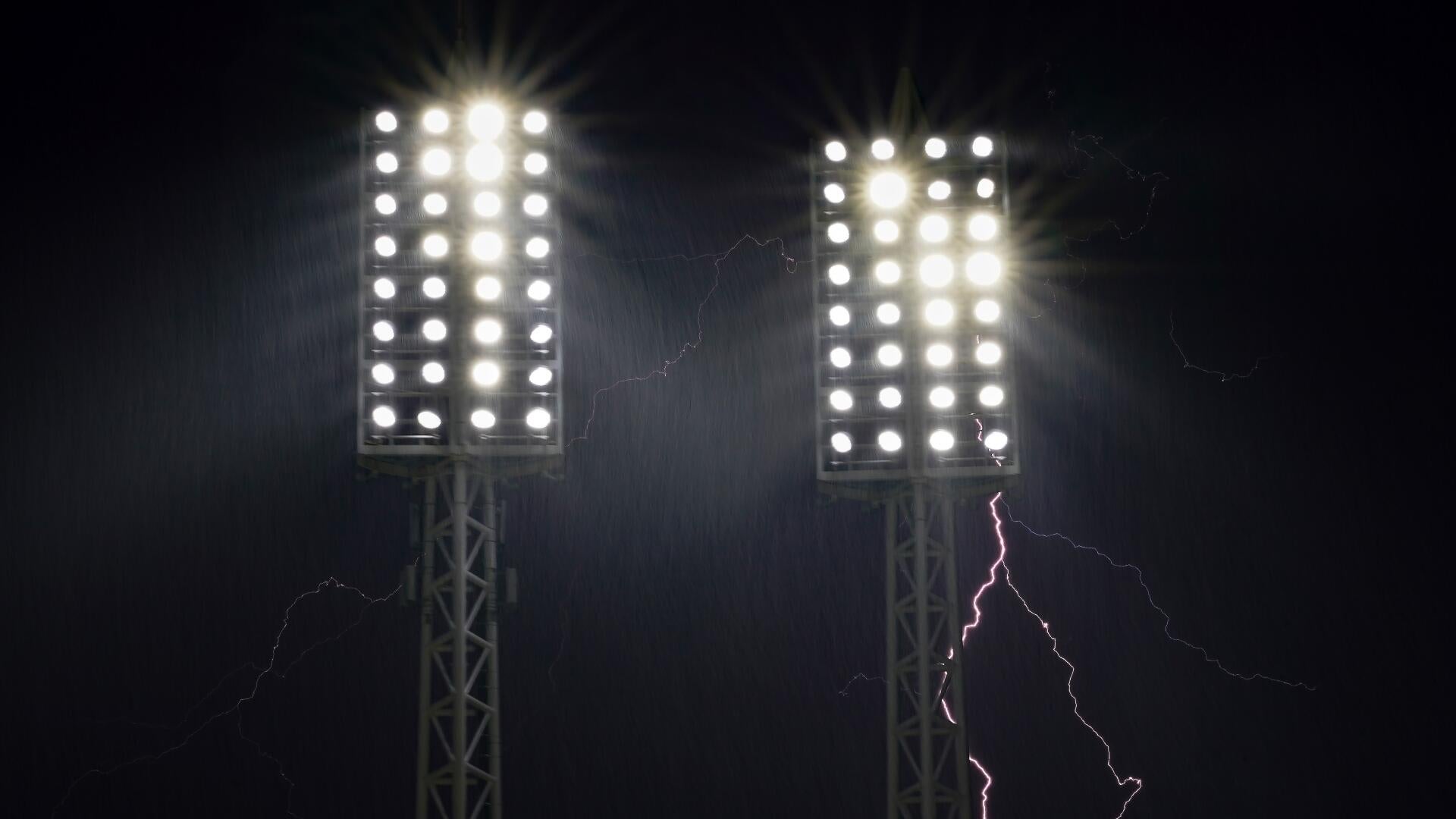
Summer thunderstorms could disrupt matches during the 2026 FIFA World Cup, complicating scheduling and player performance.
Potential Weather Challenges at the 2026 FIFA World Cup
As anticipation builds for the 2026 FIFA World Cup, concerns are rising regarding the impact of summer weather on the tournament. With Mexico set to host the event alongside the United States and Canada, thunderstorms typical for the season pose a significant risk to scheduling and gameplay.
Roofing Solutions and Lightning Risks
Of the venues selected for the World Cup, five stadiums are equipped with roofs: Atlanta, Dallas, Houston, Vancouver, and Los Angeles. These covered environments offer some protection against inclement weather, allowing games to proceed uninterrupted. However, for outdoor stadiums, lightning poses a serious threat. According to regulations, if lightning is detected within an eight-mile radius, matches must be halted for at least 30 minutes. This requirement has been proven challenging at previous events, often leading to significant delays.
Past Experiences with Delays
The impact of weather delays was notably felt during friendly matches and the FIFA Club World Cup held in the summer of 2025. For example, a match between Saudi Arabia and Puerto Rico in Austin, Texas, experienced a nearly two-hour pause due to lightning. These interruptions altered the game flow, leaving both players and coaches feeling the effects of lost momentum. During the Chelsea vs. Benfica match, a similar situation arose where an hour and 53-minute delay led to a match that stretched over four hours, culminating in extra time.
The Challenge of Resuming Play
Players not only face the mental challenge of restarting after a long delay but also the physical requirement to warm up again, which can lead to additional waiting time. If a match is significantly delayed, particularly during late-night schedules, organizers may find themselves needing to postpone the game until the following day. This can create logistical complications, especially with the tight turnarounds imposed by the World Cup’s packed schedule of matches.
Conclusion
As teams prepare for the thrilling competition, the specter of summer thunderstorms and lightning delays looms over the 2026 FIFA World Cup. While the tournament promises excitement on and off the pitch, the potential for weather-induced disruptions could redefine how the event unfolds.
Popular news
New York has declared a disaster emergency over rising measles cases, especially among under-immunized populations, with 108 confirmed cases.

Subscribe to
our news
Get the most important updates and top stories in your inbox.