




 World29 Apr 2026
How UAE's Exit Could Diminish OPEC's Influence on Oil Prices
The UAE's exit from OPEC could weaken the organization, impacting global oil prices amid rising market volatility.
The Impact of the UAE's Departure from OPEC
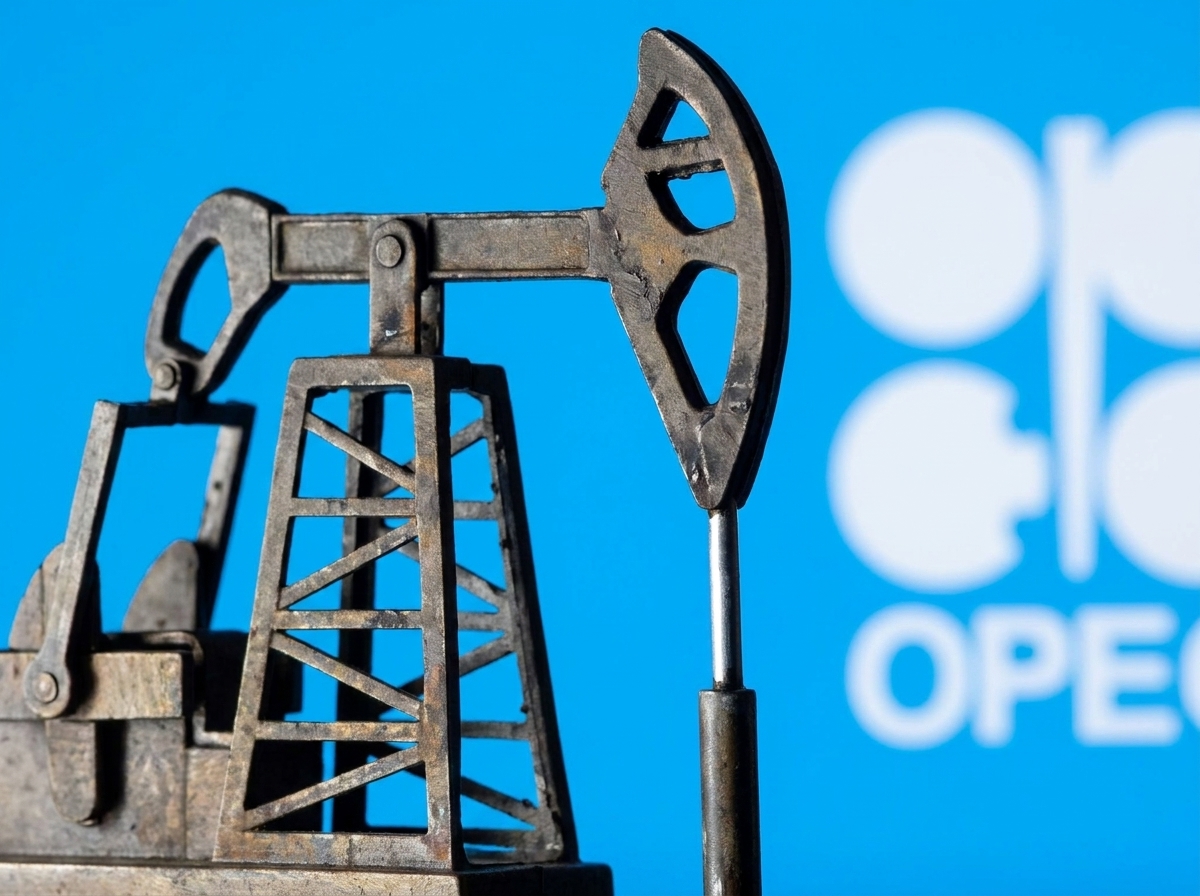
The United Arab Emirates (UAE) is set to leave the Organization of the Petroleum Exporting Countries (OPEC), a decision that analysts are warning could significantly diminish the group's influence over global oil prices. As the fourth largest oil producer within OPEC, the UAE's withdrawal comes amidst a landscape of volatility driven by geopolitical tensions, notably the US-Israel conflict, which has disrupted global oil supplies. This shift also raises questions about OPEC's long-term viability and power dynamics within the global oil market.
Geopolitical Context and Market Volatility
Current geopolitical tensions, particularly the ongoing US-Israel conflict that has seen rising tensions with Iran, have led to what some analysts describe as unprecedented disruptions in oil supply. According to the World Bank, this turmoil represents the largest loss of oil production recorded, highlighting the precariousness of the situation. Analysts now see the UAE's departure from OPEC as a potential tipping point for the organization, with some experts characterizing it as “the beginning of the end for OPEC.”
Understanding OPEC's Role
OPEC, which was established in 1960, originally included five founding nations: Iran, Iraq, Kuwait, Saudi Arabia, and Venezuela. Over the years, its membership has evolved, including countries like Algeria, Nigeria, and Gabon. The organization's primary goal has been to unify and coordinate petroleum policies among member states to stabilize oil markets and secure a steady income.
Historically, OPEC has implemented production cuts to elevate prices during periods of low demand, such as during the 1973 oil embargo, which more than doubled prices amid international political turmoil. However, the oil landscape has changed dramatically, with the rise of non-OPEC producers like the United States, now the world's largest oil producer.
The UAE's Significance Within OPEC
As OPEC's fourth largest producer, the UAE has played a crucial role in shaping the group's market strategy. In 2025, it produced approximately 3.1 million barrels of oil per day. Following its exit, analysts project that the UAE could increase its production capacity by as much as one million barrels per day, further altering the dynamics of global oil supply.
In contrast to OPEC's efforts to maintain influence over oil prices by controlling production levels, individual member nations often fail to adhere to collective agreements, leading to inconsistencies in production and market impact. This fractious adherence is also expected to pose challenges in maintaining OPEC's power after the UAE's withdrawal.
OPEC's Diminishing Market Share
Data reveals that OPEC's global oil market share has steadily declined over the decades—from over 50% in 1973 to 36.7% in 2025. This reduction highlights not only the rise of non-OPEC producers but also the decreasing importance of oil within the global economy. As the US enhances its production foothold, the balance of power continues to shift away from OPEC, especially with ballpark estimates indicating that the US is producing around 13.6 million barrels per day.
Charles-Henry Monchau, Chief Investment Officer at Swiss private bank Syz Group, emphasizes that the UAE's decision to leave OPEC marks a significant juncture. He cites that while OPEC has historically navigated through various challenges, including conflicts and economic upheavals, losing a key founding member represents a fundamental shift in the cartel’s ability to effectively manage prices.
Conclusion: Future of OPEC
As OPEC faces declining influence amidst shifting global oil dynamics, the ramifications of the UAE's exit will likely be profound. With the recent turmoil affecting oil supplies due to the blocked Strait of Hormuz—through which a significant portion of the world's oil traverses—the immediate impacts of this decision may not be felt right away. However, experts agree that long-term consequences could substantially alter OPEC's market strategies and power over oil pricing globally, suggesting a potentially diminished role for the organization in setting prices in the future.
Popular news
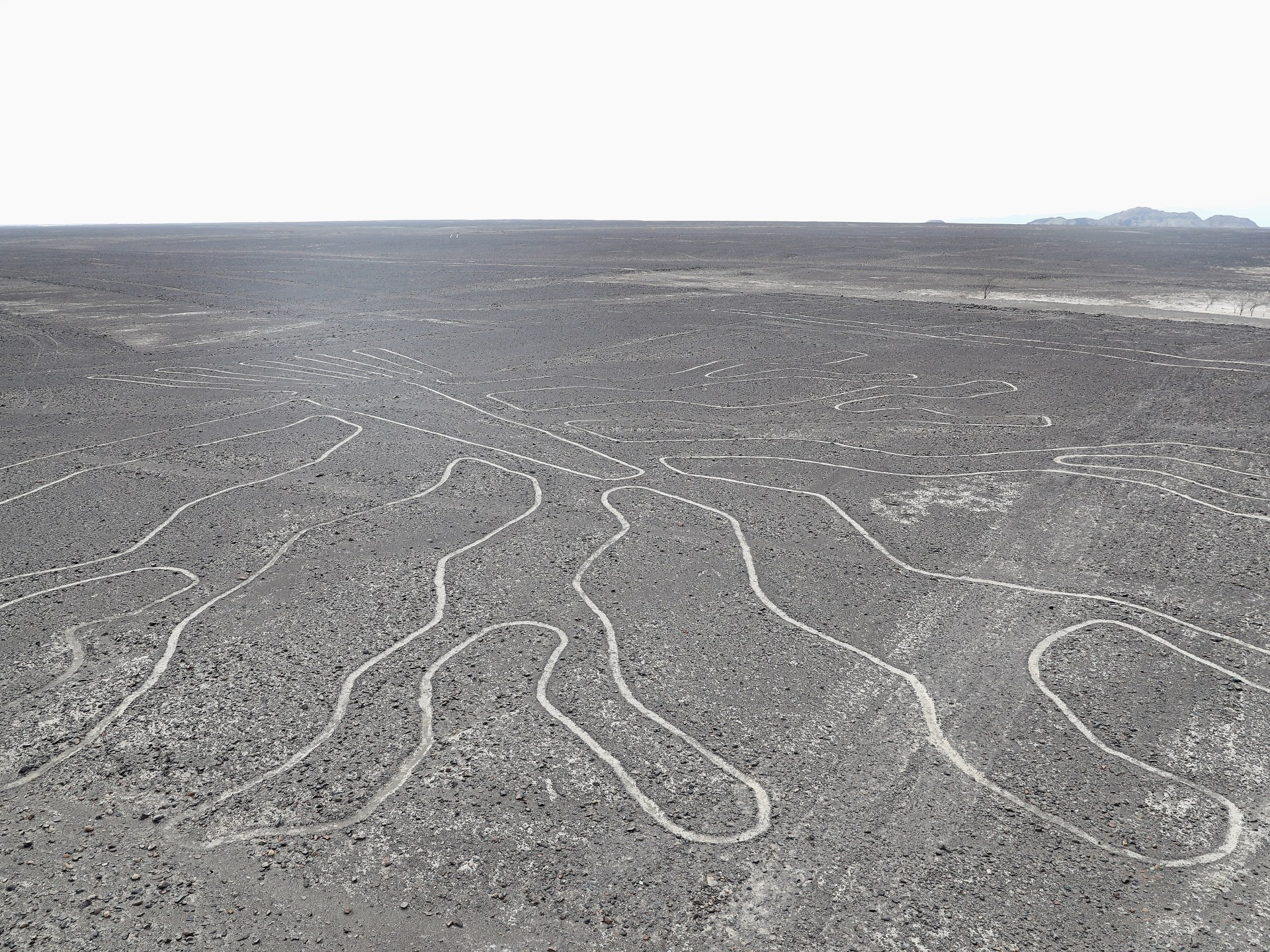
A small plane crash while touring the Nazca Lines in Peru has resulted in 13 fatalities, including tourists and crew.



Subscribe to
our news
Get the most important updates and top stories in your inbox.