




 Business23 Apr 2026
IEA Chief Warns of Unprecedented Energy Security Threat Due to Iran War
The IEA's Fatih Birol warns that the ongoing Iran war presents the world's gravest energy security threat yet, causing severe oil shortfalls.
Energy Security in Crisis
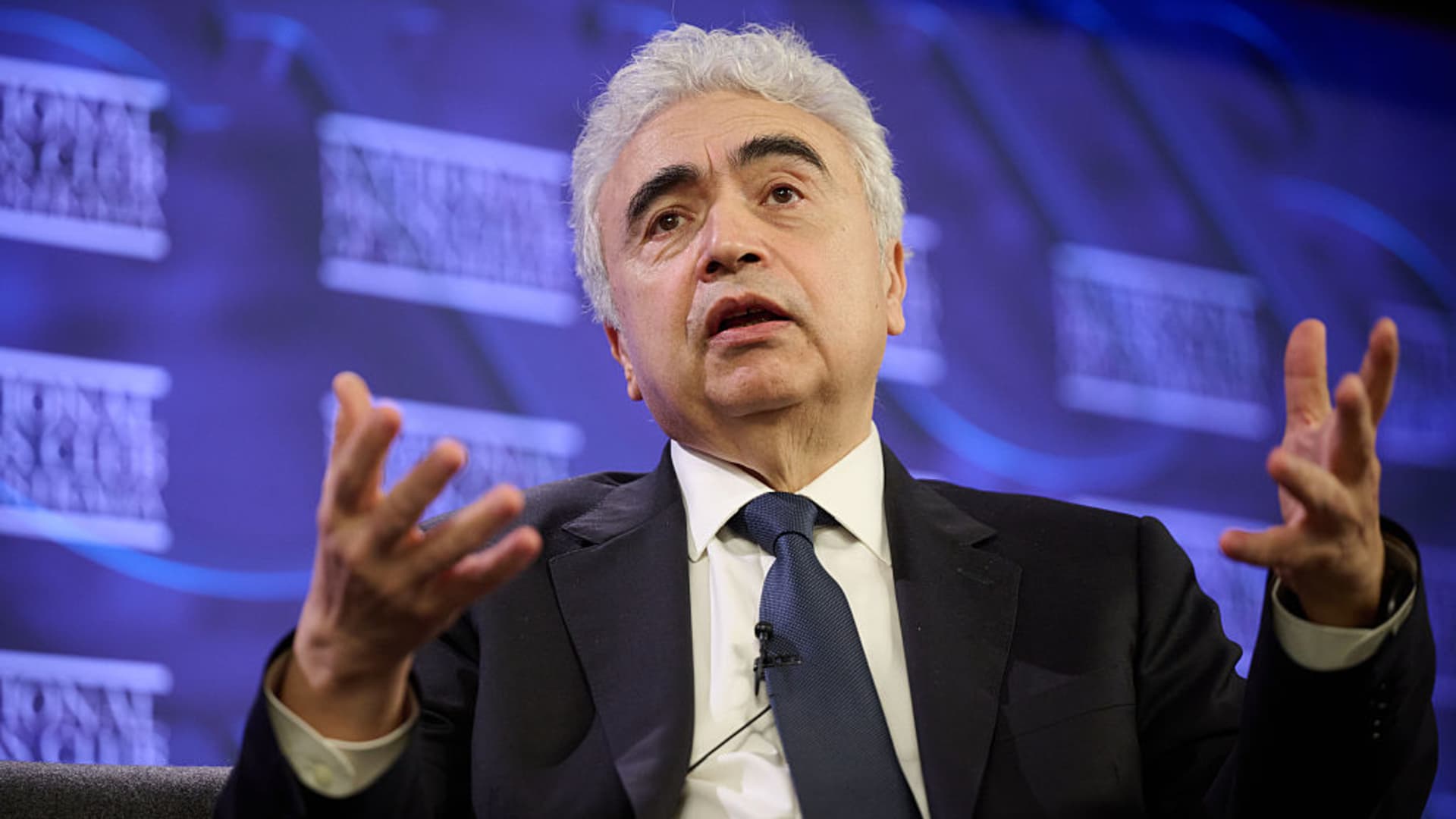
Fatih Birol, the head of the International Energy Agency (IEA), has issued a stark warning regarding the current state of global energy security, describing it as the most severe threat in history. This alarming statement comes in the wake of significant disruptions caused by the ongoing Iran war and the resulting closure of the Strait of Hormuz, a crucial maritime route.
The Impact of Oil Shortages
During a recent interview with CNBC, Birol noted that the world has seen a staggering reduction of 13 million barrels per day in oil supplies due to the conflict. "As of today, we've lost 13 million barrels per day of oil... there are major disruptions in vital commodities," he said. The Strait of Hormuz, historically a passage for 20 million barrels of oil daily, is now under a double blockade, preventing any vessels from entering or exiting.
He stated, "The closure will impact global economic growth, spur inflation, and could lead to energy rationing." The IEA has consistently highlighted that this area is one of the most critical oil transit chokepoints in the world, and its closure is already leading to an imminent jet fuel crisis in Europe.
Urgent Need for Alternative Energy
In response to these disruptions, Birol urged governments to invest in alternative energy sources. He mentioned nuclear power and renewables, such as solar and wind, would likely see significant expansion in response to the crisis. "I expect electric cars will benefit from this," he added. He also indicated a potential return to alternative fossil fuels, including a revival of coal usage in some Asian countries.
European Jet Fuel Shortages
With the closure of the Strait of Hormuz, Europe is facing a dire jet fuel shortage, as approximately 75% of its jet fuel previously originated from Middle Eastern refineries. "If we are not able to get additional imports from other countries, we will face difficulties," Birol cautioned, highlighting the urgency of restoring stability in the region.
The IEA has already taken steps to alleviate the situation, releasing 400 million barrels from emergency stockpiles in March. However, Birol cautioned that this measure is merely a temporary fix and not a sustainable solution to the ongoing crisis. "This is only helping to reduce the pain; it will not be a cure." He reiterated the necessity for reopening the Strait of Hormuz to ensure long-term stability in energy supplies.
As the IEA continues to navigate these tumultuous waters, the emphasis remains on diversifying energy sources and enhancing resilience against future shocks to the global energy market.
Popular news
A small plane crash while touring the Nazca Lines in Peru has resulted in 13 fatalities, including tourists and crew.


Subscribe to
our news
Get the most important updates and top stories in your inbox.