




 Business17 Apr 2026
IMF Members Warn of Global Economic Risks Due to Iran Conflict
IMF members are increasingly concerned that the conflict in Iran could destabilize the global economy, particularly in energy markets.
Concerns Over Iran Conflict
Members of the International Monetary Fund (IMF) have voiced substantial concerns regarding the ongoing conflict in Iran, labeling it a potential risk to the global economy. As geopolitical tensions heighten in the region, there are fears that disruptions in trade and energy supplies could have far-reaching effects.
Impact on Energy Supplies
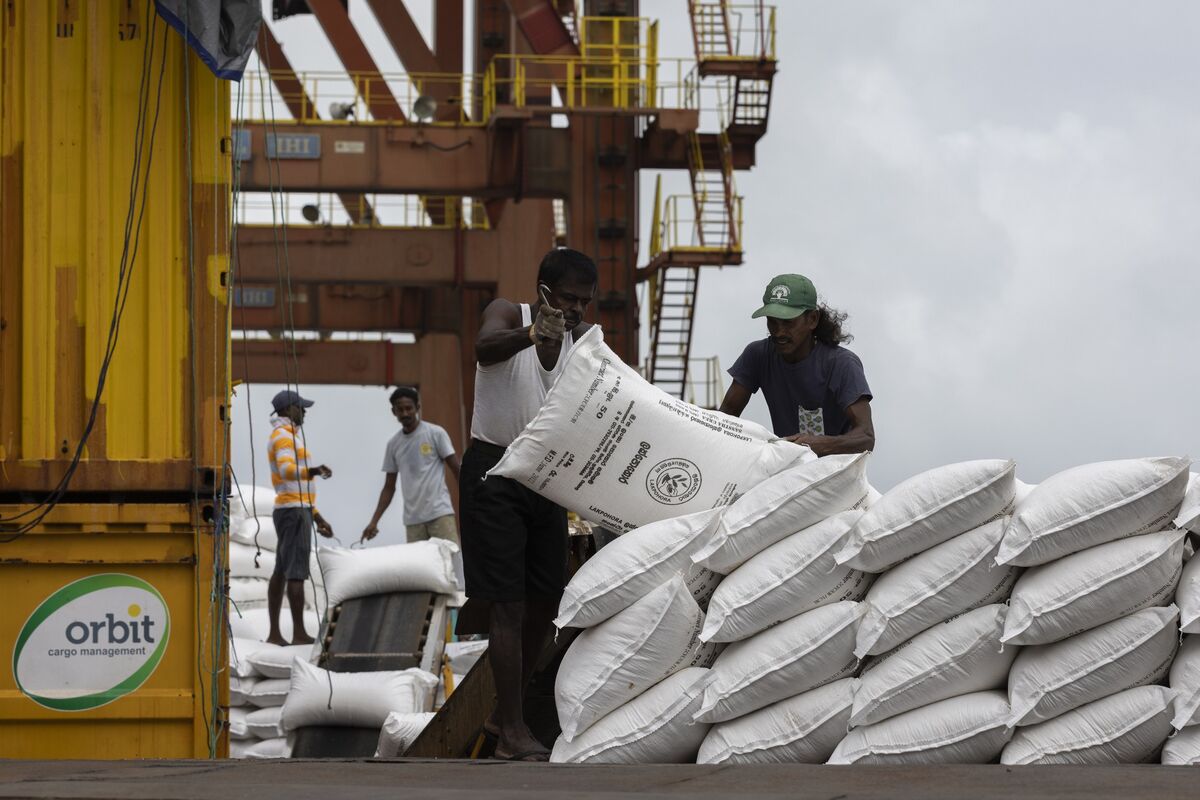
The conflict in Iran is particularly alarming due to the country's significant role in global energy markets. Iran's capacity to influence oil prices and supplies poses a threat not only to energy security but also to global economic stability. Fluctuations in oil prices could result from any escalation in hostilities, impacting economies worldwide that rely heavily on energy imports.
Broader Economic Implications
According to reports, the IMF is closely monitoring the situation in Iran as it unfolds. The organization highlights the interconnected nature of global economies, where regional conflicts can result in unforeseen consequences that ripple across international markets. Analysts assert that if the conflict escalates, it could hinder trade flows and increase commodity prices, further straining economies that are already vulnerable.
Geopolitical Context
As the tensions surrounding Iran continue to evolve, the IMF has underscored the need for concerted efforts to maintain economic stability. The discussions among IMF members reflect a cautious approach to navigating the complexities of geopolitical conflicts and their potential impact on global growth.
Popular news
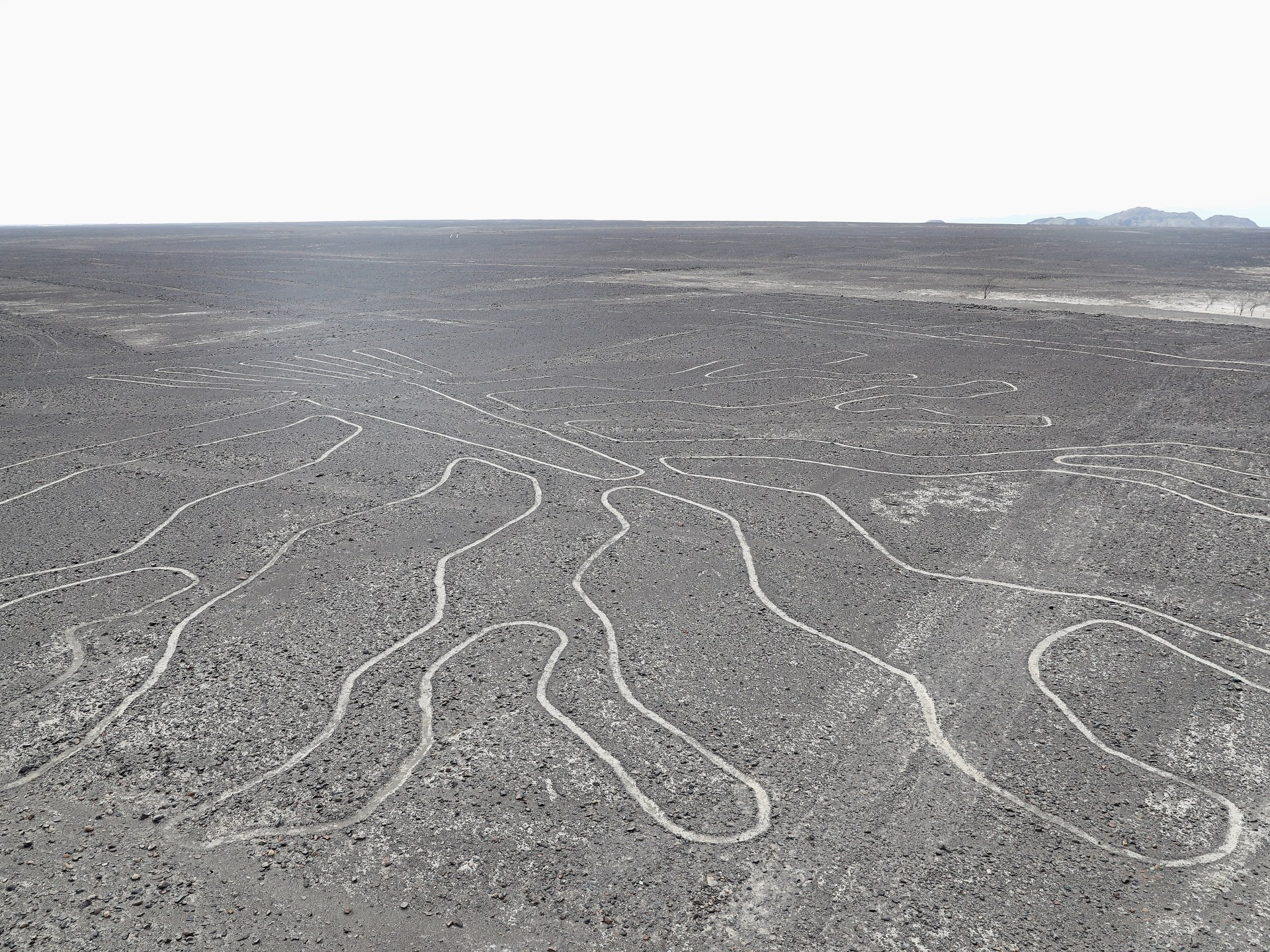
A small plane crash while touring the Nazca Lines in Peru has resulted in 13 fatalities, including tourists and crew.



Subscribe to
our news
Get the most important updates and top stories in your inbox.