




 Technology02 Jun 2026
Internal Struggles Emerge in Trump Administration Over AI Regulation
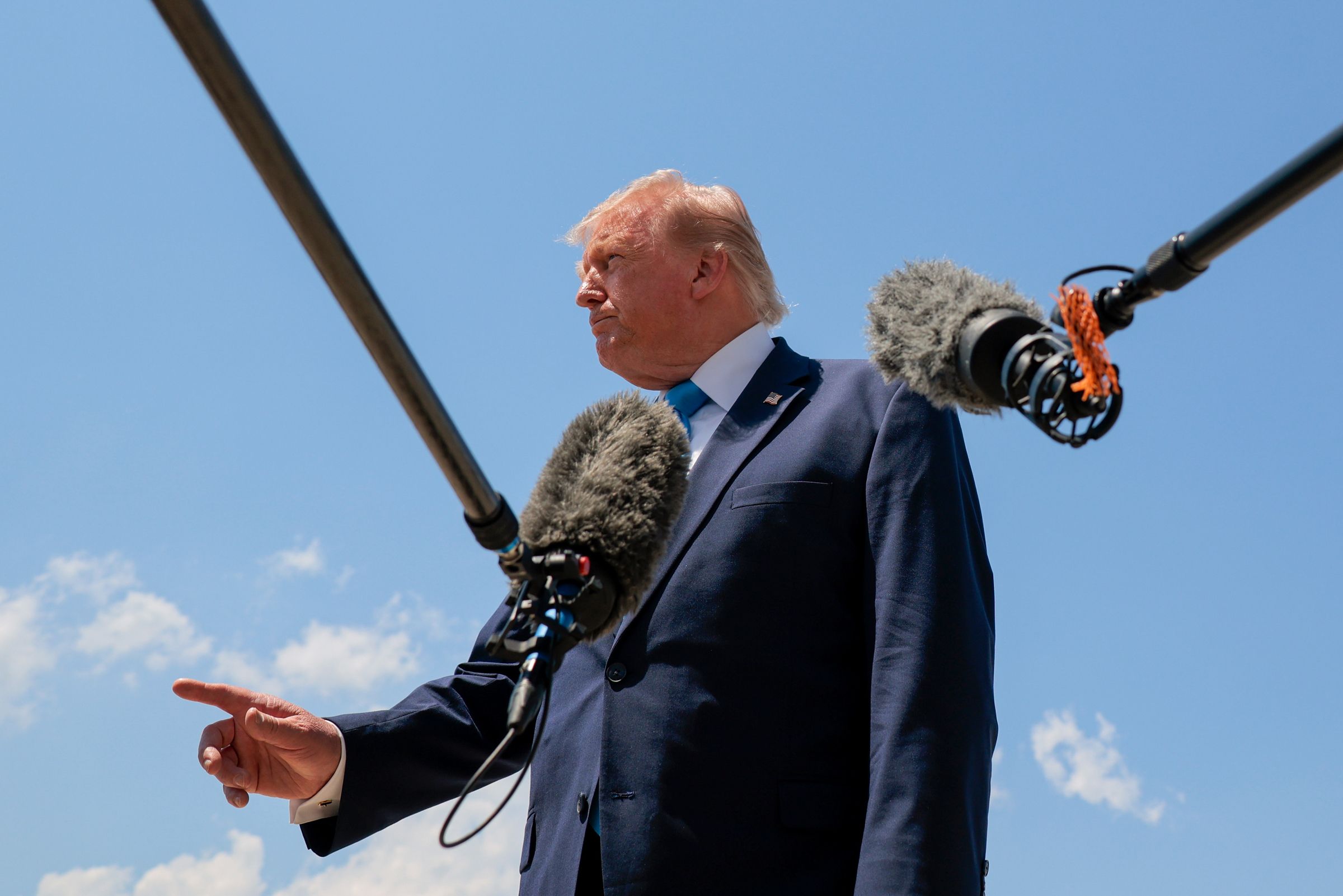
The Trump administration is divided over a new AI regulation executive order, as key officials clash on its necessity and potential impact.
Internal Conflict Over AI Regulation in the Trump Administration
The Trump administration is currently engulfed in a significant internal dispute regarding the potential resurrection of an executive order aimed at regulating artificial intelligence (AI). This contentious issue arises following President Donald Trump’s abrupt cancellation of the order last month, which he justified by citing concerns over maintaining competitive advantages in AI against China.
A Chaotic Landscape for AI Regulation
Insider accounts reveal that discussions in the weeks following the order's cancellation have been chaotically perceived by both Silicon Valley executives and White House officials. Some AI industry leaders have expressed confusion about what a revised executive order might entail or whether it will be implemented at all. On May 21, Trump unexpectedly called off a signing ceremony for the order, stating it could impede domestic competition and diminish the U.S.'s strategic edge in the global AI landscape.
The initially proposed executive order included a controversial provision that would require AI labs—such as OpenAI and Anthropic—to provide the White House early access to their models prior to public release. This proposal reflects a growing recognition within the administration that AI advancements are not merely technological developments but increasingly national security concerns, due to the capabilities enabled by models like Anthropic's Mythos and OpenAI's GPT-5.5.
Diverging Opinions Among Officials
The push for a revised executive order highlights a dichotomy within the administration. Treasury Secretary Scott Bessent has emerged as a proponent of the executive effort, actively engaging with AI leaders to navigate the regulatory landscape. His involvement signifies a shift towards a more structured approach to AI, potentially leading to negotiations on cross-border AI regulations with China.
Conversely, former AI czar David Sacks has voiced strong opposition to the proposed regulatory framework, arguing that it could stifle innovation. He successfully persuaded Trump to cancel the executive order just hours before its signing, warning that excessive bureaucracy could hinder America’s ability to compete in the AI race. In a recent statement on social media, Sacks made it clear that he believes overcoming regulation is critical to winning the AI contest with China.
Navigating Internal Friction
Experts from various governmental departments are attempting to navigate these internal contrasts, trying to consolidate support for a regulatory framework that balances innovation with safety. White House Chief of Staff Susie Wiles is leading this charge among officials advocating for the return of the executive order. However, the administration’s ability to reconcile these opinions ultimately depends on Trump’s support, with insiders noting that internal negotiations will matter little if they do not align with the President’s perspective.
In a public statement, White House spokesperson Liz Huston emphasized the administration's commitment to finding a balanced approach to AI regulation while pursuing its broader agenda. Other relevant officials, such as Commerce Secretary Howard Lutnick and the Pentagon, have played minimal roles in the order's formulation, indicating a potential lack of urgency or unified direction in regulatory efforts.
The Future of AI Regulation in the Trump Administration
As the administration continues to grapple with this issue, a senior official remarked on the fluctuating internal dynamics, noting, "We’re back to the drawing board, so everything is still to play for." The future of AI regulatory policy remains uncertain, yet the ongoing discourse underscores the critical nature of these decisions in shaping America's technological future and its competitive stance in the global arena.
Popular news
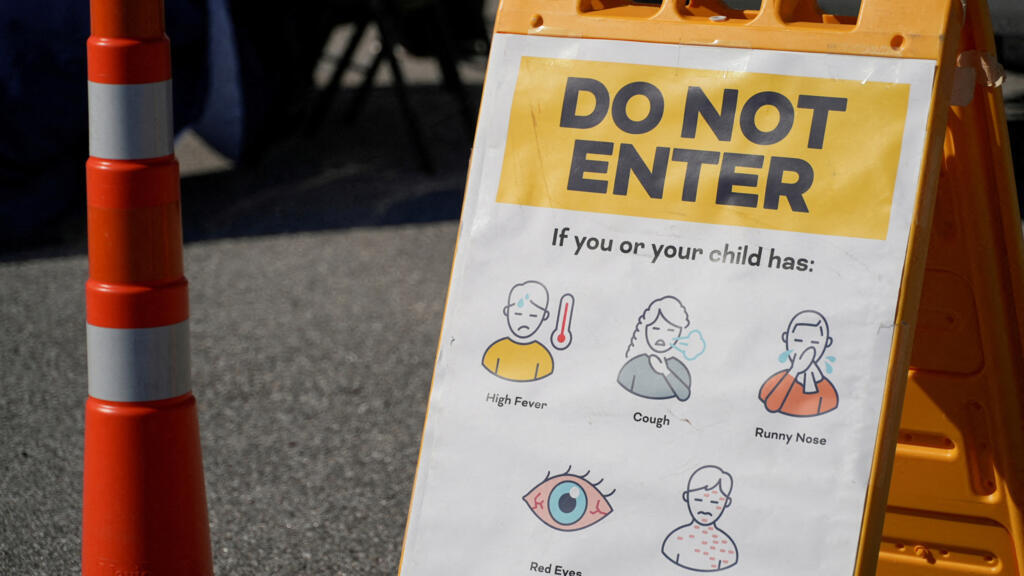
New York has declared a disaster emergency over rising measles cases, especially among under-immunized populations, with 108 confirmed cases.

Subscribe to
our news
Get the most important updates and top stories in your inbox.