





 World15 Apr 2026
Iran Demands $270 Billion in War Compensation Ahead of US Talks
Amid ongoing conflict and negotiations with the US, Iran demands $270 billion in damages for war losses from US and Israeli attacks.
Iran's Demand for Compensation
Iran has formally demanded compensation amounting to $270 billion for losses incurred due to attacks by the United States and Israel on its critical infrastructure. This demand comes as fresh negotiations with the US loom, amidst ongoing regional tensions.
Iranian officials have highlighted that the conflict, which escalated on February 28, has severely damaged both military and civilian facilities, prompting calls for accountability from the involved nations. Tehran’s envoy to the United Nations recently stated that five regional countries must contribute to the compensation based on their alleged roles in enabling these attacks.
Extensive Damages Reported
According to Fatemeh Mohajerani, the spokesperson for the Iranian government, the estimated $270 billion loss encompasses both direct and indirect damages caused by the sustained military actions. While specifics on how these figures were calculated have not been disclosed, she mentioned that discussions regarding compensation were also part of recent talks between Tehran and Washington in Pakistan.
Impact on Infrastructure
The Iranian government is still assessing the extensive damage across various sectors, including oil and gas facilities, petrochemical plants, and essential civilian infrastructure. Major infrastructures such as bridges, ports, railway networks, and educational institutions have been reported as severely affected.
Furthermore, airlines within Iran have suffered crippling losses, with about 60 civilian aircraft grounded, causing significant disruptions in air travel. The Iranian Association of Airlines reported an estimated loss exceeding 300 trillion rials (roughly $190 million) within just over a month of conflict.
Economic Challenges and Internet Shutdown
While the Iranian government seeks reparations, it is concurrently grappling with severe economic challenges. A near-total internet shutdown, affecting over 90 million citizens for several weeks, has aggravated these issues. The shutdown has hindered business operations significantly, with economists estimating potential daily losses of $80 million due to the blackout.
The state's responsibility for this shutdown is in dispute, with authorities attributing control to the Supreme National Security Council. As citizens demand greater internet access, proposals for a tiered internet system are being explored, allowing limited global internet access to select businesses while the general population remains confined to a localized intranet.
Continued Stick to Negotiations
Despite the mounting evidence of damages and economic distress, Iranian officials have indicated a reticence to make significant concessions in the upcoming negotiations regarding contentious issues such as nuclear enrichment. Ebrahim Rezaei, spokesperson for the National Security and Foreign Policy Commission, emphasized that Iran's rights must be recognized, or the country would be ready to resume hostilities.
With Iran dedicating nearly $8 billion for military expenditures in 2024—a figure likely to increase following missile exchanges with Israel in recent months—prospects for economic recovery appear uncertain, especially given the challenges posed by US sanctions and local mismanagement.
The situation remains fluid as Iran continues its demand for compensation while navigating a complex geopolitical landscape marked by escalating tensions and urgent economic needs.
Popular news
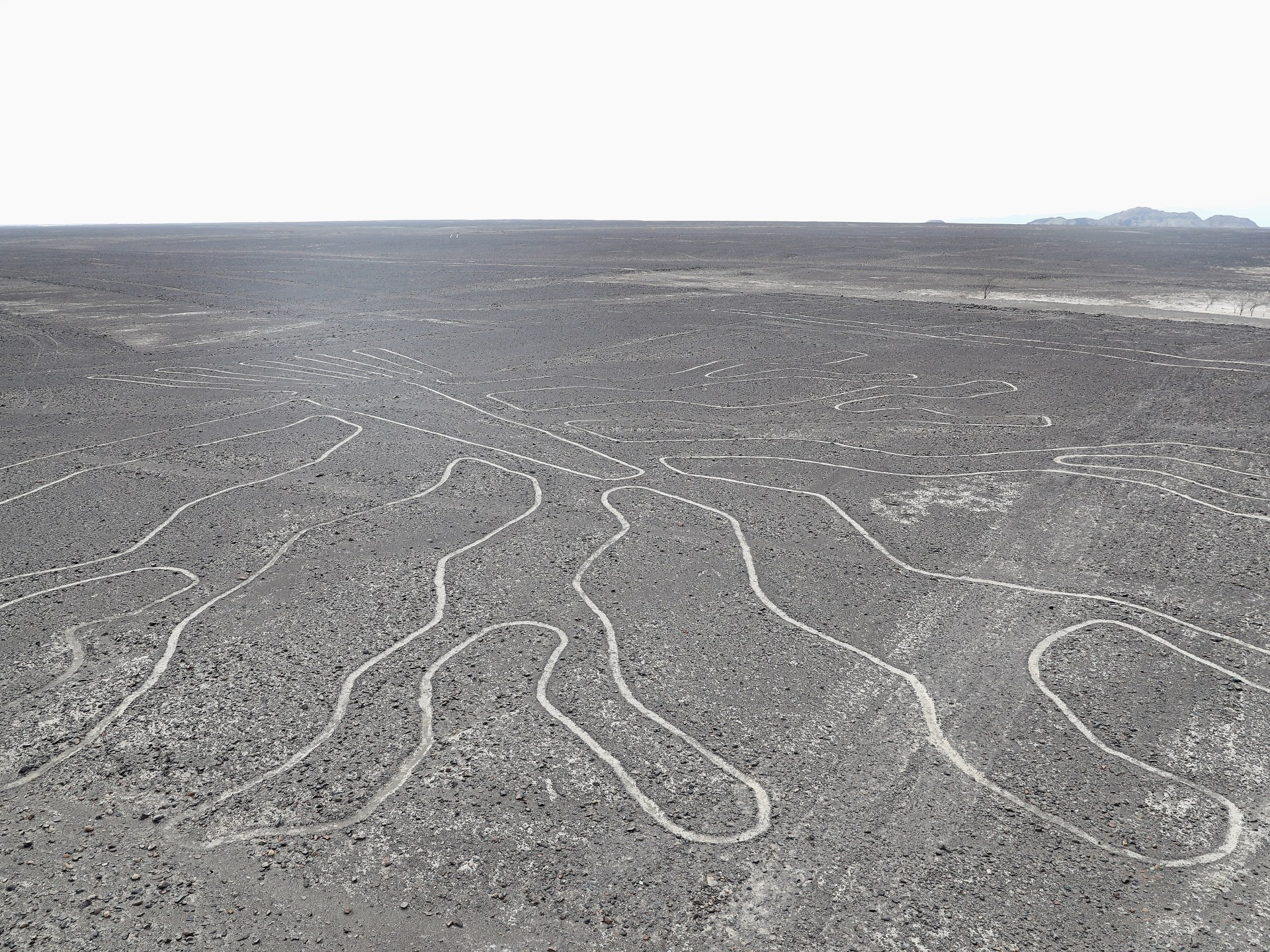
A small plane crash while touring the Nazca Lines in Peru has resulted in 13 fatalities, including tourists and crew.


Subscribe to
our news
Get the most important updates and top stories in your inbox.