




 World15 Apr 2026
Iran Faces Severe Job Losses Amid Ongoing War
The ongoing war in Iran has led to massive job losses, putting millions at risk amidst economic turmoil and widespread insecurity.
Overview of War-Induced Job Losses in Iran
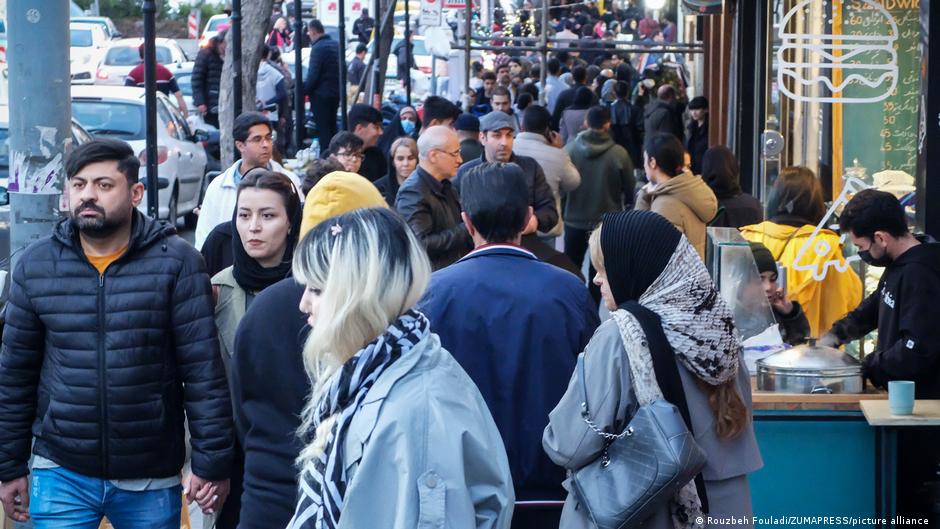
Iran is grappling with a staggering loss of jobs, with estimates suggesting that over 93 million people are currently feeling the adverse effects of ongoing military conflicts. As industrial facilities, particularly in the steel and petrochemical sectors, shut down operations or severely curtail production, tens of thousands of workers have been laid off, and wages are plummeting.
According to Iranian government estimates, damages from the conflict amount to approximately €229 billion, a figure indicative of the war's severe economic toll on the nation. Trade unionist Ismail Abdi describes the detrimental impact of the war on workers, calling attention to the urgent need for peace to avert further economic and social disarray.
Economic Fallout from the Conflict
Industrial Shutdowns
Recent hostilities have rendered many industrial sites inoperative, with the Mobarakeh Steel Company in Isfahan significantly affected after a series of US-Israeli attacks. These strikes have been justified by US and Israeli officials as actions to diminish Iran's military capabilities, especially targeting industries that contribute to military production.
The steel sector, critical to both military and civilian applications, has taken a major hit. Once recognized as one of the top steel-producing nations in 2025, Iran is faced with the disheartening task of rebuilding its industrial foundations under the strains of international sanctions and ongoing warfare. The loss of production translates not only to job cuts—affecting vulnerable contract workers and day laborers—but also to wider economic instability.
Impacts on Labor Market
Reports indicate that more than 10,000 day laborers have been impacted by factory shutdowns. The halted operations have a ripple effect, resulting in additional layoffs across connected businesses that rely on uninterrupted supply chains.
Umud Shokri, an energy strategist, points out that the impacts are not confined to steel; significant disruptions in the petrochemical industry threaten the livelihoods of many, especially in industrial hubs like Asaluyeh and Mahshahr, where tens of thousands stand to lose their jobs.
Increasing Insecurity and Poverty
The Workforce Dilemma
As the war continues, many sectors are witnessing an unprecedented rise in unemployment and insecurity. The Iranian Labour News Agency recently let go of its journalists, transitioning to freelance contracts as companies brace for the financial uncertainty brought by conflict.
The digital services industry is not immune either. Platforms like Snapp, akin to the ride-sharing services, have seen a downturn in business, further propelling individuals into precarity. Trade unionist ISmail Abdi notes the direct correlation between the war, internet restrictions, and reduced employment opportunities, stressing that these conditions are forcing countless workers back into the already fragile job market.
Call for Peace
Despite the challenges, Abdi remains hopeful for political change in Iran but asserts that urgent action is required to end the conflict. He warns of a looming social crisis rooted in poverty and insecurity if the war continues unchecked, urging both Iranian leadership and international powers to reconsider their strategies.
The human toll of the ongoing conflict cannot be overlooked. According to HRANA, a US-based human rights organization, at least 3,636 individuals, including 1,701 civilians, have perished since the onset of hostilities in late February. This burgeoning humanitarian crisis calls into question the priorities of the involved parties, overshadowing the well-being of ordinary citizens.
In conclusion, the intertwined nature of military conflict and economic strife in Iran highlights an urgent issue at the intersection of humanitarian and geopolitical concerns. Until peace is achieved, the path ahead remains fraught with uncertainty for millions in Iran.
Popular news
A small plane crash while touring the Nazca Lines in Peru has resulted in 13 fatalities, including tourists and crew.

Subscribe to
our news
Get the most important updates and top stories in your inbox.