



 World10 May 2026
Iranian Activist Shares Impact of Conflict and Repression on Mental Health
In Tehran, activist Shirin battles PTSD and fear of war amidst escalating repression, revealing a dire mental health crisis in Iran.
Ongoing Trauma Amidst Repression
An Iranian activist, who wishes to remain anonymous and goes by the name Shirin, is grappling with the haunting effects of repression in Tehran. Her life is dominated by anxiety and the remnants of post-traumatic stress disorder (PTSD) developed while living under an oppressive regime that continues to bolster its military might. Shirin's ordeal reflects a broader psychological crisis affecting many Iranians as the political situation worsens.
Fear of War.
Shirin's home has become a stark reminder of her anxiety. Nights are spent listening for the sound of aircraft and the terrifying roar of bombs. Each disturbance sends her body into a panic. "Whenever I hear a disturbing sound, my body reacts involuntarily. The psychological pressure that entered my mind has numbed this part of my left hand. It doesn't work. I still have anxiety that the war might start again, and that is a terrifying thing," Shirin confessed.
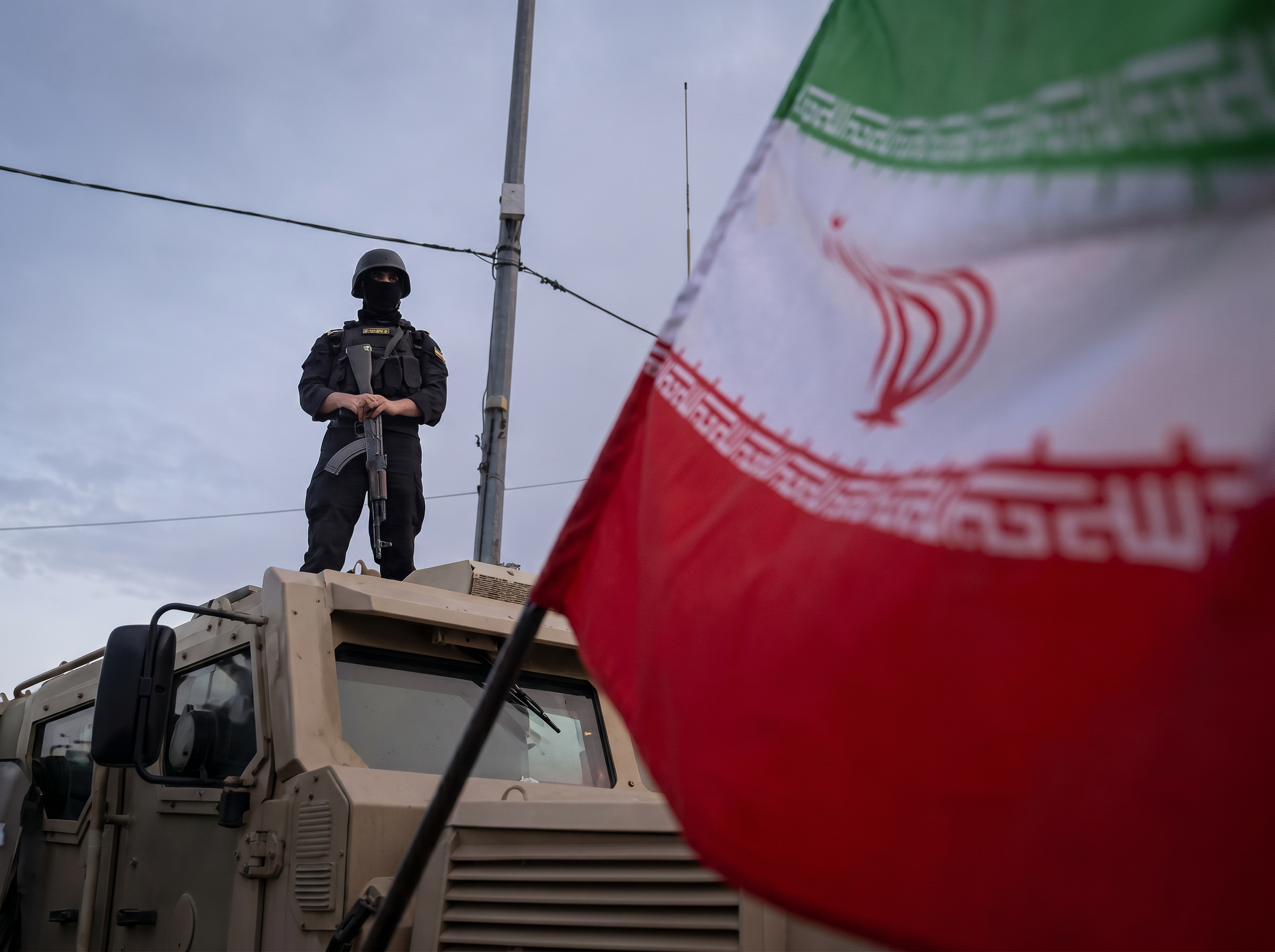
As the regime executes displays of force, including military parades showcasing women in vehicles armed with heavy weaponry, she is gripped by a debilitating sense of helplessness. “Things have happened that we could do nothing about — for example, the execution of those arrested during the January uprising. We have now lost the streets,” she lamented. The fear of state violence and ever-present dread have become commonplace in her life.
The Weight of Arrest and Repression
Shirin's past experiences have only intensified her current emotions. She recalls a fateful day in 2024 when she was arrested while speaking to her mother. The secret police confronted her on the street, leaving her terrified and marked by the looming implication of such encounters.
"Are you Mrs…?" the officer inquired. With a sense of resignation, she acknowledged her identity and briskly ended her phone conversation. Moments later, she was forcefully taken into custody. “When you've been confronted once, the fear never goes away,” she said, emphasizing the ongoing threat of arrest.
After her release, Shirin had to sign a statement agreeing to silence for two months, a compromise born out of fear of further detention. But the landscape of dissent had worsened; today, such options are often stripped away. According to Human Rights Watch (HRW), an alarming number of detainees have faced extreme human rights violations, serious injuries, and even death since the recent protests began.
The Mental Health Crisis
In recent months, the Iranian mental health crisis has escalated dramatically, exacerbated by the ongoing conflict. The Iranian Red Crescent has reported tens of thousands of distress calls following bouts of bombing, leaving an already overburdened healthcare system struggling to cope. Shirin lost her job due to her political activities, facing repercussions from colleagues who blamed activists for military actions against Iran.
Even with the stakes so high, Shirin's opposition to the regime remains unwavering. She expresses a conflicted stance on the war: “I was very happy when the regime's military personnel were killed. But when civilians were killed, I fell apart … a one-year-old child lost his mother. That affected me deeply.” Her heartache reflects the complex emotions many experience in times of conflict and state repression.
Popular news
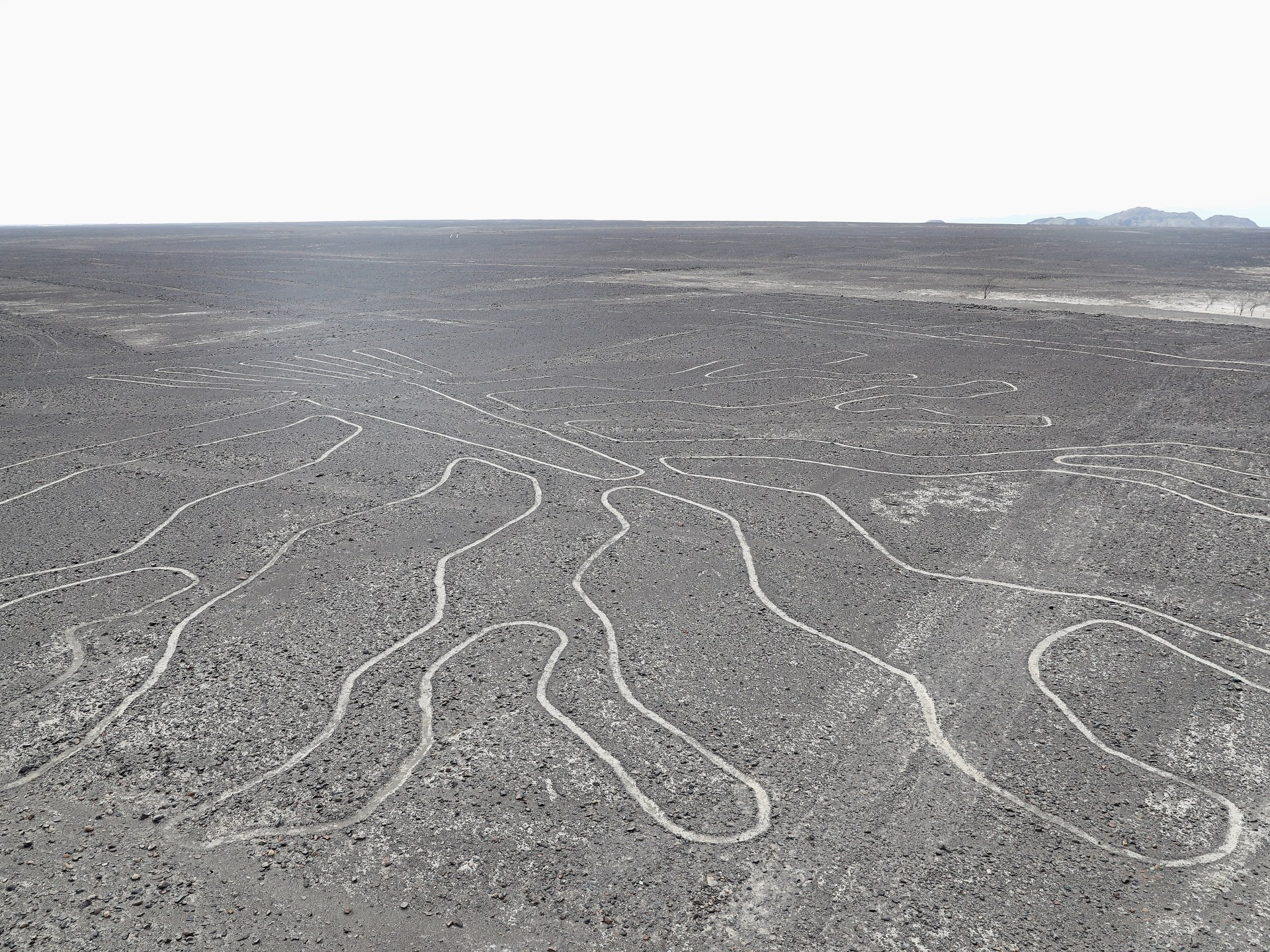
A small plane crash while touring the Nazca Lines in Peru has resulted in 13 fatalities, including tourists and crew.
Subscribe to
our news
Get the most important updates and top stories in your inbox.