




 World20 Apr 2026
Israel Commemorates Memorial Day Amid Palestinian Exclusion
Israel's Memorial Day remembers its war dead but overlooks the Palestinian perspective, drawing criticism amid rising far-right politics.
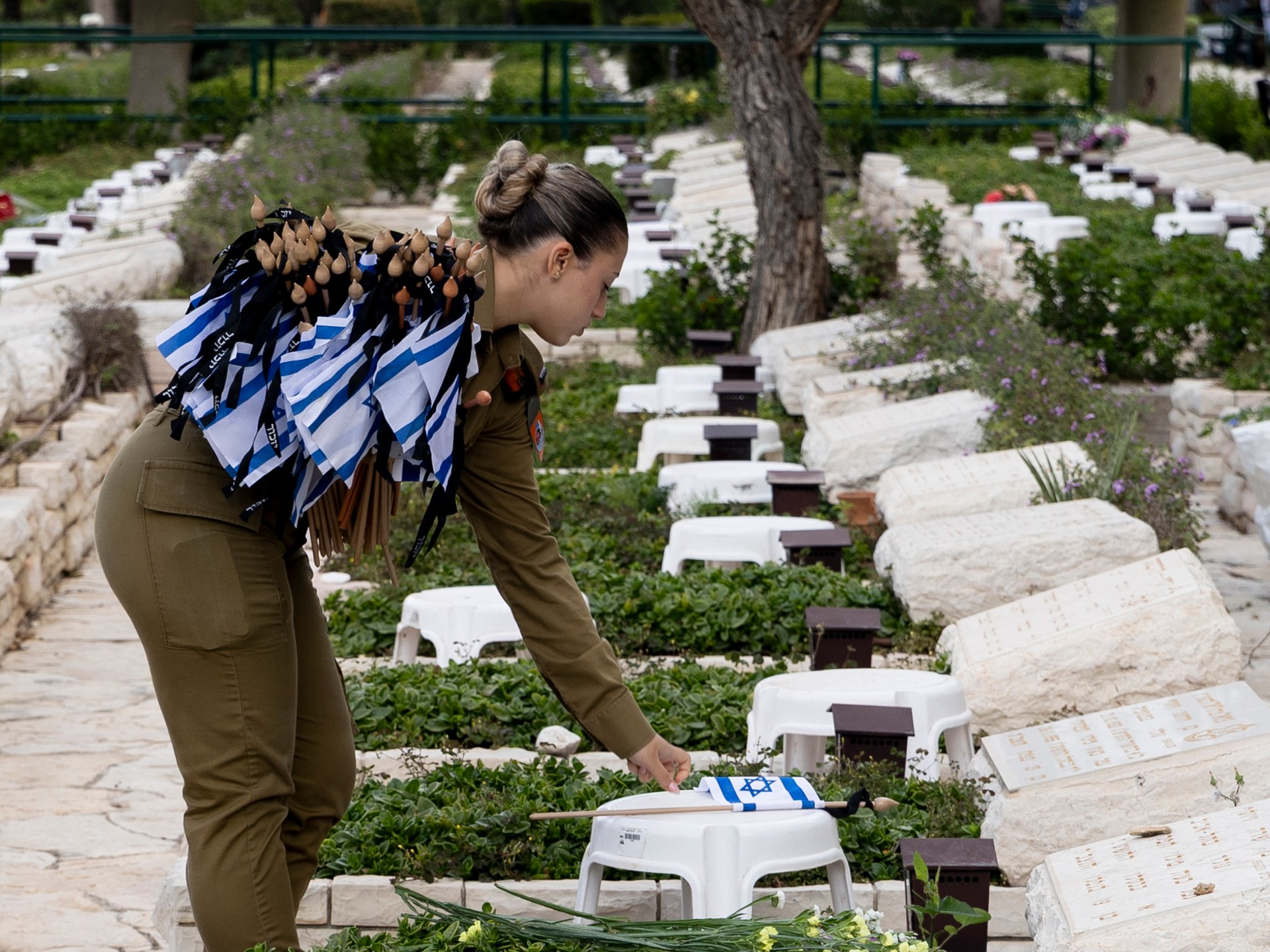
Memorial Day in Israel: A Solemn Occasion with Controversial Undertones
As the siren sounds at 8 PM on April 20, Israel begins its annual observance of Memorial Day, honoring the memories of soldiers and civilians who lost their lives since the establishment of the first Jewish settlements in Palestine in 1860. This year, the memorial acknowledges the names of 25,644 soldiers and 5,313 civilians while omitting the vast toll of Palestinian lives lost over the same period.
A One-Sided Narrative
Critics of the observance argue that it perpetuates a narrative of sacrifice that is exclusively Israeli, sidelining the historical pain felt by Palestinians, who view this period as a commemoration of the Nakba. The term Nakba translates to 'catastrophe', referring to the mass displacement of Palestinians that coincided with the establishment of the State of Israel in 1948. The stark difference in remembrance has fueled tensions, as activists strive to integrate memorials for both Israelis and Palestinians.
Recent years have seen a politicization of Memorial Day that many attribute to rising far-right ideology in Israel. According to critics, the event increasingly reinforces a nationalist perspective that dismisses Palestinian experiences of loss and suffering.
One of the Jewish activists, Allon Rivner, shared his struggle as a young Israeli trying to speak about Palestinian deaths during the commemoration, stating, "There’s an expectation that the day should only be about the Israeli dead, so people don’t like it when you try to talk about Palestinians."
Resistance to Dual Narratives
Annual attempts to acknowledge Palestinian casualties on Memorial Day face substantial resistance. Israeli authorities have historically limited joint memorial ceremonies, and this year, the event has been pushed primarily online due to threats against participants. Activist Hassan Jabareen, founder of the Palestinian legal organization Adalah, emphasized the stark contrast in perceptions, noting, "For Palestinians, this day is a tragedy. This is why we have a very different vision of it."
Amid these discussions, Israeli Prime Minister Benjamin Netanyahu framed last year's events around the October 7 attack by Hamas, which resulted in the deaths of 1,139 Israelis, neglecting the estimated 72,000 Palestinians who died in the response. This selective remembrance has drawn criticisms from opponents of the Israeli government's current policies.
A Troubling Shift in Politics
As the political landscape in Israel shifts, far-right figures like Finance Minister Bezalel Smotrich make alarming statements regarding military actions and demographics of the region. During a speech in the occupied West Bank, Smotrich indicated that the conflict would only cease when significant displacements of Palestinians occur.
This wave of nationalism runs counter to the efforts of groups advocating for recognition of both Israeli and Palestinian sacrifices, as expressed by Nimrod Flashenberg, a spokesperson for Mesarvot. He noted, “It’s been getting more right-wing and more political since the current coalition came to power in 2022.”
The Need for Acknowledgment
The exclusion of Palestinian narratives on Memorial Day reveals an entrenched challenge in the Israeli-Palestinian conflict—one that is further complicated by the rise of extreme nationalist factions within Israel. As these groups continue to hold sway over government policy, the hope for mutual recognition and healing through shared remembrance seems increasingly distant.
While Israelis mourn their losses, the Palestinians remember their struggle. Finding common ground in such a fraught context remains an uphill battle, underscoring the complicated legacy of commemorative days in fractured societies.
Efforts to bridge the gap between the two narratives will require not only acceptance and acknowledgment but also a fundamental shift in how both communities view their histories and the interwoven futures they share.
Popular news
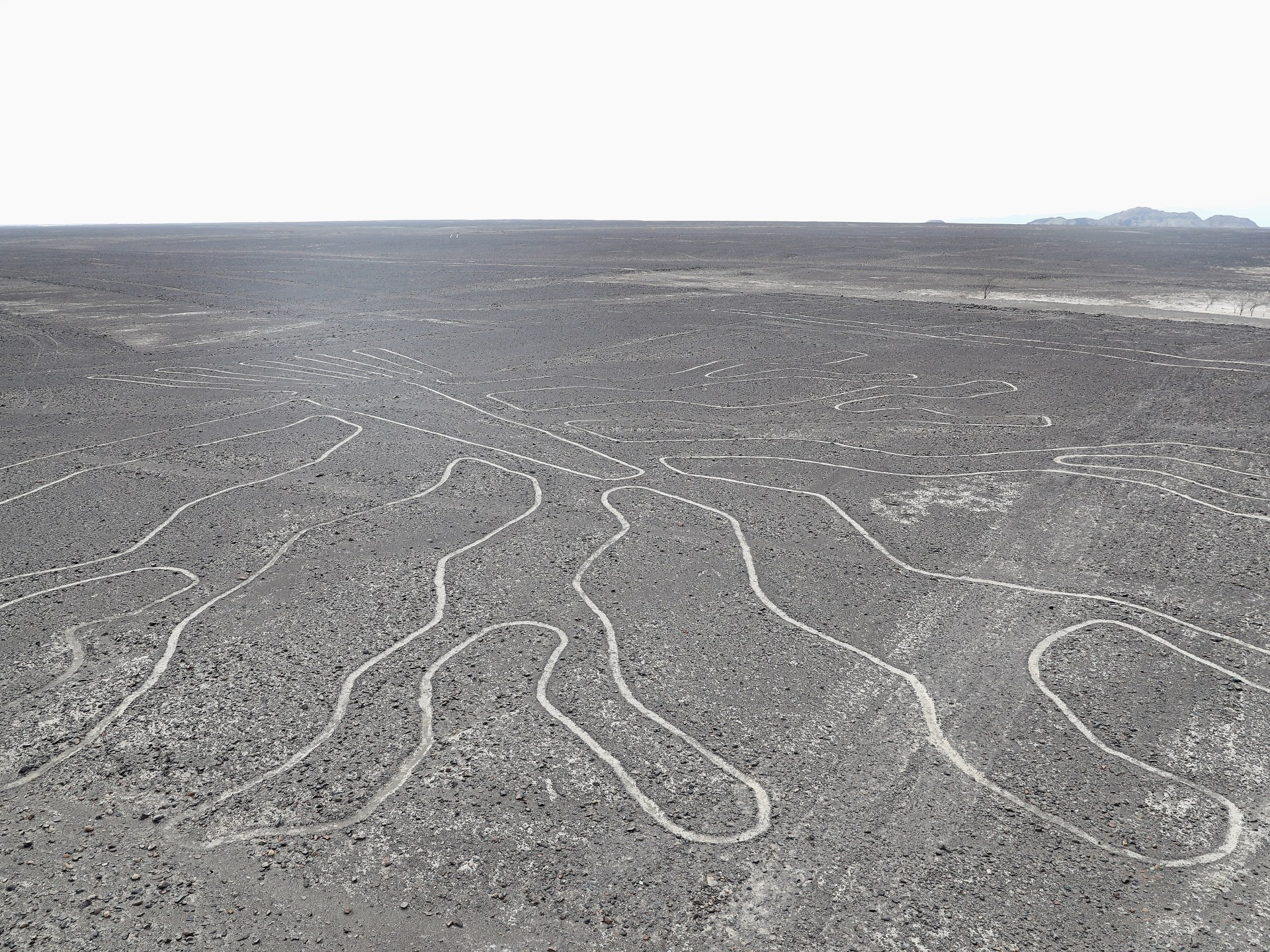
A small plane crash while touring the Nazca Lines in Peru has resulted in 13 fatalities, including tourists and crew.
Subscribe to
our news
Get the most important updates and top stories in your inbox.